What Is Industrial Process Automation and How Does It Work?
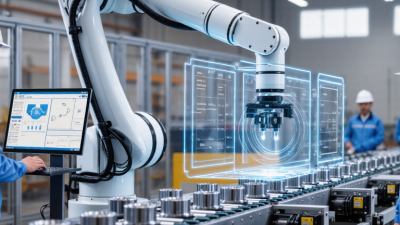
Industrial process automation connects sensors, controllers, software, and machines to manage production with greater consistency. It appears in refineries, food plants, water facilities, and pharmaceutical factories. A temperature sensor may detect rising heat inside a reactor. A programmable logic controller then compares that reading with a defined setpoint. The system can adjust a valve, slow a pump, or stop a line within seconds.
The principle is simple. Measure the process, make a decision, and act. The reality is harder. Industrial process automation must handle vibration, dust, network delays, aging equipment, and human judgment. A dashboard can show green indicators while a blocked filter quietly reduces output. That detail matters.
Bill Gates described the wider business lesson clearly: “The first rule of any technology used in a business is that automation applied to an efficient operation will magnify the efficiency.” His warning continues with a second point: automation also magnifies inefficiency. That idea applies directly to industrial environments. Automating a poorly designed process does not remove waste. It can repeat waste faster.
This article explains how industrial process automation works across sensors, PLCs, distributed control systems, SCADA platforms, and actuators. It also considers safety, maintenance, data quality, and cybersecurity. The technology can reduce manual exposure and improve product consistency. However, it is not a magic switch. Skilled operators still interpret unusual sounds, unstable readings, and conditions that software may miss. The strongest systems combine reliable engineering with practical experience, continuous testing, and honest review.
Definition and Scope of Industrial Process Automation
Industrial process automation is the coordinated use of sensors, control systems, software, and machines to monitor and regulate industrial operations. Its scope extends beyond replacing manual work. It includes measurement, control logic, production supervision, quality tracking, maintenance, safety, and energy management. In a typical plant, sensors detect temperature, pressure, flow, or vibration. Controllers interpret these signals and adjust valves, motors, or heaters within milliseconds.
The system usually operates in layers. Field devices collect data. Programmable controllers or distributed control systems process it. Supervisory software displays trends and alarms, while manufacturing systems connect production data with planning and maintenance. The International Federation of Robotics reported 541,302 industrial robots were installed worldwide in 2023. That figure shows automation’s industrial scale, although robotics represents only one part of the wider process automation field.
Automation also changes how people work. Operators increasingly investigate abnormal conditions instead of repeating routine actions. The World Economic Forum’s Future of Jobs Report 2023 found that 86% of surveyed employers expected information-processing technologies, including artificial intelligence, to transform their businesses by 2027. Still, automation is not automatically intelligent. A poorly calibrated sensor can produce confident but false decisions. Legacy equipment may also resist integration. Practical deployment requires validated data, cybersecurity controls, clear safety procedures, and skilled human oversight. The difficult part is often not installing technology. It is understanding the process well enough to automate the right decisions.
Core Components of an Automated Industrial Process
Industrial process automation connects machines, software, and people to control production with less manual intervention. Its core components work as one operating system for a physical process.
Sensors measure temperature, pressure, flow, level, speed, and vibration. They act like the process’s eyes and ears. A programmable controller receives these signals and compares them with configured targets. If a tank becomes too full, the controller can reduce an inlet valve or stop a pump. The decision happens within milliseconds. Timing matters.
Actuators perform the physical action. They may open valves, adjust motors, move cylinders, or regulate heaters. Human-machine interfaces display live readings, alarms, and production status. Supervisory software stores trends and event records, helping technicians investigate unusual behavior instead of guessing. Industrial networks carry these signals between field devices, controllers, and monitoring stations. A delayed or damaged connection can create misleading information.
Safety systems operate independently when necessary. They can stop equipment after excessive pressure, heat, or movement. Reliable automation also requires calibration, access control, backup procedures, and routine testing. In my experience, a clean screen does not prove a healthy process. One drifting sensor can quietly distort every decision. Alarm settings also need review; too many warnings teach operators to ignore them. The most effective system leaves clear records, supports human judgment, and remains understandable during a stressful maintenance shift.
How Industrial Automation Systems Operate Step by Step
What Is Industrial Process Automation and How Does It Work?
How Industrial Automation Systems Operate Step by Step
Industrial process automation connects sensors, controllers, software, and machines. Its purpose is to manage production with consistent timing and measurable results. The system starts when field sensors detect conditions such as temperature, pressure, flow, or liquid level. A temperature probe may report 80°C inside a heated vessel. Signals travel to a controller through industrial communication networks. The controller compares each reading with a programmed target. It then calculates the required response. Small delays matter.
The controller sends commands to actuators, including valves, pumps, motors, or heaters. A valve may open gradually when pressure falls below its safe operating range. Feedback returns from the equipment and confirms whether the action worked. This repeating loop keeps the process close to its intended condition. Operators watch trends on a control screen, while alarms identify abnormal readings. Critical actions may require a human approval. Automation reduces routine workload, but it does not remove responsibility.
In practice, the sequence is rarely perfect. Sensors can drift, cables can loosen, and process materials can behave differently than expected. Experienced engineers verify calibration, test alarm responses, and review maintenance records. They also use documented risk assessments and controlled software changes. A missed calibration can produce confident but inaccurate data. That weakness deserves attention. Reliable systems need clear procedures, trained operators, backup plans, and regular functional testing. Even a well-designed process requires careful observation during commissioning and daily operation.
Major Technologies Used in Industrial Process Automation
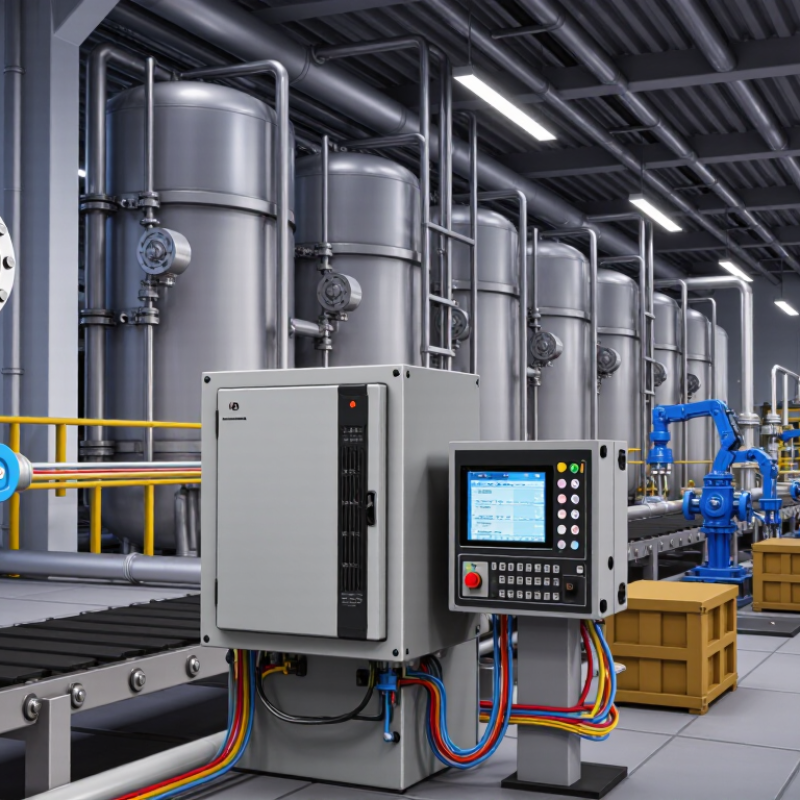
Industrial process automation uses digital systems to control repeated operations with limited manual intervention. In a water treatment room, sensors measure flow, pressure, temperature, and chemical levels. Controllers compare these readings with target values. They then adjust pumps, valves, or heaters within seconds.
Programmable logic controllers manage fast, local actions, such as stopping a motor during overload. Distributed control systems coordinate larger processes across several production areas. Supervisory control and data acquisition platforms display trends, alarms, and equipment status for operators. Clear screens matter. A confusing alarm can delay a safe response.
Modern plants also use industrial networks, edge computers, and connected sensors. Edge devices process data near the machine, reducing communication delays. Cloud platforms can support maintenance analysis, but critical controls should not depend entirely on remote access. Safety instrumented systems provide an independent layer for dangerous conditions. Cybersecurity adds user authentication, network separation, and continuous monitoring.
In practical commissioning work, small details often decide performance. A poorly placed temperature sensor can create unstable control. A loose cable can produce false alarms. No system is perfect. Engineers must test failure scenarios, record calibration results, and question unusual data. Machine learning may predict wear, yet experienced technicians still inspect vibration, noise, and heat by hand. Human judgment remains necessary, especially when process conditions change faster than historical data.
Industrial Applications, Benefits, and Operational Challenges
Industrial process automation uses sensors, controllers, software, and actuators to manage production with limited manual intervention. Sensors measure temperature, pressure, flow, and vibration. A controller compares these readings with operating targets. It then adjusts valves, motors, pumps, or heating systems. In chemical processing, automation can maintain a stable reaction temperature within a narrow range. In food production, it can coordinate filling, sealing, cleaning, and inspection equipment.
The benefits are practical. Automated control improves repeatability and reduces exposure to heat, chemicals, noise, and moving machinery. It also creates operating records that help engineers identify energy waste or unusual equipment behavior. Faster alarms can protect products and prevent small faults from becoming costly shutdowns. However, automation does not remove responsibility. Poorly calibrated sensors can produce confident but inaccurate decisions. An elegant control screen cannot repair a blocked valve.
Operational challenges often appear during integration. Older machines may use incompatible communication methods. New systems also require careful cybersecurity controls, access management, backup procedures, and tested recovery plans. Workers need training that combines process knowledge with basic control-system skills. During commissioning, teams should test normal conditions, sensor failures, power interruptions, and emergency stops. The difficult part is often not installation. It is deciding which decisions should remain with people. Over-automation can hide changing process conditions, while under-automation leaves operators overloaded. A practical design allows human intervention, records each change, and receives regular review as production requirements evolve.