2026 Best Industrial Automation Equipment Suppliers?
Industrial automation equipment is moving from a specialist purchase to a strategic manufacturing decision. Sensors, programmable logic controllers, robotic arms, vision systems, and motion drives now shape factory productivity. The best supplier is not always the largest one. Integration quality matters on the production floor.
The International Federation of Robotics reported 541,302 industrial robots were installed worldwide in 2023. Its World Robotics 2024 report also recorded approximately 4.28 million robots operating globally. IFR President Marina Bill stated, “The global robot installations have more than doubled over the past 10 years.” That growth signals strong demand, but it does not guarantee successful investment. A poorly integrated robot can stand beside an idle conveyor, consuming capital without improving output.
Deloitte’s 2024 Smart Manufacturing and Operations Survey found that 86% of surveyed manufacturers expect smart manufacturing investment to remain a major competitiveness driver. The finding supports supplier comparison beyond product price. Buyers should examine cybersecurity controls, safety certifications, spare-parts access, software compatibility, training, and local service response. A factory manager needs answers beside the machine, not only in a sales presentation.
Some promises are too polished. Energy savings may depend on workload, maintenance, and operator discipline. Artificial intelligence can improve inspection, yet weak data can reduce its value. This 2026 guide evaluates leading industrial automation equipment suppliers through measurable capability, implementation experience, technical authority, and customer reliability. It also recognizes an uncomfortable truth: no supplier fits every plant. The right choice depends on process complexity, workforce skills, expansion plans, and the cost of downtime.
What Is Industrial Automation Equipment?
Industrial automation equipment is the hardware and software used to control production with limited manual intervention. It includes sensors, programmable controllers, industrial computers, robotic systems, motor drives, safety devices, and human-machine interfaces. These components work together to measure conditions, make decisions, and operate machinery.
A sensor may detect a bottle’s position on a conveyor within milliseconds. The controller then sends instructions to a motor, valve, or robotic arm. Operators can monitor speed, temperature, alarms, and production counts through a control panel. In a packaging line, this coordination can reduce repetitive work and improve consistency. It can also reveal stoppages that are difficult to notice during a busy shift.
Reliable automation equipment needs more than impressive specifications. Engineers should check operating temperature, electrical compatibility, communication protocols, maintenance access, and spare-part availability. Safety functions must match the machine’s actual risks. A supplier should provide clear documentation, testing records, training, and responsive technical support. Field experience matters here. A system that works perfectly in a showroom may struggle with dust, vibration, or unstable power on a factory floor.
Automation is not magic.
Poorly calibrated sensors create false alarms. Inadequate training can also turn a capable system into an expensive obstacle. During selection, teams should examine real production data and test critical functions before full installation. Even experienced engineers sometimes underestimate cleaning time, network delays, or future expansion needs. That uncertainty deserves honest attention.
Which Types of Automation Equipment Do Suppliers Provide?
2026 Best Industrial Automation Equipment Suppliers?
Industrial automation suppliers provide more than standalone machines. Their catalogs commonly include programmable logic controllers, industrial computers, human-machine interfaces, sensors, variable-frequency drives, servo motors, and control cabinets. These components manage temperature, pressure, speed, position, and production timing on factory floors.
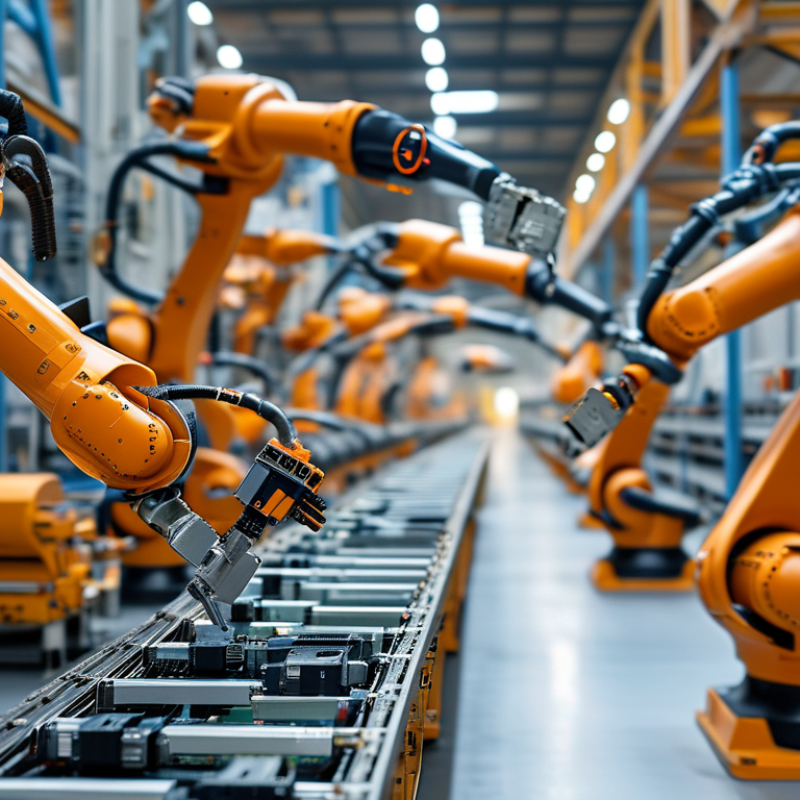
Many suppliers also provide robotic arms, collaborative robots, conveyors, palletizers, and automated storage equipment. Machine vision systems inspect labels, dimensions, surface defects, and assembly accuracy. Safety equipment can include light curtains, interlocking switches, emergency stop devices, and safety controllers. A dependable supplier should explain how each device fits the production process, not simply recommend the most expensive option.
Experienced suppliers often support system design, electrical drawings, programming, installation, commissioning, operator training, and maintenance. They may connect shop-floor equipment with supervisory control systems or manufacturing software. During commissioning, technicians should test sensor response, network stability, alarm logic, and safe stop functions under realistic conditions. Small faults appear there.
No supplier gets every integration right on the first attempt. Cable routing may need revision. A sensor may perform poorly near dust, vibration, or reflective metal. Buyers should request documented specifications, compatibility checks, spare-part plans, warranty terms, and response times for technical support. Independent testing and clear acceptance criteria make supplier claims more reliable.
How Are Industrial Automation Suppliers Evaluated?
Choosing the best industrial automation supplier in 2026 requires more than comparing catalog prices. Evaluation should begin with measurable production results, technical competence, and verifiable customer experience.
The International Federation of Robotics reported 541,302 industrial robots were installed worldwide in 2023, with more than 4.28 million operating globally. This scale makes supplier reliability critical. Ask for documented uptime, mean time to repair, spare-parts availability, and commissioning records. Numbers can mislead. Request evidence from similar factories, not polished presentations.
Integration capability deserves equal attention. A strong supplier should support open communication protocols, secure data transfer, and clear system documentation. Deloitte’s 2024 Smart Manufacturing and Operations Survey found that 86% of executives viewed smart manufacturing as a major competitiveness driver within three years. Suppliers should therefore explain how equipment connects with existing control systems and production software. Cybersecurity testing, access control, software updates, and incident response must be evaluated before installation.
Service quality often decides long-term value. Review technician response times, training arrangements, remote-support limits, and warranty exclusions. Compare total cost of ownership, including energy use, calibration, upgrades, downtime, and disposal. A supplier may offer advanced equipment but lack regional service capacity. That weakness can become expensive quickly. I would also score sustainability claims cautiously, because many proposals provide carbon estimates without transparent calculation methods. Ask for assumptions, test results, and independently reviewable records.
2026 Best Industrial Automation Equipment Suppliers? How Are Industrial Automation Suppliers Evaluated?
A neutral 100-point procurement evaluation framework for comparing industrial automation equipment suppliers. The criteria reflect practical purchasing considerations, including reliability, safety, integration, service, scalability, cybersecurity, and total cost of ownership.
The percentages represent evaluation weights rather than scores for any named company or brand. Actual supplier assessments should be supported by audits, technical testing, certification checks, service-level data, and lifecycle cost analysis.
Who Are the Leading Industrial Automation Equipment Suppliers in 2026?
In 2026, leading industrial automation equipment suppliers are judged by measurable plant results, not impressive demonstrations. The International Federation of Robotics reported 541,302 industrial robots installed worldwide in 2023, a 10% annual increase. This growth raises expectations for reliable robots, controllers, drives, sensors, safety systems, and production software.
The strongest suppliers combine equipment with engineering support. They should provide clear cycle-time data, open communication protocols, cybersecurity updates, spare-parts planning, and local service coverage. A practical evaluation should examine a real control cabinet, alarm history, calibration records, and maintenance response times. The numbers matter. A supplier may promise predictive maintenance, yet provide weak data integration or unclear ownership of machine data.
According to IFR’s World Robotics 2024 report, more than 4.28 million industrial robots were operating globally by the end of 2023. That installed base makes compatibility increasingly important. Suppliers supporting common industrial networks and detailed digital documentation have a practical advantage. The International Energy Agency also identifies efficiency improvements and digital control as important tools for reducing industrial energy demand. However, energy claims need measured production data, not general marketing language. Reality is harsher. Buyers should compare uptime, total operating cost, operator training, and five-year service performance. A lower purchase price can become expensive after repeated stoppages, unavailable components, or difficult software changes. The leading suppliers in 2026 will be those that prove performance under factory conditions and acknowledge where their systems still need improvement.
How Can Businesses Choose the Right Automation Equipment Supplier?
How Can Businesses Choose the Right Automation Equipment Supplier?
Choosing an automation equipment supplier in 2026 requires more than comparing purchase prices. The International Federation of Robotics reported 541,302 industrial robots were installed worldwide in 2023. This scale makes supplier competence increasingly important. Ask for documented cycle-time tests, electrical drawings, safety validation, and service response records. A reliable supplier should explain how equipment performs beside real operators, not only inside a showroom.
Compatibility deserves careful attention. Check communication protocols, spare-part availability, software ownership, and integration with existing machines. Deloitte’s 2024 Smart Manufacturing and Operations Survey found that 86% of manufacturing executives viewed smart manufacturing as a major competitiveness driver. However, digital features can create new maintenance problems. Request a live demonstration using your materials, tooling, and production speed. A polished demo may hide weak performance.
Experience is measurable. Visit an operating customer site when possible, and interview its maintenance team privately. Review training hours, remote-support limits, cybersecurity procedures, and warranty exclusions. The supplier should provide a realistic payback model, including downtime and calibration costs. It should also admit where its system is unsuitable. That honesty matters. A minor concern remains: many buyers still select equipment from optimistic spreadsheets, then discover that operators need simpler controls and more practical training.