Choosing manufacturing automation technology in 2026 requires more than comparing robot prices. It demands evidence, practical experience, and disciplined planning. The International Federation of Robotics reported 541,302 industrial robots installed worldwide in 2023, with more than 4.28 million operating globally. These figures show strong adoption, but they do not identify the right system for every factory.
Look closely. A packaging line may need high-speed vision inspection, while a metalworking cell may need safer collaborative robots. Deloitte’s 2024 Smart Manufacturing and Operations Survey found that 92% of surveyed manufacturers expect smart manufacturing to become a major competitiveness driver within three years. Yet, technology alone cannot repair unclear workflows, weak data, or poorly trained operators. The spreadsheet may look impressive. The shop floor may disagree.
Jeff Burnstein, president of the Association for Advancing Automation, has said, “Robots are not taking jobs; they are changing jobs.” That perspective matters when evaluating labor, safety, maintenance, and workforce development together. A reliable decision should examine return on investment, integration difficulty, cybersecurity, scalability, and supplier support. It should also test the technology on a real production task, with actual cycle times and defect data. No choice is perfect. A pilot can still fail. That failure may be useful if it exposes hidden constraints before a full deployment. This guide explains how to compare automation options, validate vendor claims, and build a 2026 strategy that remains flexible as production volumes, regulations, and customer expectations change.
Automation selection starts with a clear production problem, not an impressive machine. Define the desired result in measurable terms. You may need faster cycle times, fewer defects, safer material handling, or shorter changeovers. That sounds obvious. Yet vague goals often produce expensive systems with limited value. Record the current baseline, including output per shift, labor hours, downtime, scrap rates, and inspection results. These figures create a reliable comparison after implementation.
Production requirements should describe the real factory, not an idealized one. Check product dimensions, weight, variation, packaging, floor space, utilities, and operating temperatures. Include future demand and seasonal changes. A system built only for today may become a constraint next year. In plant assessments, I have seen teams overlook changeover time and maintenance access. Both issues later reduced availability. Ask operators to describe awkward movements, stoppages, and quality concerns. Their experience often reveals requirements hidden in spreadsheets.
Set practical acceptance criteria before testing any solution. Measure throughput, accuracy, uptime, changeover time, energy use, and recovery after faults. Include safety controls, training needs, data traceability, and applicable workplace requirements. A small pilot using representative materials can expose weaknesses early. Early estimates are often wrong. That is useful, if the team records why. Review the results with production, engineering, maintenance, quality, and finance staff. Their priorities may conflict, but ignoring one group usually creates rework. Choose technology only when its performance matches the defined goal and the production environment.
How to Choose Manufacturing Automation Technology in 2026 means comparing capability with operational fit, not chasing the newest system. Fixed automation delivers speed and repeatability for stable, high-volume lines. Collaborative robots suit frequent changeovers and limited floor space, but their payload and cycle speed remain restricted. Autonomous mobile robots improve material movement, while machine vision handles inspection and traceability. According to the International Federation of Robotics’ World Robotics 2024 report, factories installed 541,302 industrial robots in 2023. That figure shows strong demand, but not universal suitability.
Match each option against cycle time, product variation, worker interaction, integration effort, and maintenance skills. A digital twin may expose bottlenecks before installation. Artificial intelligence can detect defects, yet it needs clean data and careful validation. Deloitte’s 2023 Smart Manufacturing and Operations Survey found that 86% of respondents expect smart manufacturing to be a major competitiveness driver within five years. Still, technology does not repair unclear processes. That lesson is easy to overlook.
Tips: Start with one measurable constraint, such as a 12-second inspection cycle or repeated lifting injuries. Pilot the smallest useful cell. Record uptime, changeover minutes, false rejects, and operator training hours. Compare the pilot with manual work, not with marketing promises. Leave room for doubt. The first design may be wrong. Reassess after real production pressure, because laboratory performance often looks cleaner than factory reality.
Choosing manufacturing automation technology in 2026 requires more than comparing speed or return on investment. In plant assessments, I examine how new equipment will connect with existing controllers, production software, and maintenance systems. A capable system should support open interfaces and clear data ownership. Test one production cell before expanding across the factory. Integration problems often appear at shift change.
Data quality matters every day. Sensors should capture useful measurements, not endless noise. Define who can access, edit, and retain production data. Use timestamps, audit trails, and secure network zones. A dashboard may look impressive, yet unreliable data can produce poor scheduling decisions. Keep the architecture understandable. Complexity becomes expensive during maintenance.
Safety comes first. Automation must include documented risk assessments, guarded access points, emergency controls, and safe restart procedures. Requirements should reflect local regulations and the actual working environment. Do not treat cybersecurity as separate from machine safety. A compromised control system can create physical hazards. Workforce readiness is equally practical. Operators need hands-on training with realistic faults, not only classroom slides. Maintenance teams should understand diagnostics and manual recovery. Ask workers where delays really occur. Their answers may challenge the original design. That is useful, although uncomfortable. Some implementation plans will need revision after real shifts expose overlooked conditions. Reserve time for retraining, testing, and feedback before full deployment.
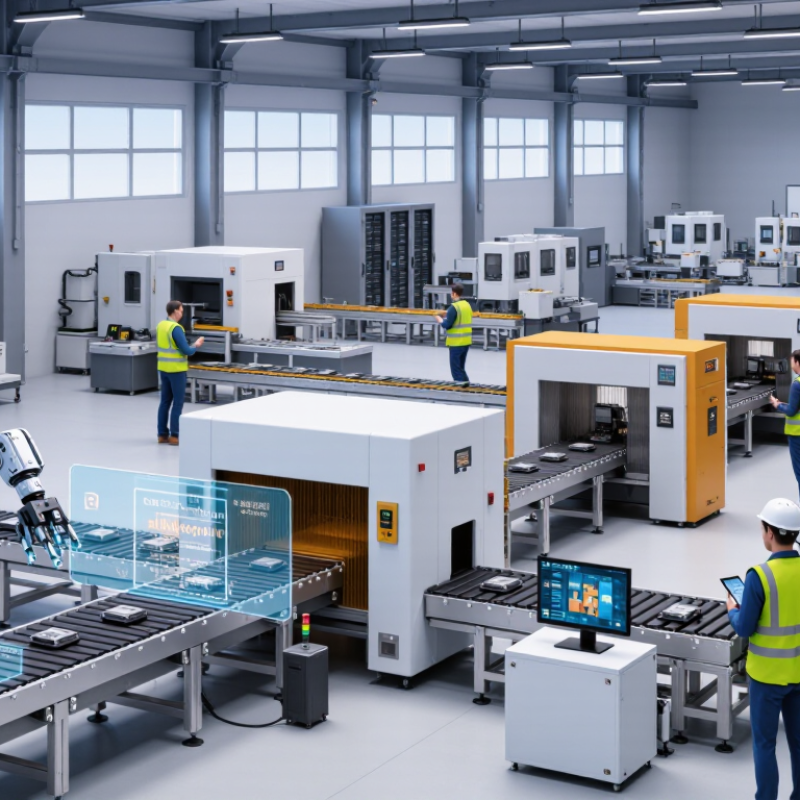
This planning model weights the four decision areas that most affect automation value, deployment risk, and long-term scalability.
Integration: Check compatibility with existing machines, control systems, and production software. Data: Require interoperable data access, traceability, cybersecurity, and clear ownership. Safety: Validate risk assessment, safeguarding, emergency functions, and applicable machinery safety requirements. Workforce: Plan for operator training, maintenance skills, process redesign, and human-machine collaboration.
Choosing manufacturing automation technology in 2026 requires more than comparing purchase prices. Calculate total cost across five years, including equipment, installation, programming, training, maintenance, energy, and production downtime. A system priced 20% lower may become more expensive after frequent service visits or costly integration changes.
Measure expected value with current production data. Record cycle time, labor hours, defect rates, changeover delays, and unplanned stops. Then estimate realistic improvements, not optimistic supplier promises. For example, reducing a 45-second cycle by five seconds may create meaningful annual capacity. However, that value disappears if demand remains flat.
Include payback period, cash flow, and sensitivity tests for lower output. A spreadsheet helps, but its assumptions need regular review.
Tips:
Test one representative process before expanding. Check whether operators can adjust recipes safely and whether technicians can diagnose faults without outside support. Assess scalability through spare inputs, software flexibility, data access, and floor space. Ask for documented performance evidence from comparable environments.
Plan for cybersecurity, worker training, and maintenance access. A small pilot may reveal hidden integration costs. That is useful.
Do not ignore uncomfortable results; automation can expose weak scheduling, poor material flow, or inconsistent quality. Recalculate expected value after the pilot, even when the original business case looks attractive.
Select automation around the bottleneck, not the newest feature. According to the International Federation of Robotics’ World Robotics 2024 report, factories installed 541,302 industrial robots in 2023. That figure signals strong investment, but it does not prove every process needs a robot. Map cycle time, defect causes, operator movement, changeover frequency, and safety exposure. Then compare technologies by measurable fit, including integration effort, maintenance skill requirements, data access, and five-year operating cost. Deloitte’s 2024 Smart Manufacturing and Operations Survey found that 86% of manufacturers expect smart manufacturing to become a major competitiveness driver within five years.
Run a controlled pilot before approving a full rollout. Choose one cell with repeatable work and visible losses. Record baseline output, first-pass yield, downtime, changeover minutes, and training hours. Test the solution during normal shifts, not only in a carefully prepared demonstration. A pilot can still disappoint. That is useful evidence. Review failures with operators, maintenance staff, quality engineers, and cybersecurity specialists. Set stop criteria before testing begins, such as unstable cycle times or excessive manual intervention. A short pilot with honest data often beats an impressive presentation.
Deploy in stages. Standardize work instructions, spare-parts plans, access controls, and escalation routes before expanding. The technology should fit existing workflows without hiding new risks. Track results for 30, 60, and 90 days after launch. Recheck productivity against demand changes, staffing shifts, and product variation. Do not assume early gains will last. Leave room for redesign.
+1 (619) 661-5985
sale@roboticemotion.com
10030 Via de la Amistad San Diego CA 92154, United States
We can supply pre-cut pipes and roller tracks, with the appropriate number of joints and accessories; delivered in kit form as per your specifications.