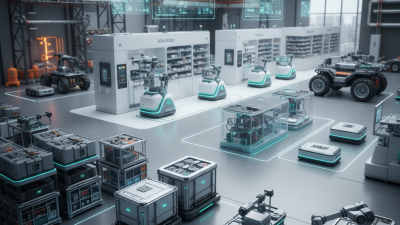
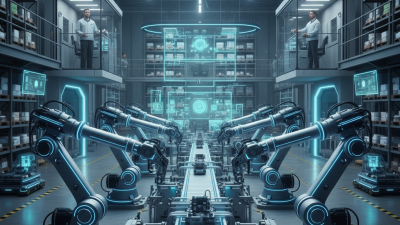
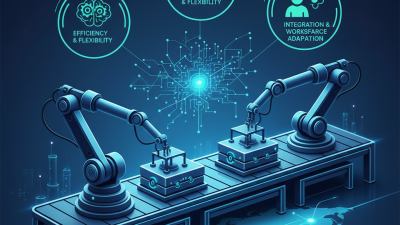
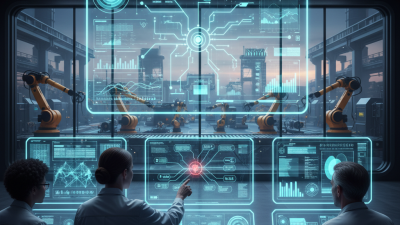
In today's rapidly evolving landscape, autonomous mobile robots (AMRs) are making significant strides across various industries. These robots are transforming logistics, healthcare, and manufacturing. As industry expert Dr. Emily Carter states, "Autonomous mobile robots are not just tools; they are partners in efficiency." This indicates how vital these robots have become in enhancing productivity.
AMRs are designed to perform tasks with minimal human intervention. They navigate complex environments, optimize workflows, and reduce operational costs. For instance, in warehouses, AMRs can move goods swiftly and accurately, significantly cutting down delivery times. However, the implementation of AMRs poses challenges. Integrating these robots into existing systems requires careful planning and adaptability from the workforce.
Despite the advantages, some organizations hesitate to fully embrace this technology. Concerns about maintenance, training, and the potential for job displacement remain. Striking a balance between automation and human roles is necessary. As AMRs continue to advance, addressing these concerns will ensure they serve as beneficial collaborators rather than replace human effort.
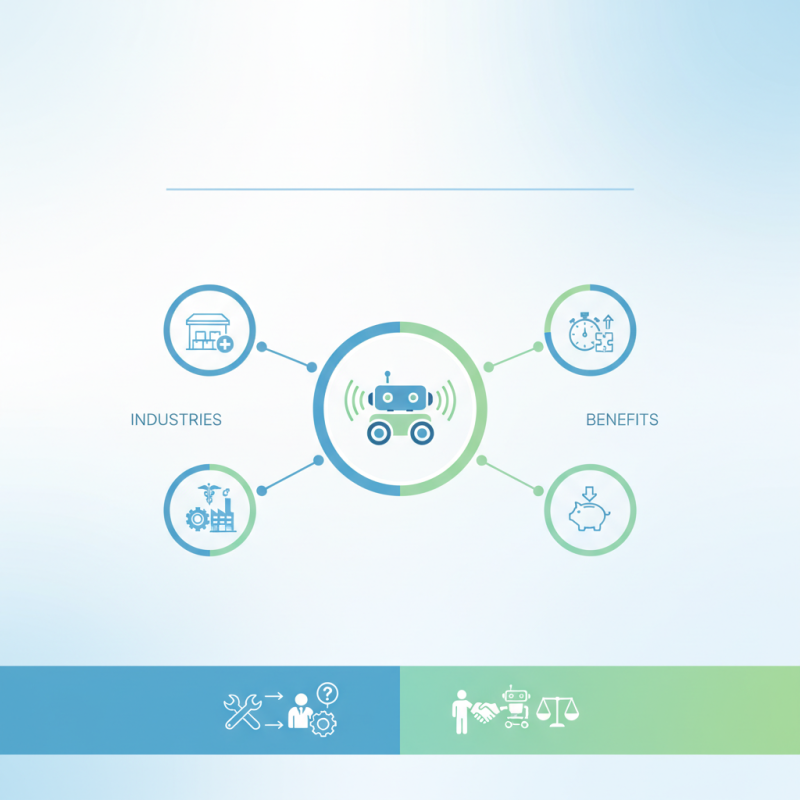
Autonomous Mobile Robots (AMRs) are transforming logistics in significant ways. According to a report by a leading industry research group, the AMR market is expected to reach $30 billion by 2026, growing at a remarkable CAGR of 30%. These robots are enhancing efficiency, reducing operational costs, and improving safety in warehouses and distribution centers.
AMRs can navigate complex environments and adapt to changes, proving vital for logistics. They can operate alongside human workers, which increases productivity. For instance, a recent study indicated that implementing AMRs can lead to a 30% increase in warehouse throughput. However, reliance on technology raises concerns over data safety and system failures. Solutions must prioritize robust cybersecurity measures to avoid breaches or disruptions.
Despite their benefits, some industries remain hesitant. Initial costs and the need for training can deter companies. Transitioning from traditional methods to automation presents challenges. Companies must weigh the advantages against potential obstacles to maximize AMRs' efficacy. Every adoption story highlights the need for tailored solutions, as no one size fits all.
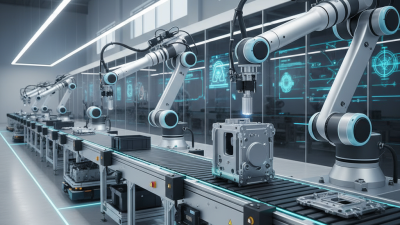
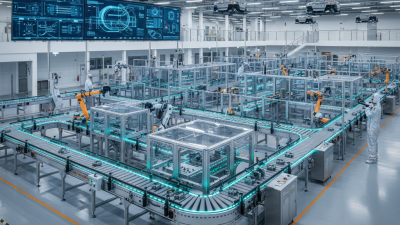
Autonomous Mobile Robots (AMRs) are revolutionizing manufacturing. They improve production efficiency by optimizing workflows. These robots navigate through spaces, transporting materials with precision. Their ability to minimize human error enhances overall productivity.
AMRs can work 24/7, ensuring continuous operations. This leads to quicker turnaround times and reduced labor costs. However, integrating AMRs requires careful planning. Facilities must evaluate their layout to facilitate movement. Communication between robots and human workers is essential.
Tips: Assess your floor plan for efficiency. Ensure pathways are clear for AMRs. Training staff to collaborate with these robots is crucial for success. Remember, while AMRs offer many advantages, they also demand ongoing maintenance and technology updates. It's essential to monitor their performance regularly.
In recent years, autonomous mobile robots (AMRs) have transformed healthcare. These robots streamline operations, enabling hospitals to focus on patient care. They transport medications and supplies efficiently. This reduces the workload on nursing staff and minimizes human error. Additionally, AMRs can navigate complex hospital environments autonomously.
AMRs also enhance patient interactions. For instance, they deliver food and medications directly to patients’ rooms. This not only improves efficiency but also enriches the patient experience. However, the reliance on technology raises questions. Can robots truly understand patient needs? Human empathy remains irreplaceable.
Training staff to work alongside AMRs is crucial. Some personnel may feel threatened by automation. Open communication can alleviate these concerns. A collaborative environment yields the best results. Overall, integrating AMRs into healthcare requires careful consideration. Balancing efficiency and personal care is key for future innovations.
| Robot Type | Primary Function | Key Benefits | Deployment Examples |
|---|---|---|---|
| Disinfecting Robots | Room sanitization | Reduces infection rates, enhances safety | Hospitals, clinics |
| Delivery Robots | Transporting supplies and medication | Saves time, increases efficiency | Hospitals, pharmacies |
| Patient Monitoring Robots | Monitoring vital signs | Real-time data collection, supports care | ICUs, elder care facilities |
| Reception Robots | Guest assistance and wayfinding | Enhances visitor experience, improves navigation | Lobbies, outpatient centers |
The retail landscape is undergoing a significant transformation due to Autonomous Mobile Robots (AMRs). These robots streamline inventory management, allowing retailers to enhance efficiency and reduce operational costs. A recent report by McKinsey highlights that AMRs can increase inventory accuracy by up to 95%, drastically minimizing human error. Retailers are now able to restock shelves faster and more accurately, benefiting both business operations and customer experience.
However, integrating AMRs into existing systems can pose challenges. Not all warehouses are designed for robotic operations. Some facilities find it difficult to adapt their layouts to accommodate AMRs. System compatibility is another concern. Data integration between AMRs and inventory management systems can be complex. For retailers hoping to maximize the benefits of AMRs, it’s essential to conduct a thorough assessment of their operations.
Tip: Consider conducting a pilot program to identify how AMRs can fit your unique environment. Understanding the specific needs of your operation is critical. It can help in making informed decisions about technology investments. Focus on training staff to work alongside robots. Full adoption needs a cultural shift within the workforce. The human-robot collaboration will define the success of AMRs in retail inventory management.
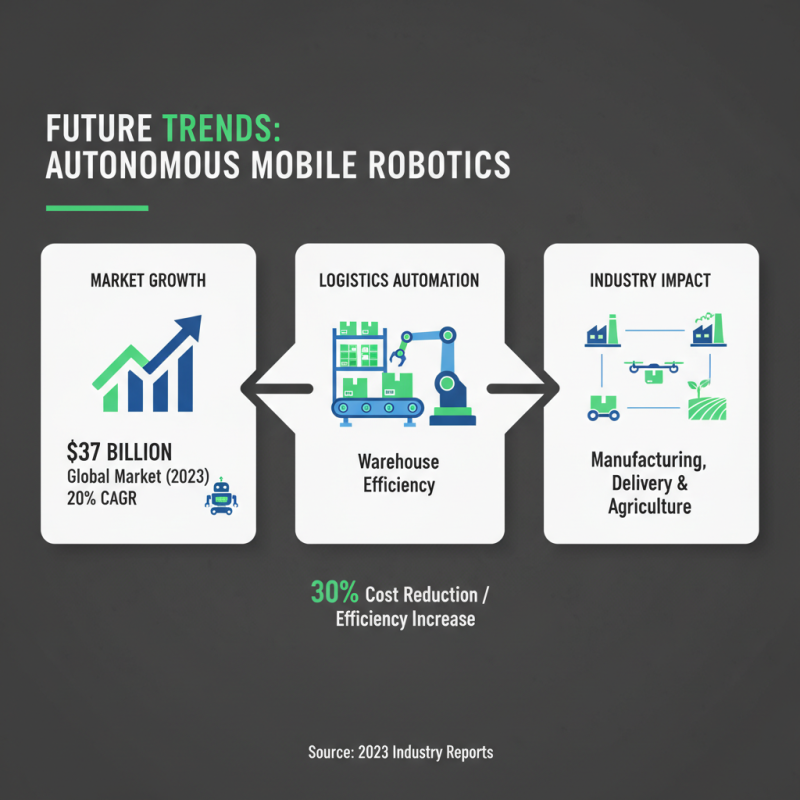
Emerging technologies in autonomous mobile robotics promise to reshape various industries significantly. As of 2023, the global market for autonomous robots is predicted to reach $37 billion, reflecting a compound annual growth rate of around 20%. Automation in logistics is transforming warehouse operations. Robots streamline processes and cut labor costs, with recent studies showing a 30% increase in efficiency.
A key trend is the integration of artificial intelligence. This enhances navigation and decision-making capabilities. Robot learning is improving, allowing for better route optimization. However, reliance on algorithms can lead to unexpected outcomes. Some robots fail to handle complex environments, requiring ongoing adaptations and enhancements.
Tips: Regularly assess the capabilities of your robots. Training staff to understand their limitations is crucial. Encourage feedback to address issues more swiftly. Collaboration between humans and machines is vital, yet still presents challenges. Integrating human oversight ensures safety and efficiency, promoting a balanced work environment.
+1 (619) 661-5985
sale@roboticemotion.com
10030 Via de la Amistad San Diego CA 92154, United States
We can supply pre-cut pipes and roller tracks, with the appropriate number of joints and accessories; delivered in kit form as per your specifications.