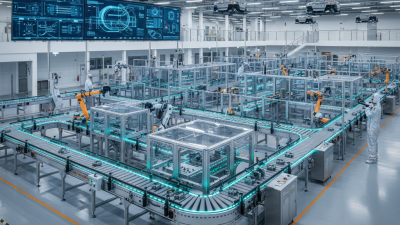
As industries evolve, the demand for efficiency increases. Autonomous mobile robots (AMRs) are transforming operational processes. These robots navigate environments independently, optimizing workflows across various sectors. From warehousing to healthcare, AMRs enhance productivity and accuracy.
However, not all applications yield the same results. Some AMRs struggle in complex settings, leading to potential inefficiencies. This raises questions about adaptability and design. Each industry presents unique challenges for these robots, and understanding those nuances is crucial.
Investing in autonomous mobile robots offers undeniable advantages, but there's also room for growth. Assessing each robot's capabilities is essential. A closer look at the top AMRs of 2026 can illuminate best practices and areas needing improvement. There’s potential here, but challenges remain.
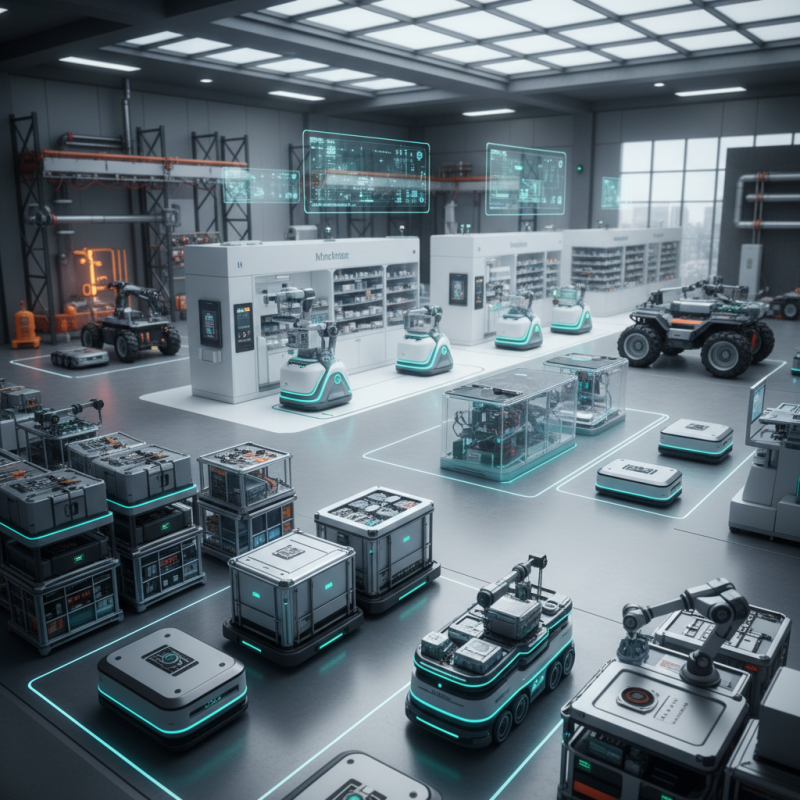
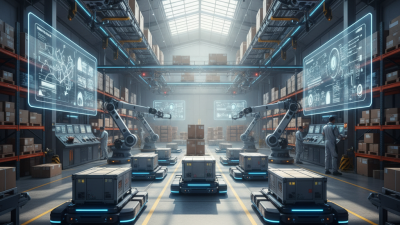
In 2026, autonomous mobile robots (AMRs) are gaining traction across various industries. These robots streamline operations, enhance productivity, and improve safety in warehouses and manufacturing plants. They can navigate complex environments, avoiding obstacles with advanced sensors and AI technology. This capability allows them to operate alongside human workers without disruption.
The implementation of AMRs is not without challenges. Businesses must consider integration into existing workflows and the potential learning curve. Training staff to work with these robots is crucial for maximizing efficiency. Additionally, maintenance and support systems are vital. Companies need to ensure that these robots are reliable and can be repaired quickly when issues arise.
Observing how industries adapt to these changes reveals much. Some may resist technological shifts due to fear of job displacement. Others see AMRs as partners in enhancing human labor. Balancing innovation with human roles is an ongoing conversation. It is essential to address concerns while highlighting AMRs' potential to unlock new levels of productivity.
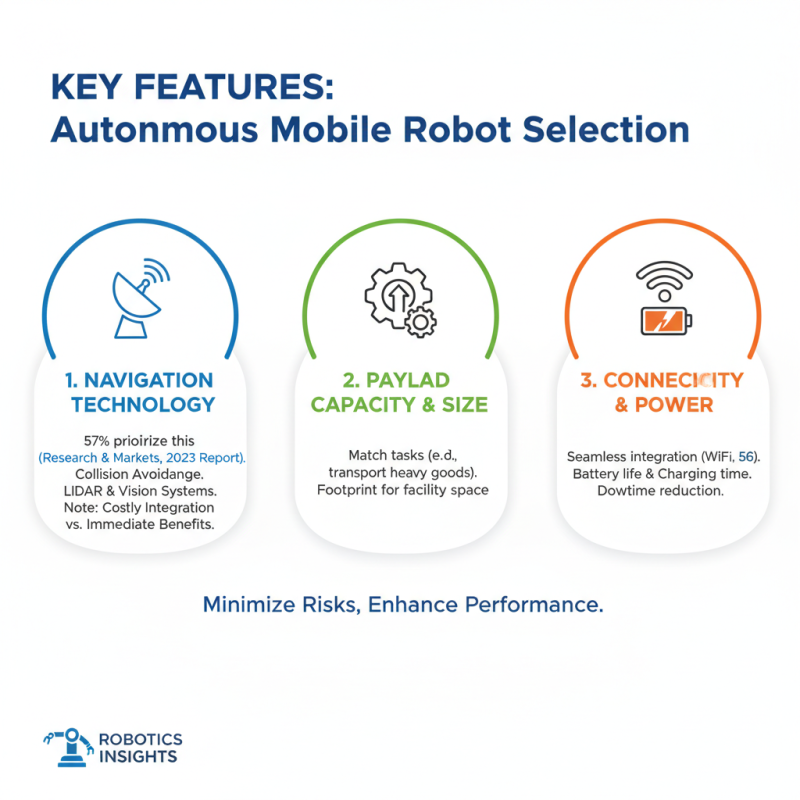
When choosing an autonomous mobile robot (AMR) for industrial operations, several key features require careful consideration. A 2023 report by Research and Markets highlighted that 57% of companies prioritize navigation technologies. Efficient navigation minimizes collision risks and enhances performance. Advanced LiDAR and vision systems often contribute to better path planning. However, integrating these technologies can be costly and may not always yield immediate benefits.
Load capacity is another crucial factor. According to a study by Future Market Insights, about 40% of organizations focus on payload capabilities. An AMR must meet specific handling requirements for materials in various industries. Selecting a robot with an inadequate load capacity can severely impact operations. Additionally, user interface design plays a pivotal role. Operators need an intuitive system to monitor performance. A complicated interface can lead to errors and frustration.
Maintenance and support are areas that shouldn't be overlooked. A survey by the International Federation of Robotics indicated that 30% of users experience downtime due to inadequate technical support. Regular maintenance ensures optimal functioning and prolongs life span. It's essential to evaluate support options prior to investment. Reflect on your operational needs critically; not all robots are created equal. Finding the right balance between cost, features, and after-sales support is vital for long-term success.
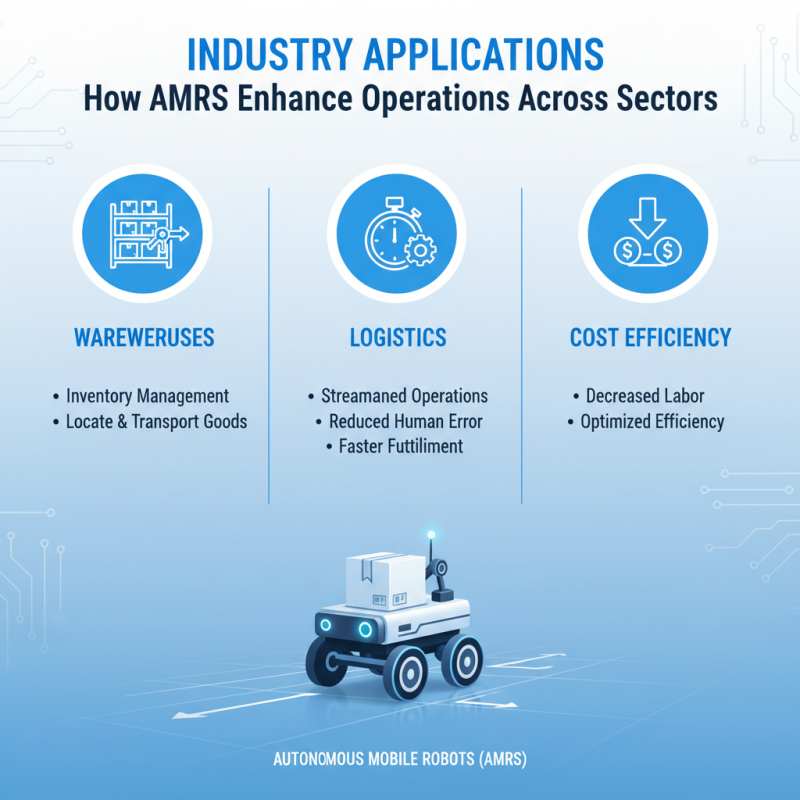
Autonomous Mobile Robots (AMRs) are revolutionizing operations across various sectors. In warehouses, these robots streamline inventory management. They navigate aisles efficiently to locate and transport goods. This reduces human error and speeds up fulfillment. Many logistics teams find that implementing AMRs leads to a noticeable decrease in labor costs.
In healthcare, AMRs assist with transporting medications and supplies. They operate safely alongside staff and patients. This integration enhances operational efficiency while allowing healthcare workers to focus on patient care. Nevertheless, challenges persist. Ensuring AMRs can navigate complex environments remains a concern.
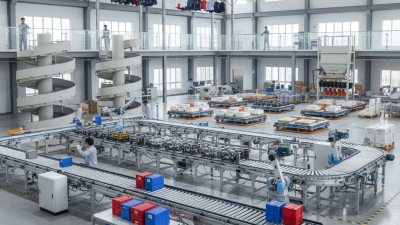
Manufacturing also benefits from AMR technology. These robots move raw materials and finished products, ensuring a smooth workflow. However, interruptions in production lines can still occur. Robots must be optimized for different layouts and situations. By continuously refining their algorithms, industries can harness the full potential of AMRs, paving the way for a more automated future.
As we delve into the landscape of autonomous mobile robots (AMRs) in 2026, several models stand out for their efficiency across various industries. These robots excel in tasks like transportation and inventory management. They navigate complex environments, learning from their surroundings. However, the effectiveness of these robots hinges on their programming and integration within existing workflows.
Tips: Consider the specific needs of your operations. Not all AMRs are created equal. Evaluate the functionalities that matter most to your team. Look for models with robust learning algorithms to adapt better over time.
Complications can arise when deploying AMRs. Integration challenges may occur if existing systems are outdated. Regularly reassess technology to ensure compatibility. Additionally, staff must be trained to effectively interact with AMRs. Human-robot collaboration is essential for achieving peak performance.
Ultimately, the comparative analysis of these top models will guide businesses in making informed decisions. Choosing the right AMR could lead to significant improvements. However, continual evaluation and adaptability will be vital in navigating operational challenges.
The future of autonomous mobile robotics (AMRs) is poised for significant evolution beyond 2026. This growth is driven by an increase in operational efficiency across various industries. According to a recent industry report, the global AMR market is projected to reach $10 billion by 2026, growing at a compound annual growth rate of 22.5%. This rapid growth reflects the growing demand for logistics automation, especially in warehouses.
Interestingly, while advancements are promising, challenges remain. Many companies struggle with integrating AMRs into existing workflows. Human-robot collaboration is still a developing area. Workers must adapt to these systems, which can lead to resistance. Moreover, issues related to safety and navigation in dynamic environments require further innovation. AMRs must enhance their sensing technologies to avoid obstacles and operate smoothly alongside humans.
It's crucial to consider the ethical dimensions of deploying AMRs. Job displacement is a genuine concern. As machines handle repetitive tasks, the workforce must upskill. Continuous training will be essential to maintain a balanced job market. Researchers emphasize the importance of inclusive strategies during this transition period. The next few years will not only reshape industries but also challenge our understanding of work and automation.
| Robot Type | Application | Battery Life | Payload Capacity | Navigation Technology | Estimated Cost (USD) |
|---|---|---|---|---|---|
| Cargo Transport Robot | Warehouse Logistics | 8 hours | 1000 kg | Lidar + SLAM | $20,000 |
| Delivery Robot | Last-Mile Delivery | 6 hours | 50 kg | GPS + Vision | $15,000 |
| Service Robot | Hospitality | 10 hours | 30 kg | Lidar + Ultrasonic | $12,000 |
| Inspection Robot | Infrastructure Monitoring | 5 hours | 20 kg | Vision + IMU | $25,000 |
| Agricultural Robot | Farming Operations | 12 hours | 200 kg | RTK GPS + Camera | $18,000 |
+1 (619) 661-5985
sale@roboticemotion.com
10030 Via de la Amistad San Diego CA 92154, United States
We can supply pre-cut pipes and roller tracks, with the appropriate number of joints and accessories; delivered in kit form as per your specifications.