Top Innovations in Manufacturing Automation Technology You Should Know?

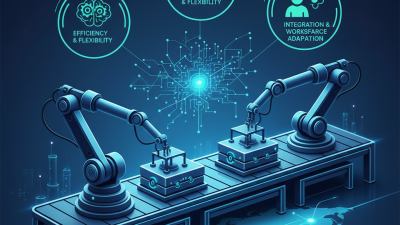
In the rapidly evolving landscape of manufacturing, one area stands out: manufacturing automation technology. Experts like Dr. Emily Chen, a leader in automation research, emphasize its importance, stating, “Automation can redefine efficiency and quality in production.” With the rise of smart factories, businesses are leveraging innovative solutions to enhance their operations.

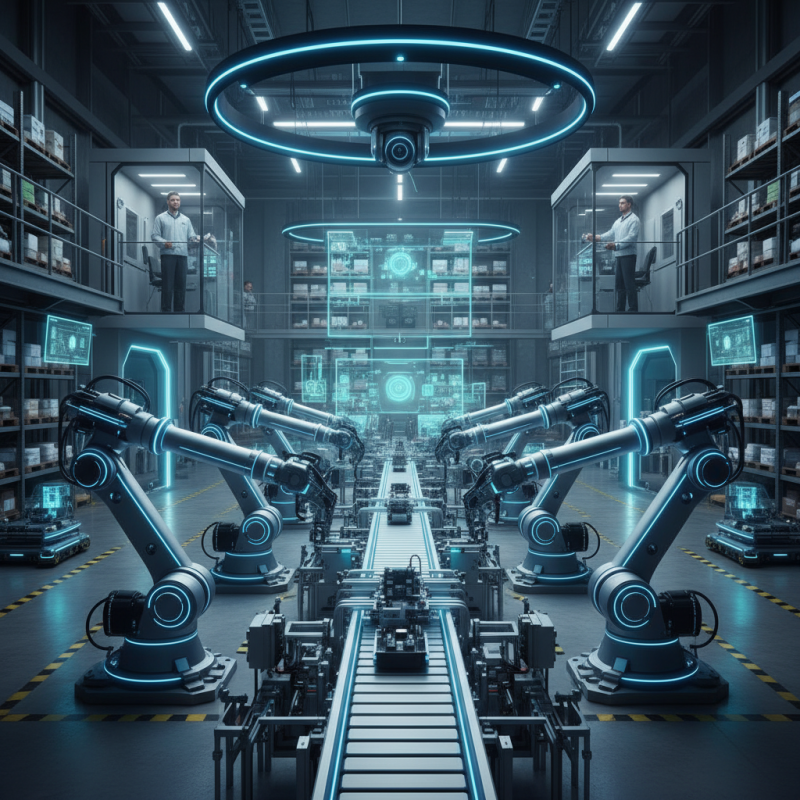
Manufacturing automation technology is not just a trend; it is a necessity. Businesses face increasing pressure to improve productivity and reduce costs. Emerging technologies such as AI, robotics, and IoT are driving this change. They can streamline processes, minimize errors, and maximize output. However, integrating these systems can be challenging. Companies must adapt their workforce and consider significant upfront investments.

The implementation of manufacturing automation technology is transformative but complex. Organizations must navigate the balance between automation and human employment. While technology can improve operational efficiency, it requires skilled workers to manage and maintain these systems. As we explore the latest innovations, we confront both the opportunities and obstacles that come with the future of manufacturing.
Top Innovations in Manufacturing Automation Technology You Should Know?

The Evolution of Manufacturing Automation Technologies Over the Years

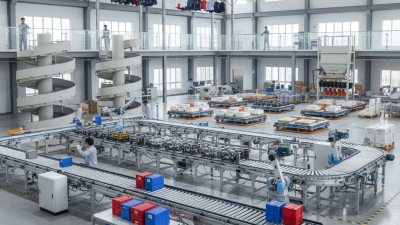
Manufacturing automation has transformed significantly over the decades. Initially, manual labor dominated the industry. Workers relied on basic tools and machines. Gradually, automation began to seep into production. Early assembly lines introduced mechanization, which increased efficiency but also required more skilled workers to operate machinery.

As technology progressed, computer-controlled systems began to emerge. These advancements allowed for more precise and faster production lines. Integration of robotics marked a pivotal shift. Robots could perform repetitive tasks with unmatched speed and accuracy. Yet, this evolution did raise concerns about job displacement. Workers faced challenges adapting to these rapid changes.

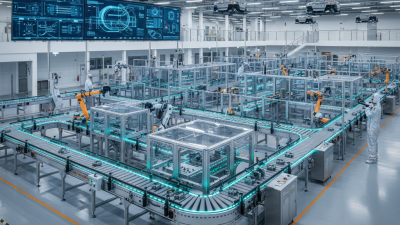
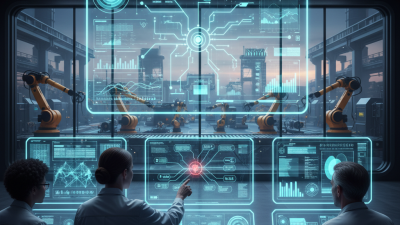
Recent innovations focus on smart manufacturing and the Internet of Things (IoT). Real-time data analysis enhances decision-making. However, not all companies have embraced these technologies. Many still struggle with implementation. The transition to automated systems demands careful consideration of workforce implications and training needs. Automation continues to evolve, but it is not without its pitfalls and challenges.
Top Innovations in Manufacturing Automation Technology

This chart illustrates the adoption rates of various innovations in manufacturing automation technology. The data indicates that Robotics is leading the adoption spectrum, while Cloud Computing shows the least adoption among the listed technologies.

Key Trends Shaping the Future of Manufacturing Automation

The future of manufacturing automation is deeply influenced by key trends that redefine the industry. One prominent trend is the rise of artificial intelligence (AI) in production processes. AI optimizes tasks, improves efficiency, and drives predictive maintenance. This technology can reduce downtime and minimize errors, fostering a more reliable production environment.

Another significant trend is the integration of the Internet of Things (IoT). Smart devices collect real-time data, offering insights into equipment performance and operational efficiencies. Manufacturers can respond to issues instantly, reducing waste and increasing productivity. However, not all implementations are seamless. Some systems face challenges in data security and interoperability.

**Tips:** Ensure staff are trained in new technologies. This can bridge gaps in understanding. Regularly assess automation strategies. Reflect on what works and what doesn’t. Experimentation can lead to valuable improvements. Embrace intuition alongside data-driven decisions. It’s okay to make mistakes; they often lead to the best innovations.

Innovative Robotics: Enhancing Efficiency in Production Lines

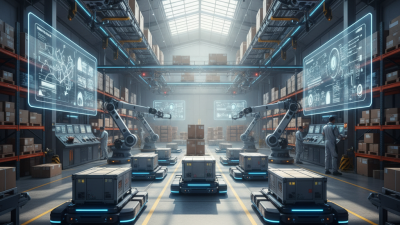
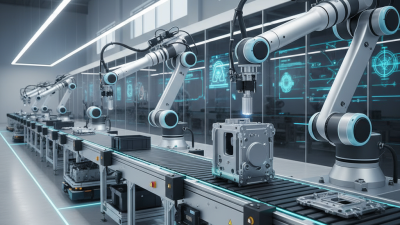
Innovative robotics is reshaping production lines, driving efficiency and productivity. These machines perform tasks with speed and precision, reducing human error. In factories, robotic arms are becoming common. They carry heavy loads, assemble components, and even inspect products. This technology allows companies to operate longer hours without fatigue. However, implementation can be costly, and the training required is often underestimated.

Robots can work tirelessly, but they also require regular maintenance. Any downtime for repairs can affect overall production. Moreover, as the workforce adapts to these machines, there is anxiety about job displacement. Skills gaps may arise, leaving some workers unsure of their future roles. Bridging this gap is essential for a harmonious integration of robotics in manufacturing.

Real-world examples show both success and challenges. Some manufacturers have embraced robotics fully, seeing notable reductions in operational costs and improvements in quality. Others struggle with the shift, facing obstacles in employee retraining and technology upgrades. Balancing technology and human touch is vital for sustainable growth in the manufacturing sector.

Artificial Intelligence: Transforming Decision-Making in Manufacturing

Top Innovations in Manufacturing Automation Technology You Should Know?

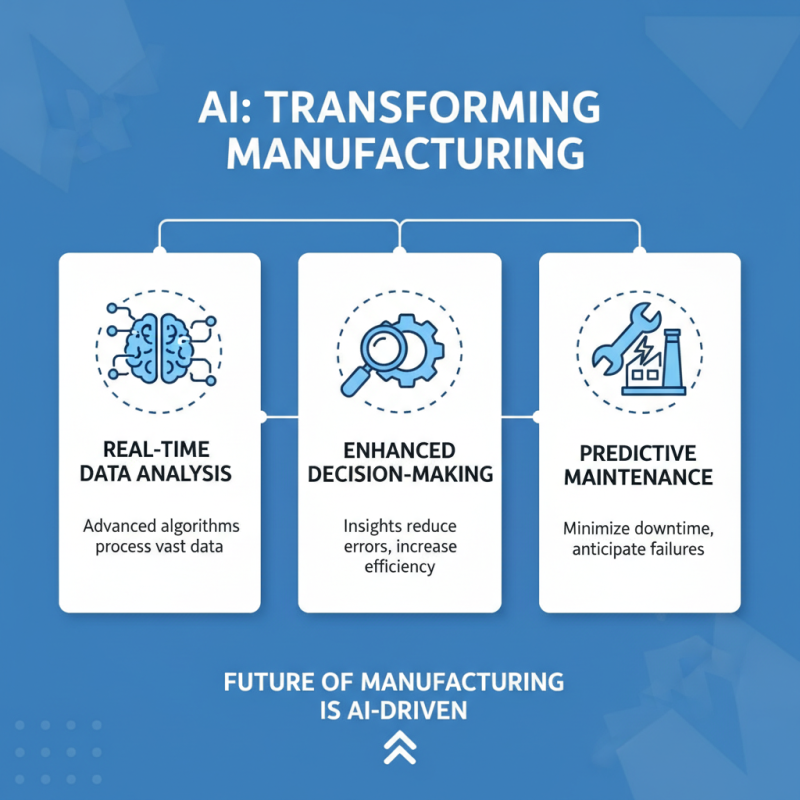
Artificial Intelligence (AI) is reshaping the manufacturing landscape. With advanced algorithms, AI enhances decision-making processes. It analyzes vast amounts of data in real time, providing insights that human operators might overlook. This capability significantly reduces errors and increases efficiency. AI-driven systems can predict maintenance needs before equipment fails, thus minimizing downtime.

On the flip side, reliance on AI can create challenges. There is a risk of over-dependence on technology, leading to potential gaps in human judgment. Workers may feel displaced as machines take over decision-making tasks. It’s essential to strike a balance between automation and human oversight. Training and upskilling employees can bridge this gap, ensuring that human expertise remains invaluable.

Moreover, integrating AI into manufacturing is not a one-size-fits-all solution. Different industries face unique challenges and dynamics. Companies must thoughtfully implement AI to align with their specific goals. Reflection on past technologies can guide this transition, helping manufacturers embrace AI's benefits while considering its implications for their workforce.

The Role of IoT in Smart Manufacturing Automation Solutions

Top Innovations in Manufacturing Automation Technology You Should Know?

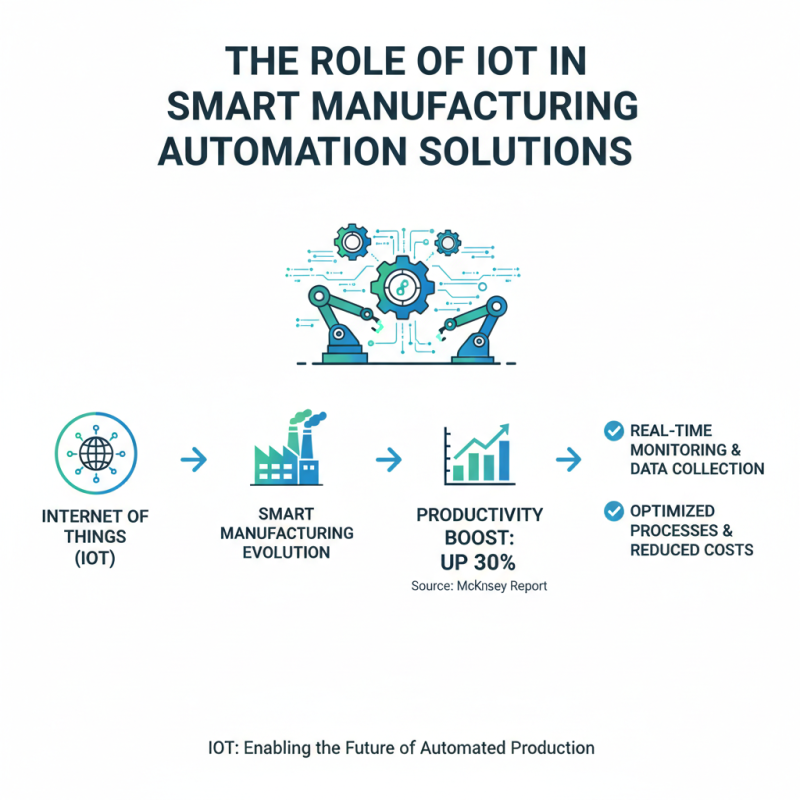
The Internet of Things (IoT) plays a pivotal role in the evolution of smart manufacturing automation. According to a recent report by McKinsey, IoT integration in manufacturing can enhance productivity by up to 30%. This technology facilitates real-time monitoring and data collection from machinery. Insights gained can lead to optimized processes and reduced production costs.

However, the implementation of IoT is not without challenges. Many companies still struggle with data security and device interoperability. A study from Deloitte highlights that 60% of manufacturers face cybersecurity threats. Moreover, the integration process can be complex, requiring skilled personnel and significant investments in infrastructure. Without a robust strategy, companies risk facing more complications than advancements.

Despite these hurdles, the benefits of IoT in smart manufacturing are undeniable. Sensors provide invaluable data that boosts operational efficiency. According to a report by Gartner, organizations leveraging IoT can achieve up to a 25% increase in asset utilization. This showcases the potential of IoT to transform traditional manufacturing processes and drive future innovation. The journey is fraught with issues, but the rewards may outweigh the risks for those willing to adapt.

×
img

    Contact Info

    PHONE NUMBER

    +1 (619) 661-5985

    EMAIL ADDRESS

    sale@roboticemotion.com

    ADDRESS INFO

    10030 Via de la Amistad San Diego CA 92154, United States