How to Enhance Industrial Efficiency Systems for Better Performance?
In the modern industrial landscape, enhancing industrial efficiency systems is crucial for achieving superior performance. Companies face constant pressure to optimize operations. This demand drives innovation and strategic improvements in efficiency systems. Each industry has unique challenges but shares a common goal: effective performance.
Effective industrial efficiency systems can streamline processes, reduce waste, and improve overall productivity. However, many organizations struggle with implementation. They often overlook the importance of detailed analysis and continuous adjustment. Emphasizing data-driven decision-making can illuminate areas needing improvement. Engaging the workforce also fosters a culture of efficiency.
Despite advancements, there remains a gap between potential and reality. Regular assessments can reveal inefficiencies that may go unnoticed. Acknowledge the human factor in these systems. Employees are key to achieving the desired outcomes. Thus, training and involvement should never be underestimated. Investing in these areas can lead to remarkable improvements. However, the journey requires commitment and reflection on current practices.

Understanding Industrial Efficiency Systems and Their Importance
Industrial efficiency systems play a crucial role in optimizing operational performance. These systems help industries reduce waste, lower costs, and improve productivity. A report by McKinsey suggests that companies adopting advanced efficiency strategies can boost productivity by up to 30%. This improvement is vital as industries face increasing competition and pressure to deliver better results.
Understanding the importance of these systems is essential. They encompass various technologies and processes that enhance workflow and resource management. According to a Deloitte study, 85% of manufacturing leaders express interest in improving their efficiency systems. However, many struggle with implementation, often citing outdated technology as a barrier. This indicates a gap that needs addressing for sustained improvement.
Moreover, there is a need for continuous evaluation. Some organizations overlook the importance of regular assessments of their efficiency systems. As noted by the World Economic Forum, companies that adapt their strategies based on feedback are 2.5 times more likely to achieve superior performance. Thus, it is crucial to reflect on existing practices and be open to change for continued success.
Identifying Key Performance Indicators for Efficiency Assessment
Key Performance Indicators (KPIs) are essential for assessing industrial efficiency. Identifying the right KPIs helps organizations improve operations. Common KPIs include production rate, downtime, and overall equipment effectiveness (OEE). Each metric reveals areas needing attention.
To enhance performance, businesses should evaluate these indicators regularly. This involves analyzing data trends and identifying patterns. Companies often overlook the need for real-time data analysis. Failing to do so can cause missed opportunities for improvement.
**Tips:** Start by focusing on a few critical KPIs. This ensures manageable data analysis. Engage your teams to gather insights from the ground level. Their input can highlight inefficiencies that may not be obvious through data alone. Remember, KPI assessment should be an evolving process; regular reflections and adjustments are vital for sustained performance improvement.
Implementing Automation and Technology Upgrades for Improvement
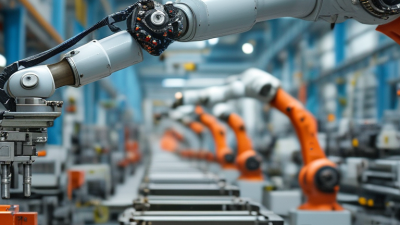
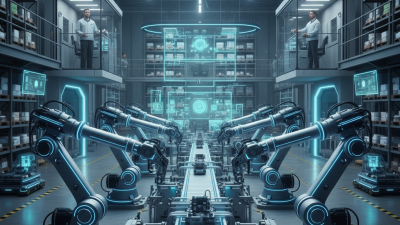
In today's rapidly evolving industrial landscape, integrating automation and technology upgrades is essential. Automation can significantly reduce human error. It streamlines processes, allowing staff to focus on strategic tasks. Consider implementing robotic process automation for repetitive actions. This technology not only enhances speed but also boosts accuracy.
Upgrading technology involves more than just purchasing new equipment. Evaluate existing systems for compatibility. Training staff on new technologies is critical. They must feel confident and competent. Some managers overlook this step, leading to resistance or inefficiencies. Regular feedback from employees can uncover gaps in understanding.
Investing in data analytics is another powerful tool. It offers insights into operational efficiency. Monitoring real-time data can reveal patterns and areas needing improvement. However, companies often struggle with interpreting this data. A skilled analyst can help make sense of these findings, driving better decision-making. Embracing technology must be a continuous process, not a one-time project.
Strategies for Streamlining Processes and Reducing Waste
Streamlining processes is at the heart of enhancing industrial efficiency. Identifying bottlenecks can significantly cut down on waste. Analyzing each step of production is vital. This includes reviewing workflows, resources, and employee tasks. Often, redundant steps are hiding in plain sight. These inefficiencies can lead to increased costs and lost time. Regular feedback loops with staff might reveal these hidden issues.
Implementing lean methodologies can help in reducing waste. By focusing on value creation, teams can eliminate non-value-added activities. Visual management tools like Kanban boards can make workflows clear. Yet, not all solutions are perfect. Some changes may require adjustments that involve trial and error. It's important to encourage a culture of experimentation.
Employees should feel safe to suggest improvements. Internal resistance might occur, but open communication can bridge gaps.
Lastly, measuring progress is crucial. Tracking key performance indicators (KPIs) gives insights into efficiency gains. However, data alone might not tell the whole story. Context matters. Regular evaluations can lead to uncovering deeper issues. The goal is continuous improvement, not perfection. Sometimes, the pursuit of perfection can hinder progress. Embracing imperfection while striving for efficiency can unlock new potential.
Fostering a Culture of Continuous Improvement and Employee Engagement
Fostering a culture of continuous improvement is essential for enhancing industrial efficiency. According to a report by McKinsey, companies that prioritize employee engagement see productivity increase by up to 24%. When employees feel valued, they are more likely to contribute innovative ideas. This leads to a more dynamic and responsive work environment.
Creating an open forum for feedback can be impactful. Regularly scheduled brainstorming sessions encourage team collaboration. A survey by Gallup revealed that teams with higher engagement levels demonstrate 21% greater profitability. However, not all organizations embrace this approach. Some still cling to traditional hierarchies, limiting communication and stifling creativity.
Encouraging employees to take ownership of their tasks can drive performance. Empowered workers are often more committed to achieving operational goals. Yet, leaders must be willing to listen and adapt. A culture resistant to change may foster complacency. To truly enhance systems, organizations need to reflect on current practices. Only by valuing every voice can innovation flourish.
Enhancing Industrial Efficiency: Continuous Improvement Metrics