What is a Material Handling System and How Does It Work?
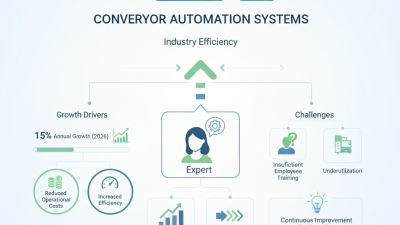
In the world of logistics and manufacturing, understanding material handling systems is crucial. Experts like Dr. Anna Gordon, a renowned researcher in industrial engineering, emphasize their importance. She states, “Efficient material handling systems are the backbone of productivity.” This highlights how crucial these systems are for operational success.
Material handling systems encompass a wide range of equipment and processes. They facilitate the movement, protection, and storage of goods. These systems help reduce waste and improve efficiency. However, they can be complex and require careful planning. It's vital to consider layout, technology, and employee training.
Despite their benefits, some organizations still struggle with implementation. Inefficient systems can lead to bottlenecks and increased costs. The choice of the right material handling systems is not straightforward. Companies must continually evaluate their needs and explore innovative solutions.
What is a Material Handling System?
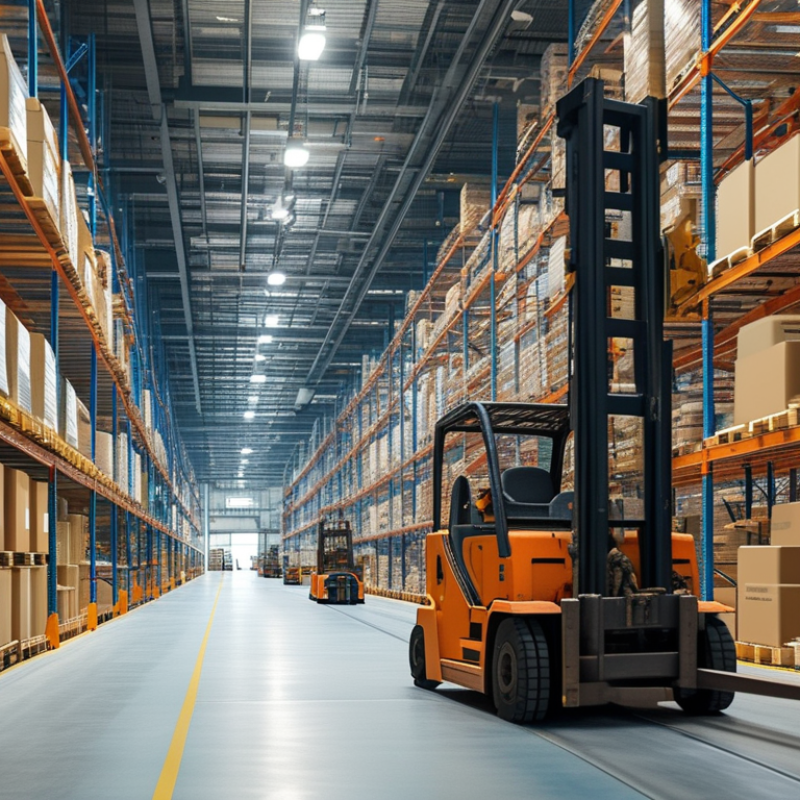
A material handling system is crucial in various industries. It refers to the methods and equipment used to move, store, and control materials. These systems improve efficiency and reduce labor costs. According to the Material Handling Industry of America (MHIA), around 60% of warehouse space is dedicated to material handling processes.
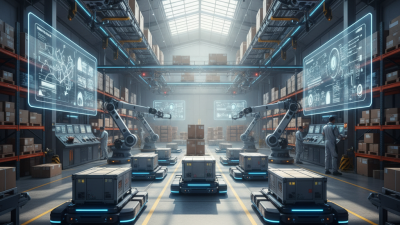
These systems can range from simple manual methods to complex automated solutions. A well-designed system minimizes product damage and enhances workflow. For example, conveyor systems and automated guided vehicles (AGVs) are increasingly common. They enable faster and safer transportation of goods within facilities. In fact, a report by the logistics research firm Gartner suggests that automation can increase throughput by up to 30%.
However, implementing a material handling system is not without challenges. There are common pitfalls, such as underestimating space requirements or neglecting employee training. Poor planning can lead to inefficiencies, with an estimated 20% of handling time wasted on non-value-added tasks. This highlights the importance of continuous assessment and adaptation in material handling strategies. Companies must be willing to reflect on their processes to optimize performance.
Key Components of Material Handling Systems
Material handling systems are essential in maximizing efficiency in warehouses and manufacturing facilities. These systems are designed to transport, store, and control materials throughout the supply chain. Understanding key components is crucial for effective implementation.
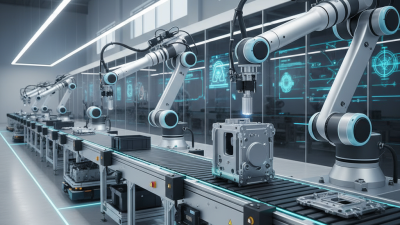
One major component is the conveyor system. It automates the movement of goods, reducing manual labor. However, improper installation can lead to bottlenecks. Operators must ensure it aligns with workflow. Another vital element is storage systems, such as racks and bins. They organize materials efficiently. An often overlooked detail is choosing the right type of storage based on the materials' size and weight.
Tip: Regularly assess your material handling systems. Identify areas for improvement. Also, train your staff. Proper training minimizes accidents and mistakes. Effective systems can only work if everyone knows their role.
Another important aspect is the use of software solutions. These systems help in tracking inventory and optimizing routes. Yet, companies sometimes underestimate the importance of updating software. An outdated system could lead to data inaccuracies, affecting overall efficiency.
Tip: Schedule regular software updates. This ensures you have the latest features. A tiny oversight can lead to significant operational disruptions. Balancing technology and human input is crucial for success.
What is a Material Handling System and How Does It Work? - Key Components of Material Handling Systems
| Component |
Description |
Function |
Example Applications |
| Conveyors |
Mechanical systems for moving materials |
Transport materials over fixed paths |
Warehouse automation, assembly lines |
| Forklifts |
Powered industrial trucks for lifting |
Lift, carry, and stack heavy loads |
Loading/unloading trucks, warehouse operations |
| Storage Systems |
Solutions for organized storage of materials |
Optimizes space and improves accessibility |
Pallet racking, shelving units |
| Automated Guided Vehicles (AGVs) |
Self-guided vehicles for material transport |
Transport goods without human intervention |
Manufacturing plants, distribution centers |
| Palletizers |
Automated machines for stacking products |
Stack goods onto pallets for shipping |
Food and beverage industry, packaging |
Types of Material Handling Equipment and Their Functions
Material handling systems are essential in optimizing logistics and warehouse operations. Various types of equipment play critical roles in this process. Understanding the functions of each type helps enhance efficiency. For instance, forklifts are widely used in warehouses. They can carry heavy loads easily. According to a recent industry report, about 28% of warehouse accidents are linked to improper handling of materials. Training on safe usage is vital.
Conveyors also serve crucial functions in material handling systems. They efficiently move products through different stages of processing. Reports show that conveyor systems can increase productivity by 50%. However, maintenance challenges exist. If not properly maintained, breakdowns can occur. This leads to costly disruptions. Manual handling equipment, like hand trucks, remains popular for smaller loads. While they are cost-effective, they increase the risk of ergonomic injuries. Awareness of proper techniques is essential to minimize risks.
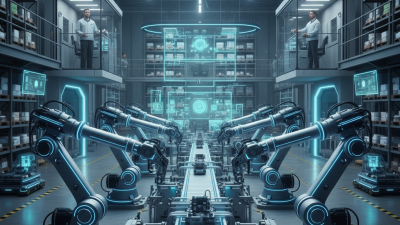
Automated systems are gaining traction. They improve precision and reduce labor costs. In fact, a recent survey found that 62% of companies plan to invest in automation within the next five years. Yet, the initial investment can be daunting. Businesses must weigh the long-term benefits against upfront costs. Each type of handling equipment has its pros and cons, affecting safety and productivity. Properly assessing needs can lead to better solutions.
Types of Material Handling Equipment and Their Usage
This bar chart represents various types of material handling equipment and their estimated number of units in use. Equipment such as forklifts and conveyors are dominant players in this field, facilitating efficient logistics and warehouse operations.
How Material Handling Systems Improve Efficiency and Safety
Material handling systems play a critical role in enhancing operational efficiency and safety within various industries. According to recent industry reports, up to 70% of total operating costs can be attributed to material handling. Improving these systems directly influences productivity. By implementing automated solutions, businesses can reduce labor costs while increasing throughput. Automation can reduce human error, which is often responsible for 30% of workplace accidents.
Moreover, material handling systems contribute significantly to worker safety. A study by the National Safety Council indicates that improper material handling results in more than 600,000 injuries annually. Effective systems minimize these risks by providing ergonomic solutions and ensuring the proper transportation and storage of materials. For example, the use of conveyors and pallet jacks can reduce the strain on workers and prevent accidents.
However, companies must regularly evaluate their systems. Continuous improvements and adjustments are necessary to address limitations and adapt to changing demands. Reflecting on real-time data can highlight bottlenecks or inefficiencies. This evaluation is vital for maintaining effective operations. By focusing on these areas, organizations can enhance efficiency while creating a safer work environment.
Challenges in Implementing Material Handling Systems
Implementing a material handling system faces various challenges that can significantly affect efficiency. One major issue is the integration of new systems with existing workflows. A report by the Material Handling Industry of America suggests that nearly 72% of companies experience disruptions during transitions. These interruptions can lead to lost productivity and increased operational costs.
Training employees is another critical challenge. Many workers may need help with new technology. The Warehousing Education and Research Council indicates that about 30% of employees feel unprepared for system changes. Continuous education can mitigate this, but it requires time and resources. Companies often underestimate the effort involved in facilitating this training, leading to frustration and resistance.
Moreover, the complexity of current material handling processes adds to the problem. Many facilities must accommodate various products and equipment types. This diversity can complicate system design and lead to inefficiencies. A study found that 65% of warehouses struggle with optimizing layout and flow, which negatively impacts throughput. Thus, careful planning and strategy adaptation are essential.