What is Intralogistics Solutions and How Do They Impact Warehousing?

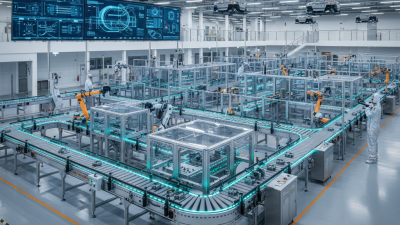
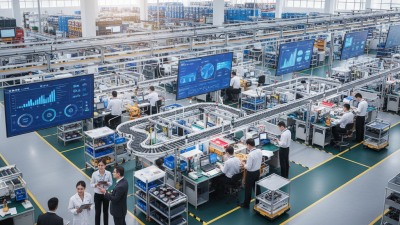
Intralogistics solutions play a crucial role in today's warehousing operations. These systems streamline internal processes, enhancing efficiency and productivity. With the rise of e-commerce, warehouses face increased pressure to adapt. Intralogistics solutions offer tools and technologies that elevate operational performance.

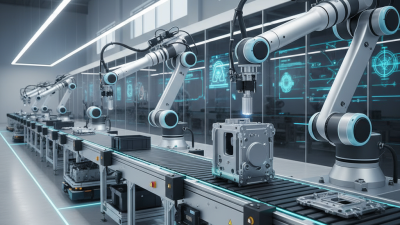
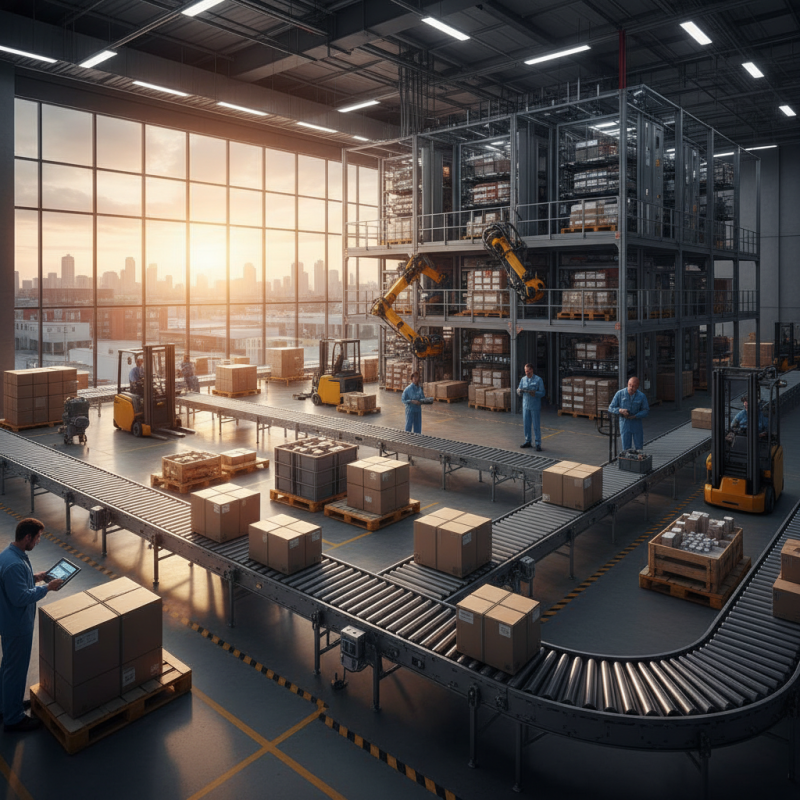
Automated systems, such as conveyor belts and robotics, are becoming standard. These innovations not only reduce labor costs but also minimize errors. However, implementing these solutions requires careful planning. Companies must consider their existing infrastructure and workforce. This integration can be challenging yet rewarding.

As businesses adopt intralogistics solutions, they must also remain vigilant. Not all systems yield immediate benefits. A thorough assessment of needs is essential to avoid costly mistakes. Understanding the nuances of these technologies will ensure they deliver the desired impact on warehousing efficiency.
What is Intralogistics Solutions and How Do They Impact Warehousing?

Definition of Intralogistics Solutions in Modern Warehousing
What is Intralogistics Solutions and How Do They Impact Warehousing?

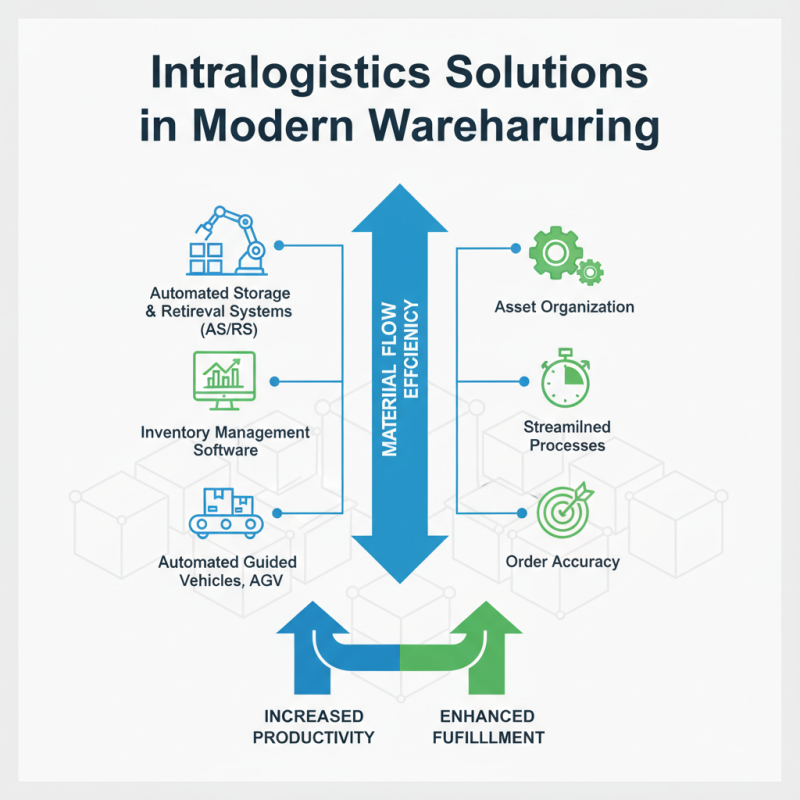
Intralogistics solutions refer to technology and systems designed to improve the efficiency of material flow within a warehouse. These solutions encompass a range of tools, from automated storage and retrieval systems to inventory management software. They enable better organization of assets and streamlined processes. This not only boosts productivity but also enhances accuracy in order fulfillment.

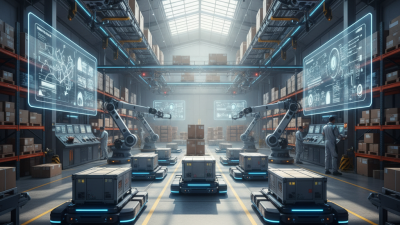
Modern warehousing increasingly relies on these solutions. By integrating robotics and artificial intelligence, warehouses can respond dynamically to changing demands. For instance, automated guided vehicles can transport goods swiftly from one point to another. However, implementing these technologies can be complex and may require a significant investment upfront.

Despite the benefits, some pitfalls exist. Poor integration with existing systems can lead to disruptions. Training staff to effectively use new technologies presents another challenge. It’s essential to balance innovation with practical considerations. Continuous assessment of these systems is crucial for maximizing their impact over time.
Key Components of Intralogistics Systems and Their Functions

Intralogistics systems combine various technologies to streamline warehouse operations. These systems include automated guided vehicles, conveyors, and sorting systems. Each component plays a vital role in enhancing efficiency and accuracy. For example, automated guided vehicles transport goods within facilities. They reduce manual labor while speeding up the movement of products.

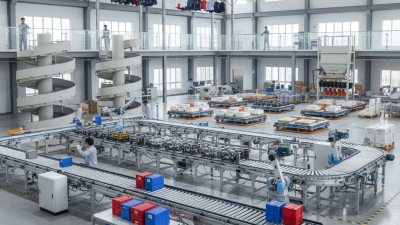
Conveyors are another essential feature. They connect different areas of a warehouse, allowing for the seamless transfer of items. This minimizes handling and speeds up order fulfillment. On the other hand, sorting systems organize products based on specific criteria, improving pick accuracy. However, integrating these systems can be challenging. Existing layouts may not accommodate new technologies easily. Adapting to these systems requires careful consideration and planning.

Data management systems support these components by tracking inventory levels and movements. This transparency helps warehouses respond to demand fluctuations quickly. However, some operators may struggle with data overload or lack the necessary training. Thus, while intralogistics enhances performance, it also necessitates ongoing improvement efforts. The balance between adopting new technology and managing human factors is crucial for success.

Benefits of Implementing Intralogistics Solutions in Warehousing

Intralogistics solutions streamline the flow of goods within a warehouse. These solutions encompass various technologies, such as automated guided vehicles, conveyor belts, and inventory management systems. Implementing these systems can significantly enhance productivity.

One major benefit is improved efficiency. Automated workflows reduce manual labor and minimize errors. With real-time tracking, businesses can optimize inventory levels and reduce excess stock. This not only saves space but also cuts costs.

Tip: Invest in training employees on new technologies. Their expertise is critical for successful implementation.

Moreover, intralogistics solutions enhance flexibility. Warehouses can easily adapt to changes in demand or storage needs. This adaptability is crucial in today's fast-paced market.

Tip: Regularly review your logistics processes. Identify areas for improvement, and adjust your systems as needed.

Ultimately, by embracing these solutions, warehouses can thrive. Enhanced operations lead to better customer satisfaction and improved bottom-line performance.

What is Intralogistics Solutions and How Do They Impact Warehousing? - Benefits of Implementing Intralogistics Solutions in Warehousing

Aspect Description Benefits Impact on Warehousing
Automation Use of technology to perform tasks Increased efficiency and reduced labor costs Faster processing times for orders
Real-time Tracking Monitoring of inventory and shipments Accurate inventory levels and reduced stockouts Enhanced decision-making for inventory management
Data Analytics Insight generation from operational data Improved forecasting and demand planning Optimized storage and fulfillment strategies
Integrations Connections between different logistics systems Streamlined operations and enhanced collaboration Seamless flow of goods and information
Flexibility Ability to adapt to changing demands Cost savings during demand fluctuations Responsive warehousing operations

Challenges and Considerations When Adopting Intralogistics Solutions

Adopting intralogistics solutions offers significant advantages to warehousing operations, yet challenges persist. A report by Gartner revealed that 70% of organizations face difficulties in implementing new logistics technologies. These challenges often stem from resistance to change and lack of skilled personnel. Employees may find it hard to transition to automated systems. This resistance can slow down operations and hinder productivity.

Integration issues can also complicate the implementation of intralogistics solutions. Data from the Warehousing Education and Research Council indicates that 50% of warehouse operators experience compatibility problems with existing systems. This can lead to inefficiencies and operational delays. Thorough assessments of current systems are critical before adopting new solutions.

Furthermore, cost concerns can limit the scope of implementation. A study by Statista found that 44% of companies cite budget constraints as a major barrier. While intralogistics solutions can ultimately reduce costs, initial investments may deter some businesses. Evaluating long-term benefits against upfront expenditures is essential. Organizations must carefully consider these factors to ensure successful adoption of intralogistics solutions.

Future Trends in Intralogistics and Their Impact on Warehousing Efficiency

What is Intralogistics Solutions and How Do They Impact Warehousing?

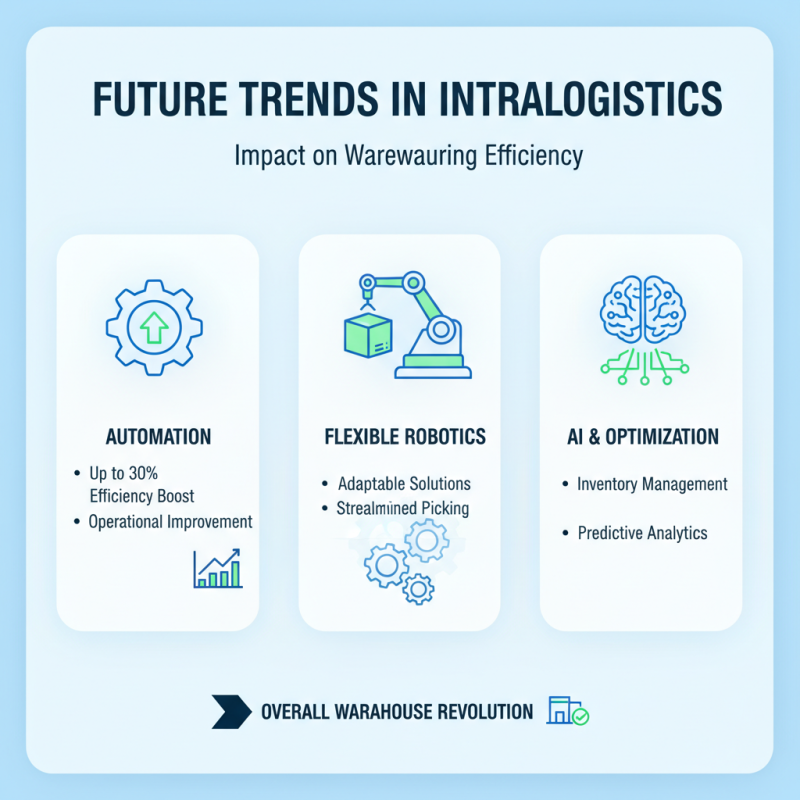
The future of intralogistics is set to revolutionize warehousing. Recent studies indicate that automation in warehouses can increase operational efficiency by up to 30%. As companies seek to adapt, a shift towards flexible automation solutions is evident. Robotics and AI technologies are being integrated to optimize inventory management and streamline picking processes.

Data shows that 55% of companies are investing in technology that enhances real-time data tracking. This shift allows for better decision-making and inventory control. However, not all companies successfully adopt these new solutions. Resistance to change remains a barrier, with some organizations struggling to balance traditional methods with innovative approaches.

The integration of smart technologies can reduce errors and enhance speed, but it also requires a cultural shift within the workforce. Most employees need retraining to adapt to these changes. Moreover, as technology evolves, the demand for skilled workers in these areas increases. Companies might find it challenging to meet this demand, which can hinder progress. Balancing innovation with workforce development will be crucial for long-term success in warehousing efficiency.

×
img

    Contact Info

    PHONE NUMBER

    +1 (619) 661-5985

    EMAIL ADDRESS

    sale@roboticemotion.com

    ADDRESS INFO

    10030 Via de la Amistad San Diego CA 92154, United States