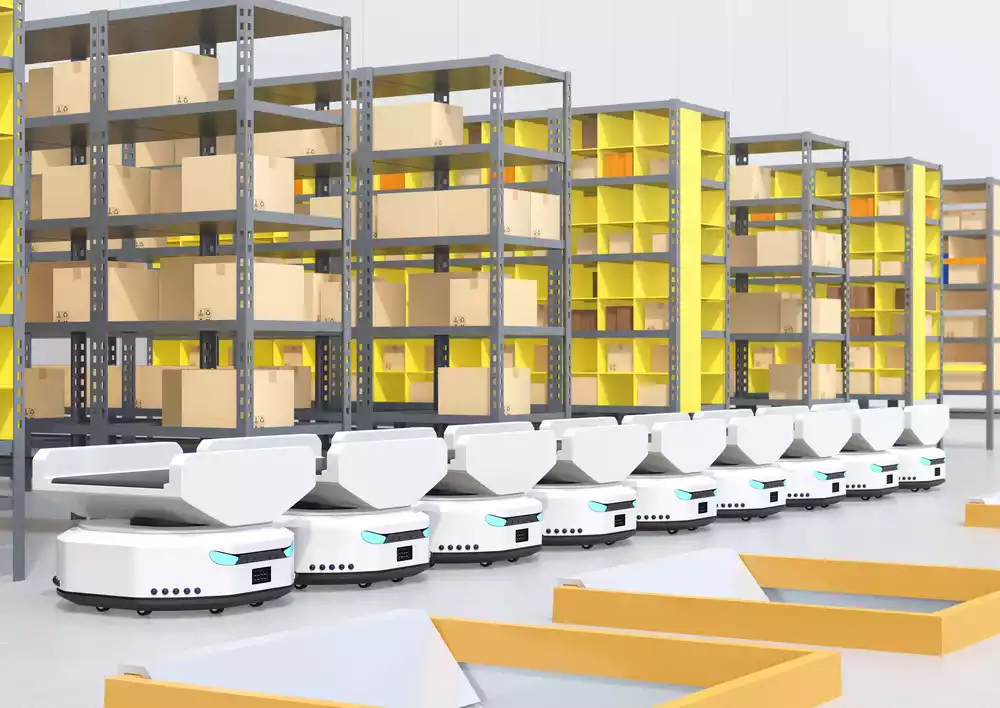
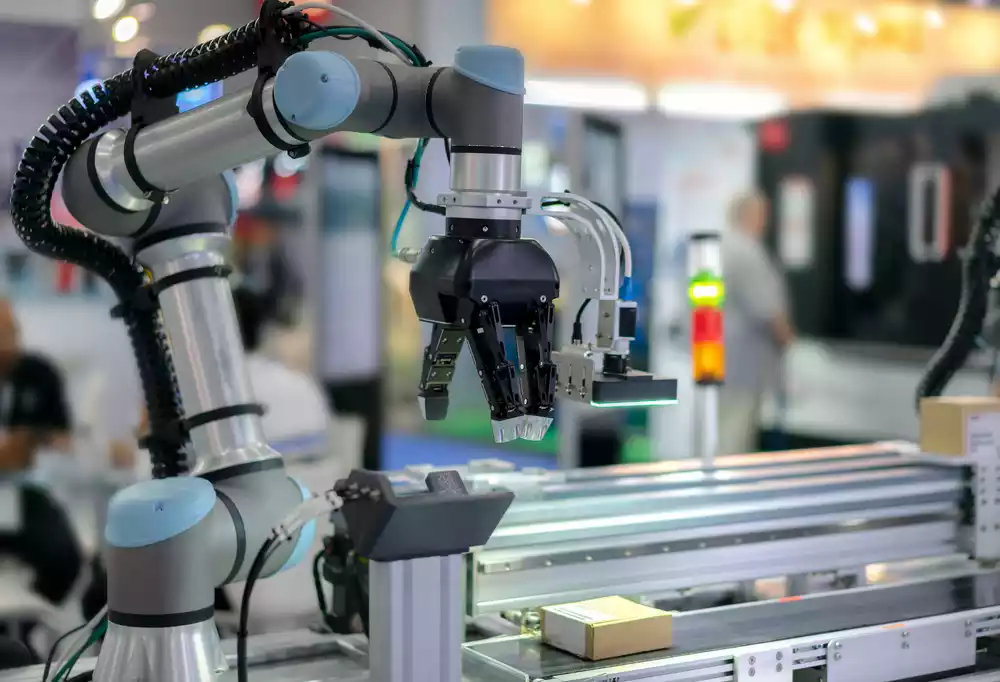
Understanding the difference between AMR and AGV
The rise of industrial automation has brought two powerful solutions to the forefront: Autonomous Mobile Robots (AMRs) and Automated Guided Vehicles (AGVs). Both are critical in modern intralogistics, but understanding the difference between AMR and AGV is essential for businesses aiming to invest in smarter, more productive technologies. Here, we will clarify the definitions, navigation methods, flexibility, infrastructure requirements, adaptability, and levels of automation for both systems. This will help you recognize the difference between AMR and AGV and select the right technology for your operation.
What is an AMR?
An Autonomous Mobile Robot (AMR) is a highly intelligent robotic solution capable of independently navigating complex environments. Unlike traditional robots, AMRs use sophisticated mapping, vision systems, sensor fusion, and artificial intelligence to move freely and safely within a workspace. Their advanced algorithms enable them to interpret their surroundings, avoid obstacles, and dynamically plan efficient routes.
AMRs are widely implemented in industries requiring real-time adaptability and optimized workflows. They are especially beneficial in dynamic environments where pathways, stations, or production layouts change frequently. Understanding the difference between AMR and AGV helps define why AMRs are favored in flexible manufacturing, e-commerce fulfillment centers, and facilities with high variability.
What is an AGV?
An Automated Guided Vehicle (AGV) is a type of material handling system that moves according to predefined routes, usually using wires, magnetic tapes, QR codes, or tracks installed on the facility floor. AGVs require a structured environment for navigation and rarely deviate from their programmed paths (unless directed to do so by a central control system).
AGVs are ideal for repetitive tasks in stable, well-defined settings such as automotive production lines and large-scale warehouses. They reliably follow routes for transporting materials between fixed points. Understanding the difference between AMR and AGV clarifies why AGVs are generally deployed in operations with predictable logistics and minimum layout changes.
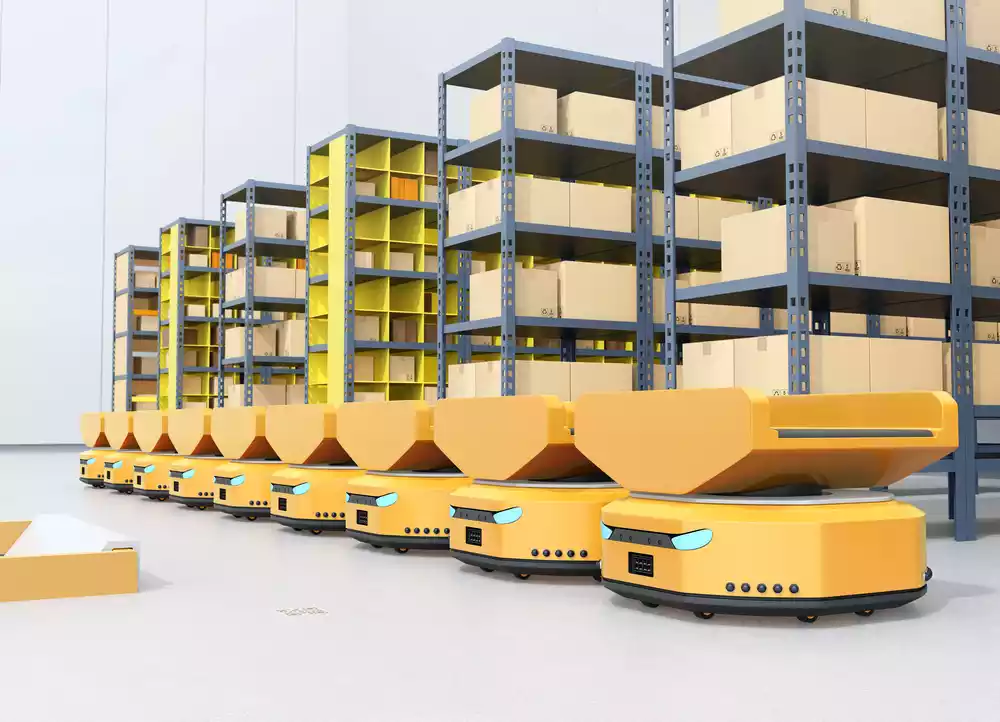
Key differences between AMR and AGV
To truly grasp the difference between AMR and AGV, it is necessary to examine them in the context of several technical and functional variables:
Navigation technology
- AGV: Utilizes fixed guidance systems (tracks, tapes, wires, or markers) inserted in the floor or workspace. AGV navigation is rule-based and dependent on following a precise mapped route.
- AMR: Employs on-board sensors, cameras, LiDAR, and advanced software to build and update digital maps of their surroundings. AMRs can “see” and interpret their environment in real-time, allowing for flexible routing and dynamic adjustments.
The difference between AMR and AGV begins with how they understand and move through the environment; AMRs provide intelligent, responsive motion, while AGVs offer reliable, fixed-path movement.
Flexibility and adaptability
One key difference between AMR and AGV is their ability to adapt to operational changes:
- AGV: Limited flexibility; any major change in routing or workflow requires adjustments to the physical guides or tracks, making reconfiguration time-consuming and costly.
- AMR: Highly flexible; changes in routing or work area layouts can be rapidly updated in software, and AMRs can autonomously adapt almost instantly to new environments or obstacles.
Businesses dealing with frequent production changes or diverse workflows will quickly recognize the value in the flexibility and rapid adaptability of AMRs.
Infrastructure requirements
When considering the difference between AMR and AGV, infrastructure is critical:
- AGV: Needs dedicated pathways (wires, tapes, markers) installed throughout the facility. Any alteration to these guides involves downtime and engineering labor.
- AMR: Requires no special floor infrastructure. AMRs create and update digital facility maps via their sensors, operating in standard or evolving layouts.
The difference between AMR and AGV is clear: AGVs may suit facilities with fixed routes and stable processes, while AMRs thrive in environments where infrastructure flexibility is a priority.
Level of Automation and intelligence
- AGV: Delivers a lower level of autonomy. It cannot make real-time decisions beyond basic obstacle detection. Once off its path, an AGV typically requires manual intervention or central system inputs to return to service.
- AMR: Integrates artificial intelligence, real-time decision making, and advanced sensing for high-level autonomous operation, capable of self-correcting and rerouting around new obstacles without outside help.
The intelligence gap is a significant difference between AMR and AGV and represents a primary reason for AMR adoption in smart factories.
Safety and obstacle handling
Another important difference between AMR and AGV is the way these machines handle unexpected objects or personnel in their paths:
- AGV: Typically stops when an obstacle is detected and waits for the path to clear or for a manual intervention.
- AMR: Proactively interprets its sensor data to slow down, reroute, or avoid obstacles autonomously, maintaining a steady workflow even when the environment changes.
When to choose AMR or AGV
Understanding the difference between AMR and AGV will help determine the right fit for your operation:
- Choose AGV if your facility prioritizes predictable, high-volume, point-to-point material transfer in a static environment. AGVs excel in settings with low variability and stable production layouts.
- Choose AMR if you value intelligent automation, need flexibility to adapt to changing work environments, or want systems that learn and optimize as your operation evolves. AMRs are ideal for dynamic settings, multitasking, and tasks demanding navigation in non-standardized environments.
Use cases illustrating the difference between AMR and AGV
Let’s break down the difference between AMR and AGV with typical use examples:
Example 1: Automotive assembly
- AGV: Moves parts along a fixed path between stations, handling repetitive transfer duties in a dedicated line.
- AMR: Delivers components dynamically, redirecting as workstations reconfigure or if bottlenecks develop elsewhere.
Example 2: E-Commerce warehouse
- AGV: Follows set tracks along long aisles for box transport in vast, unchanging layouts.
- AMR: Navigates the floor, instantly rerouting around temporary obstacles and supporting high-frequency, on-demand picking operations.
Example 3: Contract manufacturing
- AGV: Tends to underperform where changeovers and product variety are frequent.
- AMR: Excels in diverse production settings by quickly adapting to new tasks, learning optimal paths, and adjusting for different work cells.
Comparing operational costs and integration
When evaluating the difference between AMR and AGV, consider both initial implementation and long-term operational costs.
- AGV systems typically involve higher up-front infrastructure investment, but can be cost-effective for long periods of steady use.
- AMR systems generally have lower installation costs and provide ongoing value by adapting to process changes without major re-engineering.
In terms of integration, AMRs often offer faster commissioning, software-based adjustments, and smoother connectivity with modern fleet management and enterprise systems.
Which technology is right for your business?
Choosing between these solutions starts with a clear understanding of the difference between AMR and AGV in relation to your operational goals. If you require steadfast, unchanging workflows, AGVs may meet your needs. If flexibility, adaptation, and smart automation are priorities, AMRs represent the future of intralogistics and production logistics.
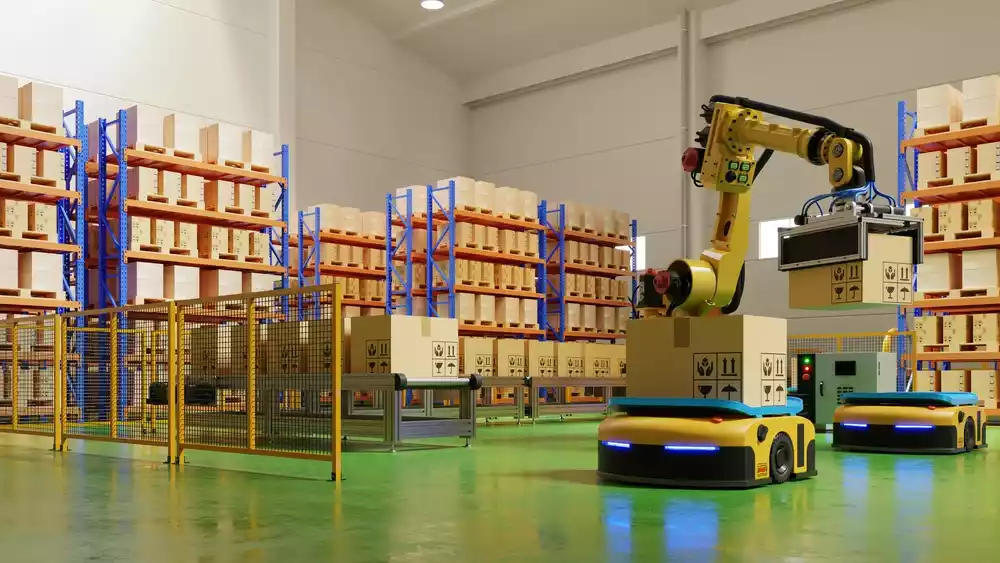
Smart automation for modern industry: Partnering for success
The difference between AMR and AGV is fundamental to how logistics and manufacturing operations are modernized. For organizations pursuing greater productivity, flexibility, and safety, knowledge of these distinctions is essential in making the right technology investment.
For businesses seeking the most advanced solutions, AMS, Inc. stands out as the preferred provider for AMR systems. With expertise in customization, integration, and ongoing support, AMS, Inc. delivers turnkey AMR deployments that meet the unique challenges of today’s dynamic industries. Elevate your automation, partner with AMS, Inc. to implement intelligent AMR robots and set a new standard in operational excellence.