Collaborative robot systems, or cobots, are changing the landscape of automation. According to a 2023 report by MarketsandMarkets, the global cobot market is expected to reach $12.3 billion by 2025. This growth reflects a growing trend in industries seeking more efficient and flexible automation solutions. Experts believe that these robots can work alongside humans safely, enhancing productivity without replacing the human workforce.
Dr. John Smith, an industry analyst at Automation Insights, emphasizes the importance of cobots in modern manufacturing: “Collaborative robots are not just tools; they are partners in enhancing workplace efficiency.” This statement highlights how collaborative robot systems are redefining human-robot interaction. Cobots are designed to assist with repetitive tasks, allowing human workers to focus on higher-value activities.
Despite their advantages, the integration of collaborative robot systems is not without challenges. Companies must consider training and safety protocols to maximize their potential. The question arises: Are we truly prepared for this shift in the workplace? The unpredictable nature of human-robot collaboration requires ongoing adaptation and reflection. Thus, while the potential is immense, careful implementation is key.
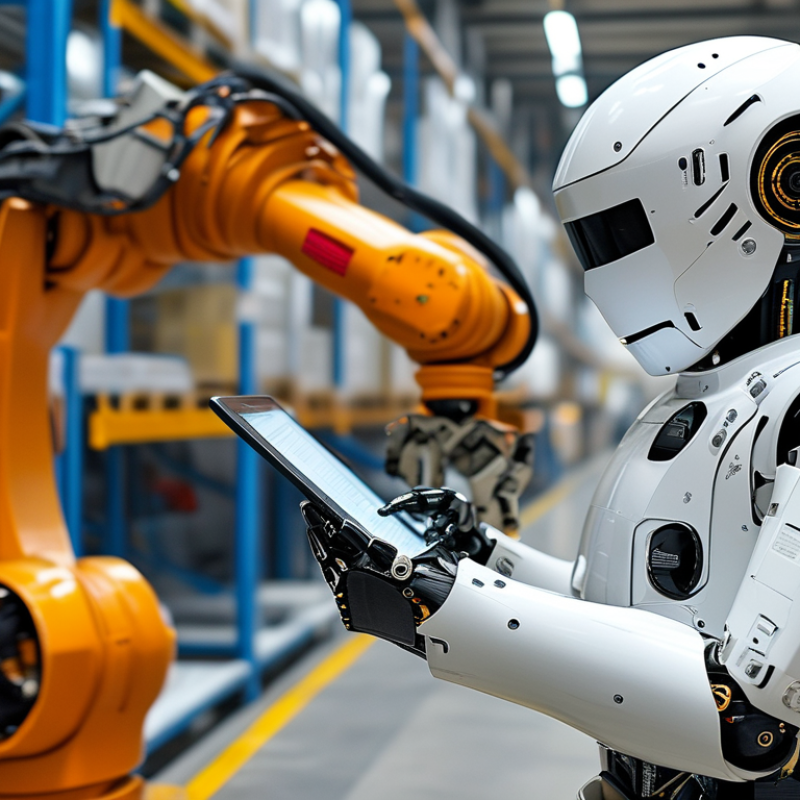
A collaborative robot system, often known as a cobot system, represents a new era in automation. Unlike traditional robots, which operate in isolation, cobots are designed to work alongside human operators. This collaboration allows for a more flexible approach to manufacturing and other tasks. Cobots are equipped with sensors and advanced programming. They can identify and respond to human presence, ensuring safety and efficiency in the workplace.
The functioning of a collaborative robot system hinges on its adaptability. Cobots can be easily programmed for various tasks, such as assembly or packaging. Their ability to learn from human actions promotes a seamless integration into existing workflows. For instance, a cobot can assist a worker in lifting heavy objects, reducing the risk of injury. However, the interaction between humans and cobots can lead to challenges. There is a need for continual training and oversight to ensure effective teamwork.
Despite their advantages, cobots also face some limitations. They may struggle with tasks requiring high levels of dexterity or complex decision-making. Plus, reliance on technology raises questions about job displacement. The integration of collaborative robots requires careful planning and consideration of these factors. Embracing this technology may lead to innovations, but it is essential to reflect on its broader implications.
Collaborative robot systems, often known as cobots, are designed to work alongside humans. These systems integrate various components to ensure safety and efficiency. One key component is the sensor technology. Sensors enable the robot to detect human presence, adjust its movements, and prevent accidents. This feature is crucial in a shared workspace.
Another important aspect is the control system. The control system manages the robot's operations, allowing for precise movements. It often uses algorithms that enhance learning and adapt to different tasks. This adaptability makes cobots useful in various industries, from manufacturing to healthcare. However, their programming can be complex, and errors may occur during setup.
End-effectors are also critical components. They act as the robot's hands, enabling interaction with objects. Different types of end-effectors are available, and selecting the right one can be challenging. Each task may require specific tools, leading to confusion in assembly lines. Collaboration between engineers and operators can help address these issues, promoting better integration of cobots into existing workflows.
Collaborative robots, or cobots, work alongside humans in shared environments. They feature advanced mechanisms and sensors, making them safe and effective in various tasks. Unlike traditional robots, cobots are designed to interact directly with people, adapting to changes in their surroundings. This interaction is facilitated by their sophisticated sensory systems.
Cobots use various sensors to perceive their environment. Vision systems help them recognize objects and navigate spaces. Force and torque sensors allow cobots to detect contact with humans, adjusting their actions to ensure safety. These sensors contribute to their flexibility, enabling them to perform delicate tasks like assembly or packaging. Events may occur where cobots misinterpret signals. Such moments necessitate reflection on sensor accuracy and processing speeds.
The integration of machine learning enhances their abilities. Cobots learn from their interactions, continuously improving their performance. Yet, this reliance on technology can lead to imperfect responses. Addressing these limitations requires ongoing research and user feedback. By understanding sensor capabilities and challenges, we can better utilize cobots in various industries. Their potential is vast, but improvements are essential for optimal performance.
This bar chart illustrates the various mechanisms and sensors commonly used in collaborative robot systems, highlighting their relative importance in the functionality and effectiveness of these systems.
Collaborative robot systems, or cobots, are transforming various industries with their unique capabilities. These robots work alongside human workers, enhancing efficiency and safety. In manufacturing, cobots are used for tasks like assembly, welding, and packaging. They can easily adapt to different roles, making them versatile assets on the production floor. For example, a cobot might learn to assemble components in one line and switch to quality control in another.
In the healthcare sector, cobots assist in surgeries and patient care. They enable precision and reduce the workload on medical staff. Moreover, cobots in logistics handle packaging and sorting, streamlining operations. Their ability to work in tandem with humans improves overall productivity and reduces the risk of injury.
When introducing cobots, consider the following tips: ensure proper training for human operators to maximize collaboration and safety. Evaluate the specific needs of your operation to decide which tasks a cobot can undertake. Always monitor interaction to develop best practices and improve the system gradually. Reflect on these implementations regularly to address any inefficiencies or challenges that arise. This continuous improvement mindset is essential for integrating technology effectively.
The deployment of collaborative robots, or cobots, offers distinct advantages in various industries. Collaborative robots can work alongside human workers, enhancing productivity and safety. According to a 2022 report by ResearchAndMarkets, the collaborative robotics market is projected to grow by over 40% from 2022 to 2027. Such growth indicates a rising demand for solutions that combine flexibility and efficiency in manufacturing processes.
However, implementing cobots comes with challenges. Many organizations face the hurdle of integrating these systems into existing workflows. Change management can disrupt operations and may lead to resistance from employees. A study by McKinsey highlighted that 33% of companies experience pushback during the adoption of new technologies. This can undermine the potential benefits of cobots. As such, companies must invest in training and ensure clear communication to ease transitions.
Despite these drawbacks, cobots present a way to address labor shortages and enhance precision in repetitive tasks. Yet, their effectiveness often relies on human oversight and the quality of programming. It’s essential to evaluate whether the investment in collaborative robots aligns with specific operational goals, as unfulfilled expectations can result in underwhelming outcomes.
| Dimension | Description |
|---|---|
| Definition | Collaborative robots (cobots) are designed to work alongside humans, enhancing productivity and safety. |
| Key Features | Sensor technology, safety protocols, and user-friendly programming interfaces. |
| Benefits | Increased efficiency, flexibility in production, and improved safety for workers. |
| Challenges | High initial investment, integration with existing systems, and potential job displacement concerns. |
| Applications | Assembly, packaging, welding, and material handling tasks. |
| Industries | Manufacturing, healthcare, logistics, and food processing. |
+1 (619) 661-5985
sale@roboticemotion.com
10030 Via de la Amistad San Diego CA 92154, United States
We can supply pre-cut pipes and roller tracks, with the appropriate number of joints and accessories; delivered in kit form as per your specifications.