China Top Automated Assembly Systems Manufacturers?
Choosing among China’s top automated assembly systems manufacturers requires more than comparing catalog prices. A capable supplier should understand the product, production volume, quality targets, and future model changes. This guide examines manufacturers through practical engineering criteria, not promotional claims. It considers system design, component quality, software capability, commissioning support, and long-term service.
Details matter. A reliable line may combine robotic loading, precision dispensing, machine vision, torque control, leak testing, and traceability software. Its performance should be measured through cycle time, first-pass yield, changeover speed, and equipment effectiveness. These figures need evidence from factory acceptance tests, sample runs, and documented production records. Factory visits can reveal wiring quality, guarding standards, spare-parts readiness, and operator training.
The strongest manufacturers usually provide more than hardware. They offer process analysis, fixture design, PLC integration, validation support, and responsive after-sales assistance. Still, no supplier fits every application. A high-speed line for automotive connectors may require different expertise from a flexible system for medical devices or consumer electronics. That distinction matters.
Buyers should verify certifications, reference projects, software ownership, warranty terms, and local support arrangements. Independent audits and clearly defined acceptance criteria can reduce risk. Some published rankings may rely on limited information. They deserve careful review. This introduction sets a practical framework for identifying China-based partners that can deliver stable, maintainable, and scalable automated assembly systems. Performance in real production remains the final test.
What Are Automated Assembly Systems and How Do They Work?
China Top Automated Assembly Systems Manufacturers?
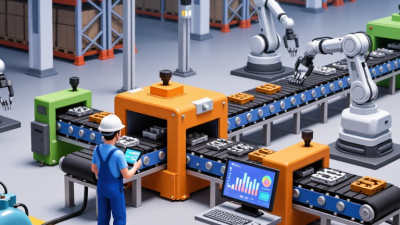
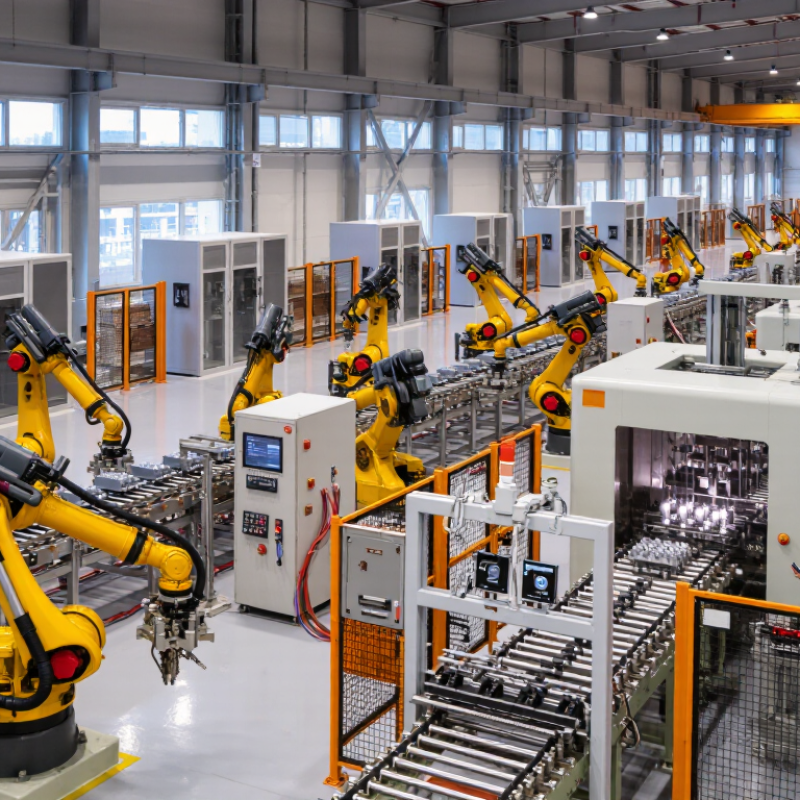
Automated assembly systems combine mechanical modules, sensors, software, and robots. They move parts, check alignment, fasten components, and record production data. A feeder presents each part in a repeatable position. A robot then places it into a fixture. Vision cameras inspect size, orientation, and surface defects. This is not magic. It is controlled repetition.
The controller coordinates every station through programmed sequences. Sensors confirm whether a part arrived correctly. If an error appears, the system can stop, reject the part, or request operator support. According to the International Federation of Robotics World Robotics 2024 report, China installed 276,288 industrial robots in 2023. That figure represented about 51% of global installations. The previous edition recorded 290,258 installations in China during 2022.
These numbers show strong investment, but robot quantity does not guarantee assembly quality. Poor tolerances, unstable feeding, or unclear maintenance procedures can still create downtime. In practical commissioning, a two-second positioning error may affect thousands of units daily. A reliable system therefore needs traceability, accessible controls, and realistic cycle-time testing. Automation can reduce repetitive handling, yet skilled technicians remain essential for calibration and fault diagnosis. The weakest assumption is often full autonomy. Parts wear, materials vary, and production targets change. Good system design leaves room for human judgment.
Key Technologies Used in Automated Assembly Equipment
China Top Automated Assembly Systems Manufacturers?
Key Technologies Used in Automated Assembly Equipment
Leading Chinese manufacturers of automated assembly systems combine mechanical design, controls engineering, and production data. Their equipment supports electronics, automotive components, medical devices, and precision hardware. Engineers usually begin with cycle time, product tolerance, and expected output. These details determine the machine structure.
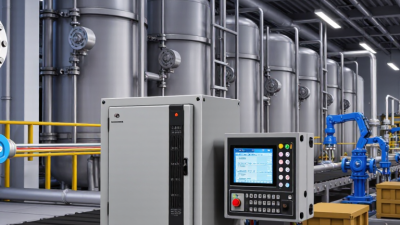
Programmable logic controllers coordinate movements, sensors, and safety circuits. Servo motors provide accurate positioning during pressing, fastening, and insertion. Machine vision checks orientation, surface defects, and missing parts. A camera can detect a reversed connector within milliseconds. Force sensors add control during delicate fitting operations. This prevents excessive pressure and reduces hidden damage.
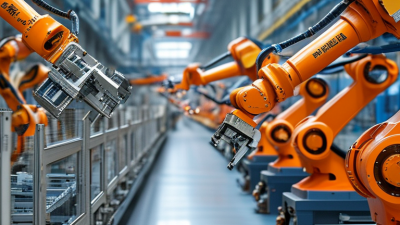
Robotic arms handle repetitive loading and unloading tasks. Automatic feeders maintain a steady supply of small components. Conveyors connect stations while barcode systems record each assembly step. Manufacturing software can display downtime, rejects, and maintenance alerts. Safety doors, light curtains, and emergency stops protect operators during service.
Real factory conditions are less predictable than design drawings. Dust, vibration, and inconsistent components can affect performance. A well-tested system needs adjustable tooling and simple changeover procedures. However, excessive automation may create costly maintenance problems. Engineers should inspect access points, spare parts, and software support before approval. Small gaps in testing often become large production delays. Regular trials with real materials reveal weaknesses that simulations may miss.
Leading China-Based Automated Assembly System Manufacturers
China Top Automated Assembly Systems Manufacturers
Leading China-based automated assembly system manufacturers serve industries that require repeatable motion, controlled quality, and measurable production data. Their systems commonly assemble connectors, small motors, sensors, battery components, and precision hardware. A typical line may combine vibratory feeding, robotic picking, torque control, vision inspection, and automatic labeling.
Experienced manufacturers begin with the product, not a fixed machine template. Engineers study component tolerances, assembly force, cycle time, and expected changeovers. They may build a sample station before committing to the full line. This practical step reveals feeding problems early. It also prevents expensive redesigns.
Reliable suppliers provide layout drawings, risk assessments, electrical documentation, and factory acceptance testing. They should explain how alarms, spare parts, operator access, and remote support will work. Many facilities follow structured quality systems, such as ISO 9001, while project compliance depends on the destination market and application. Buyers should verify certificates independently.
Strong technical teams measure results under realistic conditions. They test mixed batches, imperfect components, dust, vibration, and operator loading. Not every proposal deserves confidence. Some impressive demonstrations use carefully prepared parts. Ask for production references, sample data, and a clear acceptance standard. A modest pilot run can expose weak assumptions before installation, training, and long-term maintenance begin.
China’s Automated Assembly Systems Manufacturing Landscape
China’s industrial robot installations provide a useful, non-company-specific indicator of demand for automated assembly, handling, inspection, and production-line integration systems. Installations increased strongly from 2020 to 2022 before moderating in 2023. Data source: International Federation of Robotics, World Robotics 2024.
Industry Applications and Selection Considerations
When assessing China’s top automated assembly systems manufacturers, application fit matters more than a ranking. Electronics lines need precise feeders, vision inspection, and rapid product changeovers. Automotive assembly demands higher payloads, traceability, and stable cycle times. Medical device production requires controlled processes and documented quality checks.
541,302
The International Federation of Robotics reported 541,302 industrial robot installations worldwide in 2023.
4.28 million
Its operational stock reached approximately 4.28 million units.
These figures show strong automation demand, but robot quantity alone does not prove system quality.
Selection should begin with takt time, product variation, defect targets, and available floor space. Ask for measured cycle-time data from a comparable project. Not promises. A useful acceptance test should verify uptime, changeover time, inspection accuracy, and data connectivity.
86%
Deloitte’s 2024 Smart Manufacturing and Operations Survey found that 86% of manufacturers expect smart manufacturing to become a primary competitiveness factor within five years.
However, integration costs are often underestimated. Existing equipment, software protocols, operator training, and spare parts can affect the real payback period. No scoring model is perfect. A low-cost system may create expensive maintenance problems later.
Evaluate modular design, remote diagnostics, local technical support, safety compliance, and total cost over several years. Factory trials are valuable, although they rarely reproduce every production variable.