What is Automated Production Systems and How They Benefit Businesses?

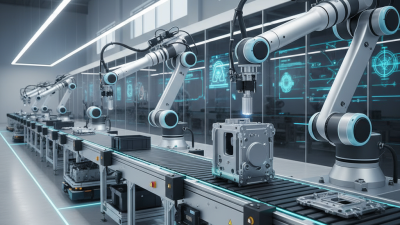
Automated production systems are transforming the way businesses operate. These systems use technology to streamline manufacturing processes, improving efficiency and reducing costs. Companies can adapt quickly to changes in demand, thanks to automation.

With automated production systems, businesses achieve higher precision and consistency. This leads to fewer errors and waste. However, relying solely on automation can be a double-edged sword. It may result in job displacement for some workers, raising important ethical questions.

Furthermore, integrating new technology can be challenging. Companies must invest in training and development. While automated production systems hold great promise, they require careful planning and consideration. Balancing technology with human expertise will be crucial for future success.
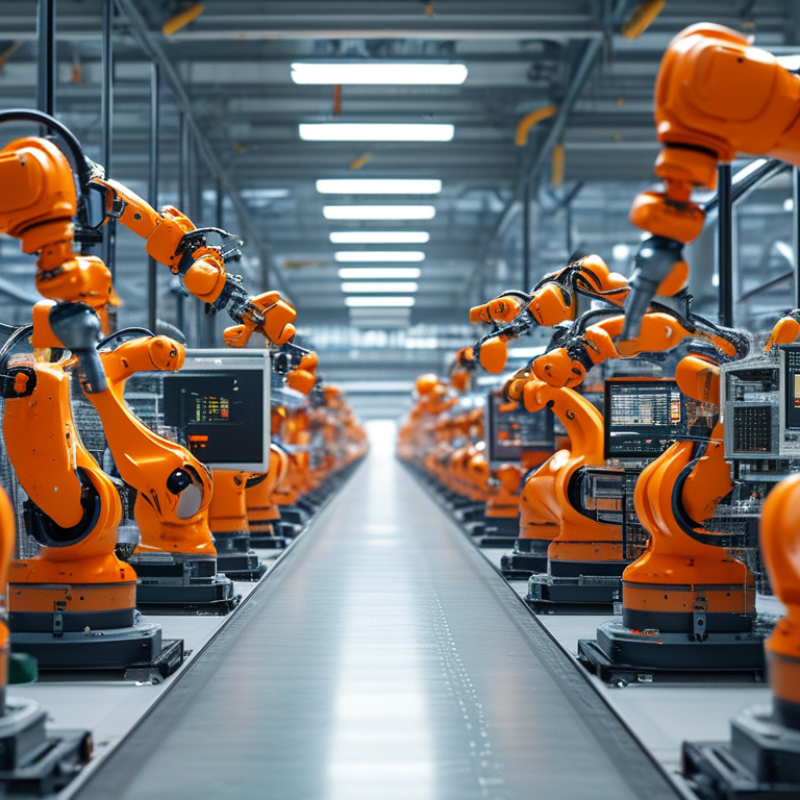
What is Automated Production Systems and How They Benefit Businesses?

What Are Automated Production Systems?

Automated Production Systems (APS) are revolutionizing the manufacturing landscape. These systems integrate technology with production processes to enhance efficiency and consistency. By utilizing robotics, machine learning, and data analytics, businesses can minimize human error and streamline operations. According to a report by McKinsey, companies implementing automation can boost productivity by up to 20% in several sectors.

The benefits are tangible. For instance, APS enable real-time monitoring of production lines. This immediate feedback reduces downtime and ensures product quality. A study from Deloitte suggests that 75% of manufacturers witness significant cost savings after adopting automation. However, it’s crucial to consider the challenges. Transitioning to APS requires significant investment and training. Not every company can easily adapt to these changes.

Furthermore, while automation offers advantages, it may also lead to workforce concerns. Employees may feel threatened by machines taking over their roles. Ensuring a balance between technology and human input is essential. Some experts warn against over-reliance on automated systems. A well-integrated approach can maximize productivity while maintaining a skilled workforce.

Key Components of Automated Production Systems

Automated Production Systems (APS) are reshaping the landscape of manufacturing. These systems increase efficiency and reduce costs, which can directly benefit businesses. Key components of APS include robotics, control systems, and data analytics. Together, these elements streamline processes and enhance productivity.

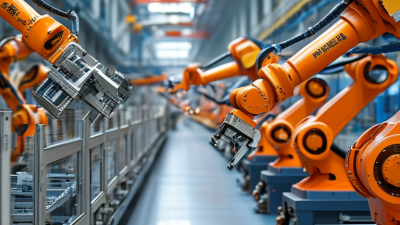
Robotics play a significant role in APS. Studies show that companies using industrial robots see efficiency gains of up to 30%. This technology minimizes human error and can operate continuously. Control systems ensure seamless operation, while data analytics provide insights for continuous improvement. This system allows for quick adjustments to production lines based on real-time data.

Tip: Consider leveraging training programs on robotics to improve team skills. Ensure everyone understands system capabilities. Another tip: regularly review data analytics reports to identify trends. Small adjustments can lead to significant improvements. Embracing these components can be a game changer. Businesses must remain adaptable and responsive to changes in technology.

Types of Automated Production Systems Used in Industries

Automated production systems are transforming industries worldwide. Various types of systems are utilized to enhance efficiency and maximize output. One common type is robotic automation, which allows for high-speed assembly and precision tasks. Robotics can reduce labor costs by up to 30%. This is significant for factories aiming to remain competitive in a global market.

Another type is computer numerical control (CNC) systems. CNC machines automate intricate cutting and machining processes. Reports indicate that CNC systems can improve productivity by around 50%. However, these machines require skilled operators. Such dependency raises concerns about workforce training and retention.

Programmable logic controllers (PLCs) are also prevalent in manufacturing. These devices manage machinery and processes. They can increase accuracy in production lines. Although the implementation of PLCs is effective, integration challenges exist. Companies often struggle with system compatibility and require careful planning to avoid disruptions. This illustrates the complexity of adopting automated systems, underscoring a need for strategic foresight and ongoing assessment.

Benefits of Implementing Automated Production Systems for Businesses

Automated Production Systems (APS) are transforming the landscape of modern manufacturing. Businesses are increasingly adopting these systems to streamline operations and boost efficiency. According to a report by McKinsey, companies implementing automation can experience a productivity increase of up to 20%. This significant improvement can lead to reduced operational costs and faster production times.

The benefits of APS extend beyond just productivity. A study by Deloitte found that 58% of companies reported improved product quality after automating their production processes. Enhanced quality control measures help businesses minimize waste and defects, resulting in higher customer satisfaction. Moreover, APS allows for better data collection and analysis, driving continuous improvement in manufacturing processes.

Tip: Consider starting small with automation. Assess the areas in your production that can benefit the most. Evaluate your workforce's adaptability to these changes, as resistance can slow down implementation. While APS offers numerous benefits, organizations should reflect on their specific needs and potential challenges during the transition. Starting with pilot projects can help identify hurdles and refine approaches for broader implementation.

Challenges and Considerations in Adopting Automated Production Systems

Integrating Automated Production Systems (APS) can revolutionize a business. However, it comes with challenges. Organizations often face concerns about high initial costs. The investment in technology and training can seem daunting. Yet, the long-term efficiency can outweigh these hurdles.

Another challenge is employee resistance. Automation may threaten jobs. It is crucial to involve the workforce in the transition. Communicating the benefits can create a supportive environment. Engaging employees fosters a culture of innovation rather than fear.

**Tip:** Start with a pilot program. A smaller implementation allows for adjustments without overwhelming the entire workforce. Monitor feedback and adapt strategies accordingly.

Data security is another critical consideration. Automated systems can be vulnerable to cyberattacks. Ensuring robust security measures is essential. Companies need to invest in cybersecurity training and tools. This will protect sensitive information.

**Tip:** Regularly update your systems. Keeping software current minimizes vulnerabilities and enhances functionality. Cybersecurity cannot be an afterthought in automation.

Understanding these challenges can enhance the adoption of Automated Production Systems. Thoughtful planning and communication are key to success.

Impact of Automated Production Systems on Operational Efficiency

This chart illustrates the improvements in various operational metrics after the implementation of Automated Production Systems.

×
img

    Contact Info

    PHONE NUMBER

    +1 (619) 661-5985

    EMAIL ADDRESS

    sale@roboticemotion.com

    ADDRESS INFO

    10030 Via de la Amistad San Diego CA 92154, United States