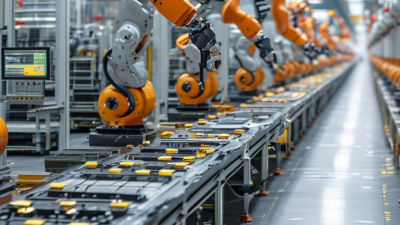
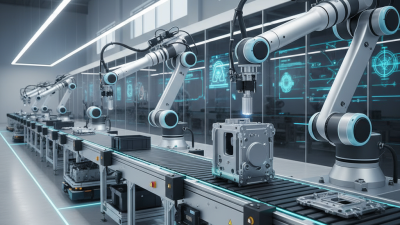
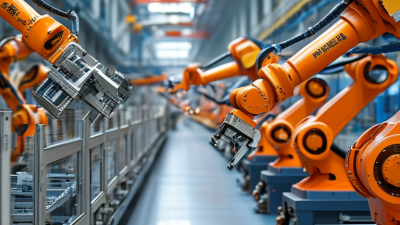
In today’s interconnected world, sourcing strategies are undergoing a crucial transformation. Companies are increasingly turning to intelligent manufacturing systems to enhance their global sourcing efforts. These systems leverage advanced technologies like AI, IoT, and big data analytics. With such tools, businesses can streamline operations and boost efficiency.
However, integrating intelligent manufacturing systems is not without its challenges. Organizations must understand their unique needs and capabilities. Each system requires careful planning and implementation. Moreover, the fast-paced nature of technology can overwhelm teams. Continuous training and adaptation are essential for success.
As industries evolve, intelligent manufacturing systems can provide a competitive edge. They allow for real-time data analysis and improved supply chain visibility. Yet, businesses must remain vigilant. They should regularly assess their strategies and adjust as market trends shift. By doing so, companies can truly leverage these systems for effective global sourcing.

Intelligent Manufacturing Systems (IMS) integrate advanced technologies like IoT, AI, and robotics. These components enhance efficiency and adaptability in global sourcing. Reports indicate that companies utilizing IMS can increase operational efficiency by up to 30%. This significant boost is a strong incentive for businesses aiming to maintain a competitive edge.
The use of real-time data is vital. IMS enables companies to track supply chain processes closely. This technology provides insights that help in demand forecasting. A study showed that 64% of firms believe data-driven decision-making improves their sourcing strategies. However, reliance on data can lead to challenges. Excessive dependence may restrict innovation and adaptability in dynamic markets.
Cybersecurity is another critical component of IMS. Protecting sensitive data from breaches is essential for maintaining trust. Companies must invest in robust security measures, often a challenging aspect of adopting IMS. Balancing automation with human oversight remains a complex issue. Organizations must reflect on how to ensure their workforce can adapt to these technological advancements.
Global sourcing plays a critical role in intelligent manufacturing strategies. As companies adopt smart technologies, sourcing strategies must evolve accordingly. According to a recent report by McKinsey, effective global sourcing can reduce production costs by up to 30%. However, companies often overlook the complexities involved in managing international suppliers. Navigating language barriers and differing regulatory environments can pose significant challenges.
Implementing intelligent manufacturing systems can improve efficiency in global sourcing. These systems facilitate data sharing and real-time communication between stakeholders. A Deloitte study found that organizations leveraging advanced technologies could achieve faster product development cycles and improved quality control. Embracing automation also reduces human error, but organizations must remain cautious of over-reliance on technology.
For successful global sourcing, companies should continuously assess their supply chains. Regular audits can identify vulnerabilities that may affect production. Utilizing artificial intelligence in sourcing decisions can enhance accuracy. Organizations often struggle with integrating AI effectively, which can lead to missed opportunities. Evaluating sourcing partnerships based on performance metrics can lead to better collaborative outcomes in intelligent manufacturing.
| Dimension | Description | Benefits |
|---|---|---|
| Cost Reduction | Utilizing global suppliers to lower production costs. | Improved profit margins and competitive pricing. |
| Supply Chain Flexibility | Adjusting supply sources based on demand changes. | Faster response to market fluctuations. |
| Quality Improvement | Partnering with manufacturers that excel in quality standards. | Increased customer satisfaction and loyalty. |
| Technology Integration | Incorporating IoT and AI in manufacturing processes. | Enhanced efficiency and reduced errors in production. |
| Sustainability | Selecting suppliers with green practices and sustainability certifications. | Improved brand image and compliance with regulations. |
Intelligent manufacturing systems play a critical role in global sourcing by streamlining operations. They enhance efficiency and improve product quality. Manufacturers can quickly adapt to market changes. These systems lead to reduced costs and faster time-to-market. Using data analytics, companies can make more informed decisions. Real-time insights help in predicting demand and managing inventory. Businesses can better align production schedules with sourcing strategies.
Collaboration is another key benefit. Intelligent systems foster better communication across teams and partners. For example, suppliers can have direct access to production data. This transparency builds trust and improves relationships. However, reliance on technology can create vulnerabilities. Organizations must remain agile and keep contingency plans ready. Over-dependence may also limit creativity in problem-solving.
Flexibility is essential in sourcing. Intelligent systems allow customization to meet local demands. They provide options to prioritize sustainability in sourcing decisions. While there are many advantages, not all organizations execute these systems flawlessly. Inefficiencies can arise if teams lack proper training. An investment in education and awareness is necessary for success. Understanding the limitations of intelligent manufacturing is equally important for strategic planning.
Implementing intelligent manufacturing systems poses several challenges in the landscape of global sourcing. Many manufacturers struggle with integrating advanced technologies into existing infrastructures. A report by McKinsey highlights that only 30% of companies have successfully digitized their operations. This gap illustrates the urgent need for strategic planning and adaptation.
Data security is a major concern. The potential for cyberattacks increases with smart systems. According to a 2022 Gartner study, 60% of businesses experienced a breach related to their smart technologies. This situation highlights the need for robust security protocols. Companies must prioritize not just technological upgrades, but also safeguard measures. Investing in cybersecurity training for employees can mitigate risks.
A lack of skilled workforce remains a significant hurdle. Many organizations find it challenging to recruit professionals trained in intelligent manufacturing. The World Economic Forum projects a shortfall of over 1 million skills in advanced manufacturing by 2025. Addressing this skills gap through partnerships with educational institutions is vital. Retraining existing employees can also bridge this divide. Fostering a culture of continuous learning can empower teams to navigate the complexities of intelligent systems.
Intelligent manufacturing systems are transforming global sourcing strategies. These advancements provide businesses with real-time data, enhancing decision-making processes. Companies utilizing smart manufacturing technologies have reported significant improvements in supply chain efficiency. For instance, a manufacturer adopted predictive analytics to anticipate demand fluctuations. This enabled them to adjust their sourcing strategies promptly.
Another case highlights a company that integrated IoT devices on the factory floor. These devices monitored production in real-time. By analyzing this data, they optimized inventory levels. This reduced excessive stock while ensuring materials were available when needed. However, such implementations are not without challenges. Many organizations struggle with data integration and employee training.
Success often depends on collaboration and continuous feedback loops. Engaging cross-functional teams can enhance the effectiveness of intelligent systems. Yet, businesses must remain aware of potential pitfalls, such as over-reliance on technology. Balancing human insight with automated systems is crucial for sustainable global sourcing. Engaging stakeholders in this journey helps refine strategies and address unforeseen issues.
+1 (619) 661-5985
sale@roboticemotion.com
10030 Via de la Amistad San Diego CA 92154, United States
We can supply pre-cut pipes and roller tracks, with the appropriate number of joints and accessories; delivered in kit form as per your specifications.