What is Automation Engineering Systems and How Do They Work?

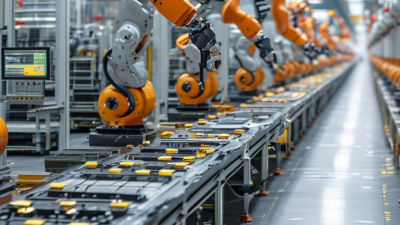
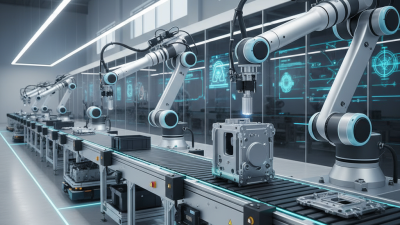
Automation engineering systems are revolutionizing industries by streamlining operations and enhancing efficiency. These systems integrate various technologies, enabling machines to perform tasks automatically. They are crucial in manufacturing, logistics, and even healthcare, where precision and speed are paramount.

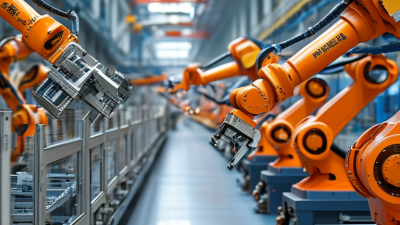
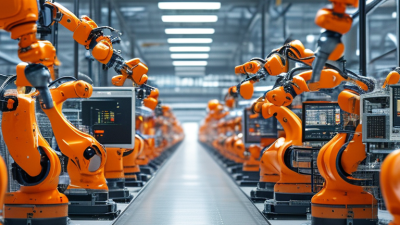
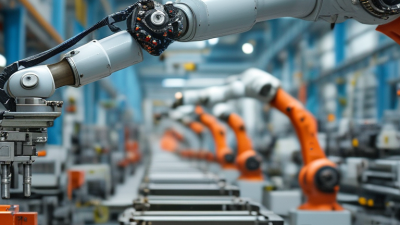
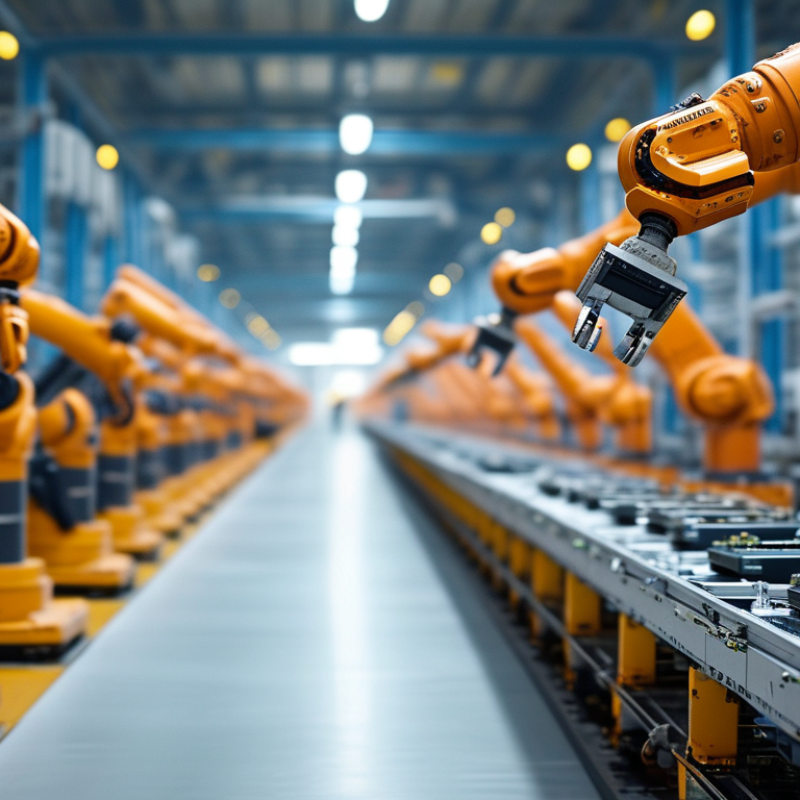
The foundation of automation engineering systems lies in their ability to reduce human intervention. This leads to decreased errors and improved productivity. For instance, robots in factories can work tirelessly, performing repetitive tasks with consistent accuracy. However, as we embrace these advancements, it is vital to reflect on potential challenges, such as job displacement and the need for skilled technicians.

Understanding automation engineering systems is essential for professionals in various fields. It involves not only technical knowledge but also an awareness of the ethical implications. As we continue to innovate, finding a balance between automation and human roles will be critical for sustainable growth.
What is Automation Engineering Systems and How Do They Work?

What is Automation Engineering Systems?

Automation engineering systems play a vital role in enhancing efficiency across various industries. These systems integrate technology to automate tasks, reducing human intervention. According to recent reports, the global automation market is projected to reach over $600 billion by 2026, highlighting the growing demand for automation solutions.

At its core, automation engineering involves using control systems to manage machinery and processes. This can include robotics, sensors, and software tools. For instance, in manufacturing, automation helps streamline operations, minimize errors, and increase production rates. A study revealed that automation can improve operational efficiency by as much as 30%.

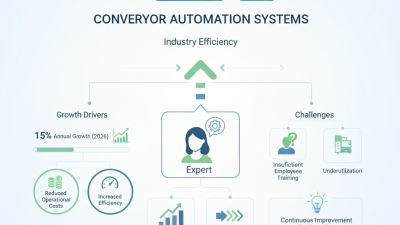
However, the transition to automation is not without challenges. Many companies face obstacles like high initial investment costs and the need for skilled labor to manage these systems. Additionally, the integration of automation may lead to job displacements, prompting concerns about workforce readiness. Continuous training and development are crucial to address these issues and harness the full potential of automation engineering systems. The balance between technology and human resources remains a critical focus as industries advance toward a more automated future.

Key Components of Automation Engineering Systems

Automation engineering systems play a vital role in modern industries by optimizing processes and increasing efficiency. Key components of these systems include sensors, controllers, and actuators. Sensors gather data from the environment, enabling systems to react to changes in real time. They can track variables like temperature, pressure, and flow rates, providing crucial feedback for control algorithms.

Controllers interpret the data received from sensors. They analyze it and make decisions based on programmed logic. These decisions initiate actions through actuators. Actuators then manipulate physical elements, such as moving a robotic arm or adjusting a valve. This seamless interaction ensures efficiency and accuracy in operations, but challenges remain. Systems can face issues like sensor drift or communication failures, which necessitate ongoing monitoring and calibration.

The integration of these components is crucial, yet not without flaws. Sometimes, data may be misinterpreted, leading to poor system responses. Moreover, the complexity of automation systems can hinder troubleshooting efforts. Engineers must balance sophistication with user-friendliness. As technology evolves, it is essential to continually adapt and refine these systems. Real-world applications should consider practical constraints and human factors to enhance reliability and effectiveness.

How Automation Engineering Systems Improve Efficiency

Automation Engineering Systems serve to streamline various processes across industries. These systems enhance productivity by minimizing human intervention, allowing machines to perform repetitive tasks. By automating processes like data entry and manufacturing, organizations can achieve greater consistency and accuracy. As a result, they free up human resources to focus on more complex activities that require critical thinking.

Efficiency gains are seen in faster output and reduced errors. For instance, automation in a manufacturing line can cut production time significantly. However, businesses must also be aware of the challenges. Integrating new systems can be complex. Some employees might resist changes, fearing job loss. These human factors need careful consideration to foster a smooth transition. Continuous training and support can help alleviate these concerns and ensure the system is optimally utilized.

The impact on overall operational costs is notable. While initial investments may be high, the long-term savings from increased efficiency can be substantial. Nevertheless, not all automated solutions fit every organization's needs. Customization is crucial. Understanding specific requirements is vital to avoid the pitfalls of a one-size-fits-all approach. Regular assessment of system performance will help in identifying areas for improvement.

What is Automation Engineering Systems and How Do They Work? - How Automation Engineering Systems Improve Efficiency

Dimension Description Impact on Efficiency
Process Automation Automating repetitive tasks to reduce human error Increases accuracy and speed of operations
Data Collection Continuous monitoring of processes for real-time data Facilitates informed decision-making and optimization
Quality Control Automated inspection systems for product quality assurance Reduces defects and enhances product reliability
Resource Management Optimizing use of materials and human resources Decreases waste and lowers operating costs
Maintenance Automation Predictive maintenance systems to preempt failures Minimizes downtime and enhances equipment lifespan

Applications of Automation Engineering in Various Industries

Automation engineering plays a critical role across various industries, revolutionizing processes and enhancing efficiency. In manufacturing, automation systems are integral in streamlining production lines. According to a report by McKinsey, companies that adopted automation saw productivity improvements of up to 30%. This shift not only reduces labor costs but also enhances the quality of output through precision.

In the healthcare sector, automation engineering facilitates patient monitoring and data management. Automated systems can analyze vital signs in real-time, significantly improving response times. A recent study indicated that hospitals employing automation technology achieved a 40% reduction in adverse events, reflecting its invaluable role in patient safety.

When implementing automation structures, consider the necessity of a thorough assessment. Understanding existing hinderances can help optimize process flows better. Regular evaluations of these systems are crucial. Engineering that does not adapt to new data or challenges may hinder prospective advancements.

Investing in training for staff is vital too. Knowledge gaps can create operational risks. Well-informed employees can efficiently handle and troubleshoot automated systems, maintaining operational integrity. Continuous feedback loops in these systems can foster ongoing improvement while addressing potential flaws proactively.

Future Trends in Automation Engineering Systems

The landscape of automation engineering systems is rapidly evolving. Advances in artificial intelligence and machine learning are driving innovations. These trends are reshaping industries from manufacturing to healthcare. More companies are adopting smart automation to enhance efficiency. However, this shift also presents challenges. Many organizations struggle to integrate these advanced technologies into their existing systems.

As automation continues to develop, data management becomes vital. Handling vast amounts of data is crucial for making informed decisions. Real-time analytics can provide insights that were previously unavailable. Yet, some organizations find themselves overwhelmed. They must invest in training to navigate these new tools effectively. The reliance on automation raises concerns about job displacement. Finding a balance between automation and human oversight is essential.

Looking ahead, sustainable automation practices will be important. Businesses are increasingly prioritizing eco-friendly solutions. Automation systems can reduce waste and optimize processes. However, achieving sustainability in automation requires ongoing effort. Companies must evaluate the long-term impact of their technologies. Keeping up with these trends will demand flexibility and adaptation to change.

Automation Engineering Systems: Future Trends in Automation

×
img

    Contact Info

    PHONE NUMBER

    +1 (619) 661-5985

    EMAIL ADDRESS

    sale@roboticemotion.com

    ADDRESS INFO

    10030 Via de la Amistad San Diego CA 92154, United States