Why Do Buyers Choose Intelligent Manufacturing Systems?
Why do buyers choose intelligent manufacturing systems? The answer is rarely just automation. Buyers want steadier output, faster decisions, and fewer surprises on the factory floor. A sensor flags a motor running hot; a planner can adjust the schedule before the production line stops. That matters. Deloitte’s 2024 Smart Manufacturing Survey covered 600 manufacturing executives. It found that 86% expect smart manufacturing to drive competitiveness over the next five years. This is a measure of executive expectations, not a promise of results for every plant.
The World Economic Forum’s Global Lighthouse Network reports provide another useful reference. They document manufacturers applying digital technologies to improve operations, workforce practices, and resource use. The practical lesson is not that every factory needs the same tools. A buyer may value machine monitoring, while another needs better production planning or traceability. The strongest case often begins with a specific bottleneck, such as recurring downtime or delayed quality checks, rather than a broad technology wish list. Still, a polished dashboard cannot fix unreliable data or unclear processes. That gap deserves attention. Implementation takes training, integration, and time, and benefits can vary across sites. Buyers therefore compare expected gains with the work required to achieve them. In this article, we examine why intelligent manufacturing systems attract investment, what outcomes buyers seek, and which questions help separate measurable value from appealing promises.
What Intelligent Manufacturing Systems Include
Why Do Buyers Choose Intelligent Manufacturing Systems?
What Intelligent Manufacturing Systems Include
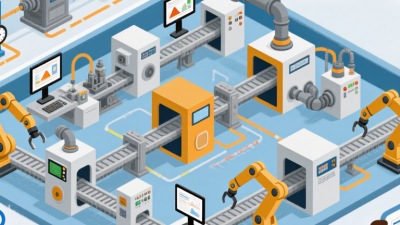
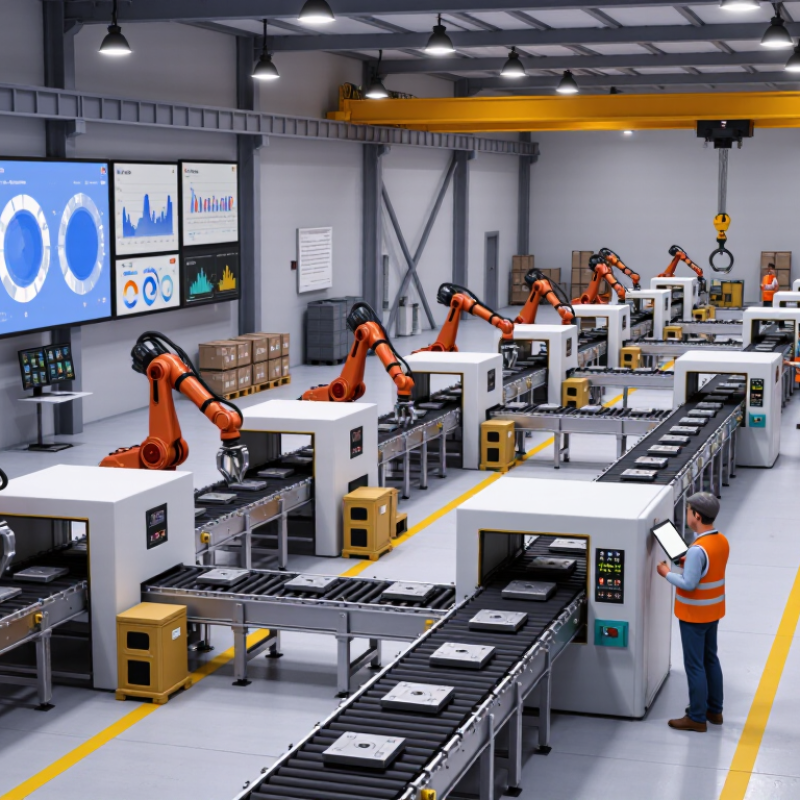
An intelligent manufacturing system is a connected set of machines, software, people, and operating procedures—not a single robot. On the shop floor, sensors can track motor temperature, vibration, production counts, or material flow. Controllers collect signals from equipment and support actions such as adjusting a machine’s speed. Small signals matter.
Connectivity links production equipment with planning and operations software. Manufacturing execution tools can record work orders, shift output, and inspection results. Inventory systems help teams see whether parts are available before a job begins. A useful setup lets an operator trace a product from its material batch to its final quality check, without searching through paper logs.
Some systems add machine vision, automated handling, or analytics that flag unusual patterns. These tools can help teams investigate recurring stoppages, but they do not explain every cause correctly. Data needs context. A sensor reading may reflect a real fault, or simply a changed operating condition. Cybersecurity, staff training, and clear data ownership also belong in the system design. In practice, older machines and inconsistent records can make integration slower than expected, so buyers should check how each component will work with existing processes.
Which Production Challenges Buyers Aim to Solve
Buyers choose intelligent manufacturing systems to address specific production problems, not simply to add automation.
A delayed order may begin with a machine fault, but poor visibility can hide the cause until a shift is lost. Operators need timely alerts, while planners need reliable information about materials, capacity, and work in progress. Deloitte’s 2024 Smart Manufacturing Survey found that 92% of manufacturers viewed smart manufacturing as a key competitiveness driver over the next three years. The ambition is clear. The hard part is connecting useful data to everyday decisions.
Downtime, inconsistent quality, and labor shortages often drive purchasing discussions.
Sensors can flag unusual vibration before a motor fails; machine-vision checks can catch a misaligned component before it reaches packing. The International Federation of Robotics reported 4.28 million industrial robots operating worldwide in 2023, up 10% from 2022. That scale shows how widely automation is spreading, but it does not prove every factory needs more robots. Not every bottleneck does. Buyers also need systems that work with older equipment and give staff clear, actionable instructions. A dashboard full of alarms can become another distraction, and integration costs are easy to underestimate. One unresolved question is whether teams have enough time and training to act on the data.
How Buyers Evaluate System Capabilities and Costs
Buyers rarely judge an intelligent manufacturing system by its dashboard alone. They ask whether it can connect to existing machines, capture reliable sensor readings, and give operators useful alerts. A polished demo proves little if the system struggles with an older controller or drops data during a busy shift. Test it on a representative production line. Watch what happens when a machine stops, a reading looks unusual, or an operator needs to correct an entry. Small details matter.
Costs need the same close attention. Compare setup fees, software charges, hardware, staff training, maintenance, and future upgrades—not just the purchase price. Ask who can access production data and how easily it can be exported. Then estimate downtime during installation and the time needed for workers to adapt. A limited pilot can reveal gaps before a full rollout. Keep the scope realistic. A spreadsheet may make savings look precise, but assumptions about reduced waste or faster changeovers can be wrong. Buyers should record actual baseline results, then revisit them after the pilot. That extra measurement takes effort. It can also expose costs that a sales presentation never shows.
What Operational Benefits These Systems Can Provide
At 6 a.m., a press-line sensor can flag rising vibration before operators hear it. A maintenance team can inspect the bearing during a planned pause, rather than after an unexpected stop. Live production data also helps supervisors identify a stalled station, rebalance work, and adjust schedules before orders fall behind. That matters. Deloitte’s 2024 Smart Manufacturing and Operations Survey reports that respondents achieved 10–20% higher production output, 7–20% higher employee productivity, and 10–15% more capacity unlocked. These are reported ranges, not guaranteed outcomes.
Predictive maintenance can make those gains more tangible. McKinsey’s 2018 analysis estimated that it could cut machine downtime by 30–50%. Still, installing sensors alone does not prevent stoppages. Teams need reliable data, clear maintenance procedures, and time to act on alerts. A quality system can flag a dimension drifting out of tolerance, while production software traces the affected batch and helps staff isolate the issue. That saves rework. Integration is rarely perfect; older equipment may produce gaps or inconsistent readings. When alerts become noise, operators may ignore them. Useful systems therefore connect shop-floor signals with decisions people can verify, not just attractive dashboards.
Which Factors Shape Adoption and Implementation
Adoption rarely starts with a fascination with robots. It starts with a stubborn production problem: late orders, excess scrap, or machines sitting idle between shifts. Buyers look for systems that address these specific costs, not just impressive demonstrations. A useful evaluation compares expected gains with installation, training, maintenance, and downtime expenses. The numbers matter.
Implementation depends heavily on the factory’s existing data and equipment. Older machines may use inconsistent formats, while production records may be incomplete. Before connecting sensors or analytics, teams need to check what data is reliable and where it comes from. Otherwise, a polished dashboard can display a confident but misleading picture. That risk deserves attention.
People and processes shape adoption just as much. Operators need practical training, clear escalation steps, and a way to question automated recommendations. A short pilot on one production line can reveal whether alerts arrive at useful times or simply add noise. It can also expose integration problems before a wider rollout. Yet plans often look neater on paper than they do at shift change. Buyers should ask who will maintain the system, how updates affect workflows, and what happens when connectivity fails. Small details, like a sensor being blocked by routine cleaning, can matter.
Why Do Buyers Choose Intelligent Manufacturing Systems?
Global industry’s energy footprint highlights why efficiency, monitoring, and process optimization can motivate investment.
In 2022, industry accounted for 37% of global energy use and about 25% of energy-related CO₂ emissions. These figures indicate the scale of the efficiency opportunity; they are not buyer survey results. Source: International Energy Agency (IEA), industry sector data.
Intelligent systems can help manufacturers monitor energy use and improve process performance. Implementation decisions also depend on integration with existing equipment, investment costs, cybersecurity, and workforce skills.