What Are Digital Manufacturing Systems and How Do They Work?

Digital manufacturing systems connect design, production, machines, and business data in one working environment. They turn a digital drawing into measurable manufacturing activity. A CAD model can guide a CNC machine, while sensors record temperature, vibration, speed, and output. Manufacturing execution systems then organize schedules, quality checks, materials, and worker instructions. The result is not simply a smarter factory. It is a factory that can explain what happened.

Autodesk’s former chief executive, Carl Bass, described this direction clearly: “The future of making things is digital.” His statement captures the central idea behind digital manufacturing systems. Data moves between engineering software, industrial equipment, cloud platforms, and people on the production floor. A digital twin may show how a machine behaves before engineers change the physical process. A dashboard may reveal a delayed order before it becomes a customer complaint. Small signals matter.

Still, the technology is not magic. Poor data can produce confident but useless decisions. Older machines may resist integration. Employees may also need time, training, and trust. That human detail is easy to overlook. A system can be technically advanced and operationally weak. This article explores how digital manufacturing systems work, where their value appears, and why implementation requires more than installing software. It considers architecture, automation, real-time monitoring, cybersecurity, and practical return on investment. Some explanations will simplify complex engineering choices. That limitation deserves attention. Understanding the gaps may be as important as understanding the tools.
What Are Digital Manufacturing Systems and How Do They Work?

What Are Digital Manufacturing Systems?

Digital manufacturing systems are connected tools that turn production data into practical decisions.

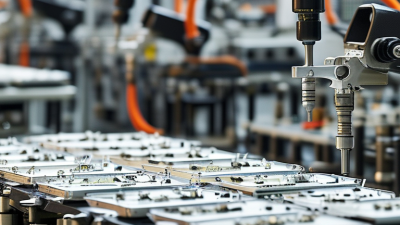
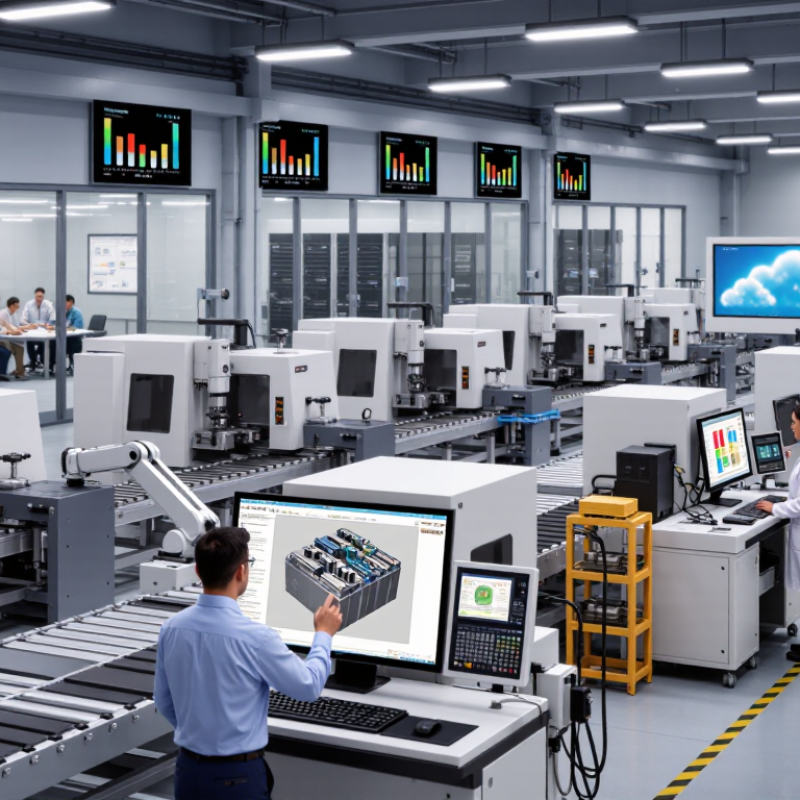
They link machines, sensors, software, product designs, and workers across a factory. A digital model may describe a part’s dimensions, materials, tolerances, and expected performance. Sensors then record temperature, vibration, speed, energy use, and other operating conditions. The system stores these readings in a shared data environment.

The process is highly structured. An engineer creates or adjusts a digital design before production begins. Simulation software can test assembly steps, material use, and possible defects. During manufacturing, controllers send instructions to equipment while sensors report actual results. For example, unusual vibration may indicate tool wear before a surface becomes visibly damaged. Operators can inspect the alert, check the machine, and decide whether to pause production. Human judgment still matters.

Digital manufacturing systems are not magic. Data can be delayed, incomplete, or recorded incorrectly. A clean dashboard may still reflect a poorly calibrated sensor. In my experience, reliable results depend on routine maintenance, clear data standards, and trained staff. Security controls also protect production records from unauthorized changes. Some factories adopt these systems gradually, because replacing every process at once creates unnecessary risk.

The less impressive details often matter most: accurate timestamps, consistent measurements, and a technician who questions an unusual result.

What Components Make Up a Digital Manufacturing System?

What Are Digital Manufacturing Systems and How Do They Work?

What Components Make Up a Digital Manufacturing System?

A digital manufacturing system connects machines, people, software, and production data. Sensors capture temperature, vibration, speed, energy use, and tool wear. Controllers then send these signals through an industrial network. The data platform stores and organizes them for analysis. On the factory floor, manufacturing execution software can track work orders, materials, quality checks, and operator actions. It creates a shared view of production. Still, a dashboard cannot fix poor processes.

Analytics tools identify unusual patterns and predict possible equipment failures. A digital twin can represent a machine, line, or complete process. Engineers use it to test changes before disturbing live production. Human expertise remains essential. Operators often notice a strange sound before an algorithm detects it. Cybersecurity controls, access rules, backups, and data validation protect the system. Integration is usually difficult. Older equipment may lack suitable communication ports, while inconsistent data labels can distort reports.

Tips: Start with one measurable problem, such as repeated stoppages or excessive scrap. Check sensor accuracy before trusting automated recommendations. Use clear naming rules for machines and materials. Train operators during deployment, not after it. Review the system regularly, because production conditions change. Perfect data is unrealistic. Reliable improvement is the real target.

What Are Digital Manufacturing Systems and How Do They Work? - What Components Make Up a Digital Manufacturing System?

System Component Primary Role Typical Data or Inputs Main Outputs How It Supports Digital Manufacturing
Product Design and CAD Creates and manages digital product definitions. 3D models, drawings, dimensions, tolerances, materials, revision information. Approved product models, manufacturing specifications, design revisions. Provides the authoritative geometry and technical requirements used throughout production.
Product Lifecycle Management Controls product information, workflows, approvals, and revisions. Engineering changes, document versions, approval records, lifecycle status. Controlled records, release notices, change histories, approved manufacturing data. Maintains traceability and ensures that production uses current, authorized information.
Manufacturing Process Planning Defines how a product will be made, assembled, inspected, and moved. Operation sequences, work instructions, labor requirements, tooling, process parameters. Routings, standardized procedures, setup instructions, resource assignments. Converts design intent into repeatable and executable production processes.
Manufacturing Execution System Coordinates and monitors production activities on the shop floor. Work orders, operator confirmations, production quantities, downtime, quality events. Production status, electronic records, performance reports, dispatch instructions. Creates real-time visibility between planned work and actual manufacturing execution.
Enterprise Resource Planning Manages business-level planning, purchasing, inventory, costing, and orders. Customer orders, bills of materials, inventory balances, supplier data, financial records. Production plans, purchase requirements, inventory transactions, cost information. Connects manufacturing activity with supply-chain and business planning.
Industrial Automation and Control Controls machines, production cells, material handling, and automated sequences. Sensor signals, machine states, control commands, setpoints, alarms. Actuator commands, machine cycles, status signals, alarm notifications. Links digital instructions with physical production equipment.
Industrial Internet of Things Collects and communicates data from machines, tools, products, and facilities. Temperature, vibration, energy use, pressure, cycle time, equipment status. Time-stamped operational data, alerts, condition indicators, historical datasets. Enables monitoring, analytics, predictive maintenance, and process optimization.
Data Integration and Connectivity Moves data securely between engineering, business, production, and equipment systems. Structured records, machine messages, events, APIs, production transactions. Synchronized data, transformed records, system notifications, shared context. Creates a connected information flow and reduces isolated data sources.
Quality Management Plans inspections, records defects, and supports corrective actions. Inspection results, measurement values, sampling plans, nonconformities. Acceptance decisions, inspection records, defect trends, corrective-action tasks. Improves process consistency and provides evidence that requirements were met.
Simulation and Digital Twin Represents products, processes, equipment, or facilities for analysis and testing. 3D geometry, process rules, equipment behavior, operating conditions, live sensor data. Predicted cycle times, capacity results, bottleneck analysis, virtual test outcomes. Allows evaluation of changes before physical implementation and supports optimization.
Analytics and Visualization Transforms manufacturing data into operational insights. Production counts, cycle times, downtime, scrap, yield, energy consumption. Dashboards, trends, alerts, key performance indicators, improvement recommendations. Helps teams identify losses, compare performance, and make evidence-based decisions.
Maintenance Management Plans preventive work and responds to equipment conditions or failures. Asset records, operating hours, fault codes, maintenance history, condition data. Work orders, maintenance schedules, spare-parts requirements, failure reports. Supports equipment availability, reliability, and reduced unplanned downtime.
Cybersecurity and Access Control Protects manufacturing systems, data, devices, and user access. User identities, permissions, security events, network activity, configuration records. Access decisions, audit trails, security alerts, incident records. Reduces unauthorized access and helps preserve data confidentiality, integrity, and availability.
Typical Digital Manufacturing Flow: Product data is designed and approved, manufacturing processes are planned, work is scheduled and executed, equipment and sensors generate operational data, quality results are captured, and analytics feed continuous improvement back into the production system.

How Does a Digital Manufacturing System Work Step by Step?

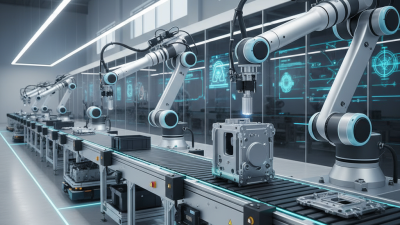
A digital manufacturing system turns production data into timed, practical decisions. It begins with sensors on machines, tools, and inspection stations. These devices record temperature, vibration, speed, pressure, and cycle time. A gateway then collects the signals and sends them to a secure data platform. The system must identify each machine correctly. Small labeling errors can distort later analysis.

Software cleans the incoming data and links it with production orders, maintenance records, and quality results. Operators see live dashboards near the line. Engineers can compare today’s cycle time with historical performance. If vibration rises beyond a defined limit, the system can create a maintenance alert before failure occurs. The World Economic Forum’s 2023 Global Lighthouse Network report found that leading factories achieved productivity gains averaging about 40 percent through connected technologies and redesigned workflows.

The system next applies analytics, simulation, or machine learning to recommend an action. A supervisor may slow a process, replace a tool, or adjust material flow. The decision returns to the factory through work instructions, machine settings, or scheduling updates. Results are measured again, creating a continuous feedback loop. Industry research published in 2024 found that data quality and workforce skills remain major barriers to smart manufacturing adoption. That matters. A fast system built on incomplete data can make mistakes faster. Human review is still necessary, especially when conditions change unexpectedly.

What Are Digital Manufacturing Systems and How Do They Work?

A digital manufacturing system connects product data, production planning, machines, inspection, and analytics. The chart shows a representative 100-minute production order and how the workflow progresses step by step.

The process begins with a digital product definition, converts it into a production plan, validates the process through simulation, executes the work on connected equipment, verifies quality, and uses production data for continuous improvement.

Which Technologies Enable Digital Manufacturing?

Digital manufacturing links machines, workers, and production data in one operational system. Sensors measure vibration, temperature, speed, and energy use on the factory floor. Industrial networks send this data to edge computers or cloud platforms. Software then detects patterns, supports maintenance, and adjusts production decisions. Deloitte’s 2024 Smart Manufacturing and Operations Survey found that 86% of manufacturers expect smart manufacturing to become a major competitiveness driver within five years.

Several technologies make this possible. Industrial Internet of Things devices create a live data stream. Manufacturing execution systems track orders, quality checks, and machine status. Digital twins simulate a production line before engineers change it physically. Artificial intelligence can identify unusual vibration before a bearing fails, although false alarms still happen. The World Economic Forum’s Future of Jobs Report 2023 found that 86% of surveyed organizations expect artificial intelligence and information-processing technologies to transform business by 2027. That expectation is significant, but implementation is rarely clean. Old machines may lack compatible interfaces. Data can also be incomplete.

Tips: Start with one measurable problem, such as unplanned downtime. Install sensors at a critical machine, define data ownership, and test alerts with experienced operators. Keep human approval for high-impact decisions. A technically impressive dashboard is not automatically useful. Review its results after each production shift.

What Are the Main Applications and Benefits?

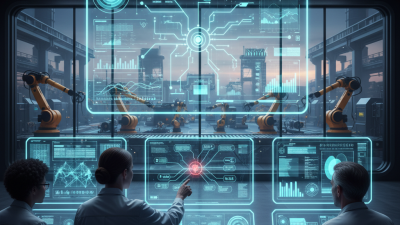
Digital manufacturing systems connect machines, sensors, production software, and workers through shared data. Sensors record temperature, vibration, speed, and material usage. The system then analyzes these signals in real time. It can adjust schedules, flag abnormal equipment, or guide an operator through a digital work instruction. A digital twin may also simulate a production change before the factory applies it physically.

The applications are practical and measurable. Predictive maintenance can identify rising vibration before a motor fails. Automated inspection can detect scratches, missing parts, or incorrect dimensions. Production planning tools can match orders with available machines and materials. Energy-monitoring systems can reveal when idle equipment continues consuming power. Deloitte’s 2023 Smart Manufacturing and Operations Survey found that manufacturers reported expected improvements of 10% to 12% in output, productivity, and unlocked capacity. These figures show potential, not guaranteed results.

The benefits also include shorter changeovers, better traceability, and faster responses to quality problems. The World Economic Forum’s Global Lighthouse Network reports that advanced factories have achieved productivity gains alongside reductions in lead time and defects. However, implementation is rarely smooth. Poor sensor data can produce confident but wrong decisions. Old equipment may need expensive integration. Workers also require training, not just new screens. The gains are not automatic. A careful pilot, clear data ownership, and human review remain essential, especially when production conditions change unexpectedly.

×
img

    Contact Info

    PHONE NUMBER

    +1 (619) 661-5985

    EMAIL ADDRESS

    sale@roboticemotion.com

    ADDRESS INFO

    10030 Via de la Amistad San Diego CA 92154, United States