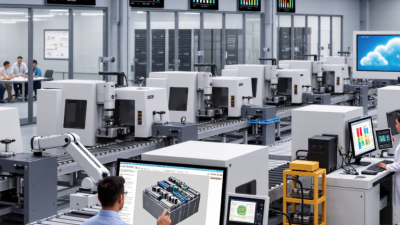
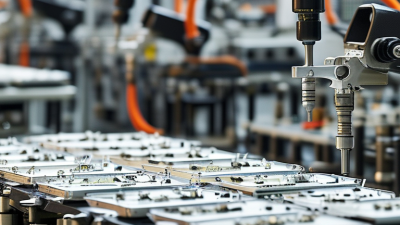
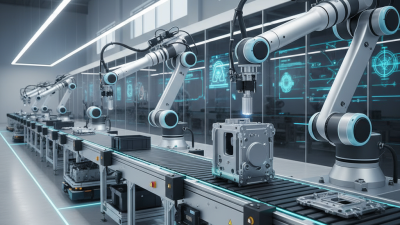
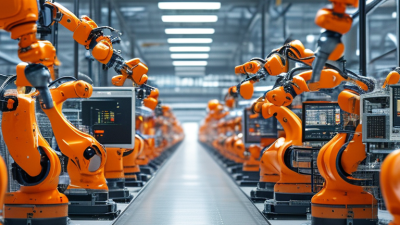
Global buyers evaluating digital manufacturing systems face a practical challenge: matching software to real factory conditions. A plant running mixed-age machines needs different tools from a new, highly automated facility. The strongest platforms connect production planning, machine data, quality records, and maintenance workflows without hiding operational complexity. That connection matters.
Digital twin pioneer Michael Grieves described a digital twin as “a set of virtual information constructs that fully describes a potential or actual physical manufactured product.” His work helps explain why accurate product and process data matter. Yet a digital twin is not a requirement for every buyer. A clear production dashboard or reliable quality-tracking system may solve a more urgent problem.
This guide compares systems through the needs buyers can verify: deployment options, integration capabilities, usability, cybersecurity controls, scalability, and support across regions. It also considers the less visible details, such as whether operators can read instructions on a crowded shop floor and whether a supplier can support a site in another time zone. A polished demonstration is not proof of a successful rollout. Ask for references, measurable results, and a pilot using representative machines and workflows. Still, no checklist removes every risk. Local processes are often messier than vendor presentations suggest. The right choice is the system your teams can adopt, maintain, and improve—not simply the one with the longest feature list.
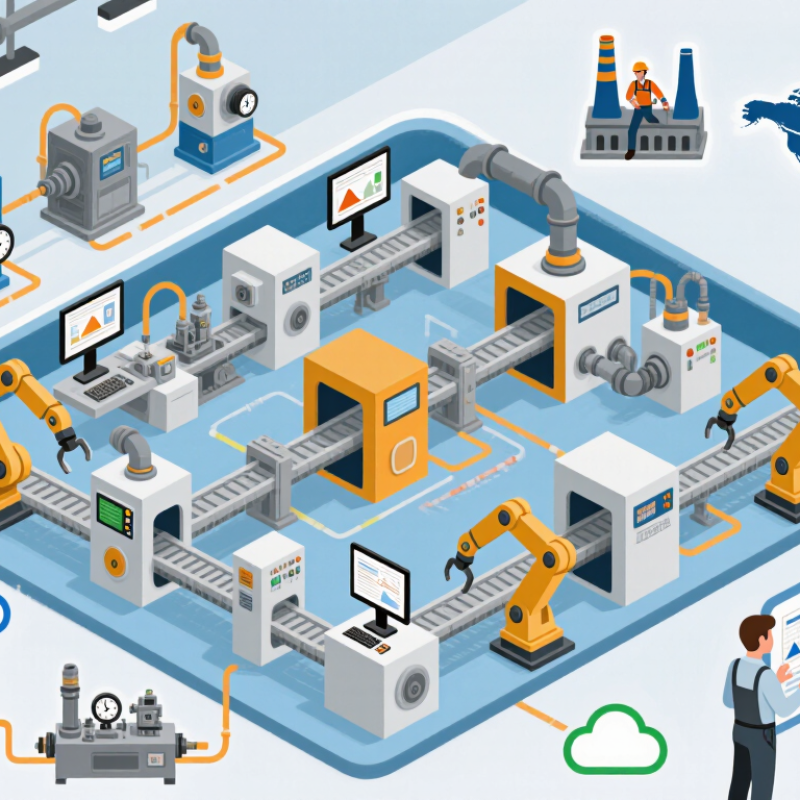
A digital manufacturing system connects production planning, machines, workers, and quality records through shared software and data. It may include scheduling tools, machine sensors, production dashboards, and digital work instructions. The goal is not simply to collect numbers. It is to help teams see what is happening and decide what to do next.
A typical workflow starts with an order and its specifications. The system turns them into a production plan, then sends tasks to machines or operator screens. Sensors can report cycle times, temperature, or machine stops.
For example, a dashboard might show that one press is running slowly while its next scheduled job requires a different tool. A supervisor can adjust the sequence before the delay spreads. Quality checks can also link a measurement to a batch and its production conditions.
These systems depend on accurate setup and consistent data. A sensor that is poorly calibrated can make a neat chart misleading. So can an outdated work instruction. Teams usually need to define who enters information, who reviews alerts, and how records are corrected. The software cannot fix unclear processes by itself. Still, the dashboard can look more certain than the shop floor really is. A short daily review, with operators checking alerts against what they observe, helps expose that gap.
For global buyers, a leading digital manufacturing system connects planning, production, quality, and inventory without obscuring operational gaps. It should exchange data with existing equipment and business software through documented interfaces, reducing manual re-entry. That matters. When a line slows, supervisors need timely signals, not yesterday’s spreadsheet.
Real-time dashboards should show practical details: machine status, work orders, material shortages, and inspection results. Scheduling tools need to adjust when a supplier shipment arrives late or a machine stops unexpectedly.
Quality functions should link measurements to specific batches, processes, and corrective actions. This makes investigations more precise, though data is only useful when staff enter it consistently. A tidy dashboard can still reflect messy operations.
Strong systems also support role-based access, reliable backups, and clear records of changes. Buyers should check how the platform handles multiple sites, local workflows, and different levels of connectivity.
Analytics may reveal recurring downtime, but forecasts should be tested against shop-floor experience. Not every anomaly has an obvious cause. During evaluation, teams can run a pilot on one production cell, compare system records with operator observations, and document what still requires manual work.
Global buyers should compare digital manufacturing systems against actual plant conditions, not polished demonstrations. Map each platform to three workflows: order changes, machine downtime, and quality holds. Ask vendors to show a live production scenario, including a delayed sensor feed and a rejected batch. Small details reveal integration limits. Check whether the system connects with existing equipment, handles multiple sites, and records data consistently across shifts. A low license price means little if operators must re-enter production data by hand.
Use measurable criteria. Compare deployment time, data portability, cybersecurity controls, local support, and total operating cost over five years. Deloitte and MAPI’s 2019 smart factory study found that 86% of surveyed manufacturers expected smart factory initiatives to be a key competitiveness driver by 2025. That forecast signals broad interest, not guaranteed returns. Request evidence from comparable factories, and verify claimed gains against a baseline. Ask who owns configuration changes after launch. The answer may be less polished than the demo. Buyers should also test poor-network conditions and multilingual interfaces; these are easy to overlook during procurement, yet costly on a busy factory floor.
Digital manufacturing systems serve different needs, so global buyers should begin with daily production challenges. A small workshop may need clear work orders, machine schedules, and basic inventory visibility. A multi-site manufacturer may require shared production data, role-based access, and consistent reporting across facilities. The best fit depends on existing equipment, staff skills, and the pace of planned growth. Fit matters.
For teams focused on traceability, look for tools that connect material records with production steps and inspection results. Companies seeking faster planning may prioritize live capacity views and alerts for machine delays. Integration matters, too: confirm that a system can exchange data with current business software and older equipment. Ask vendors to demonstrate real workflows, not polished slides. A neat dashboard can still hide awkward daily tasks.
Tips: Test one production line before a wider rollout. Use sample orders, including a late material delivery, and watch how staff handle the changes. Check training time, support coverage, and data export options. Start small. Record what feels confusing; those notes may reveal gaps that a formal feature list misses. No system fixes unclear processes on its own, and buyers may need to revise their requirements after the first trial.
A digital manufacturing system may work well in a pilot and still struggle across borders. Global deployment depends on more than installing software. Buyers should map each site’s network capacity, equipment age, shift patterns, and support hours before rollout. A production line with intermittent connectivity may need local data buffering. A plant using older controllers may require gateways and extra testing. Small details matter.
Integration deserves the same practical scrutiny. Confirm how the system exchanges data with planning, quality, maintenance, and warehouse tools. Agree on shared identifiers for products, machines, and work orders; inconsistent naming can quietly distort reports. Test real scenarios, such as a delayed material delivery or a rejected inspection, with local operators. Not just sample data. Record who owns each interface, and how failures are detected and corrected. Some assumptions will be wrong. Revisit them early.
Compliance requirements vary by location and industry, so buyers should involve qualified local specialists before configuring data flows. Check rules and policies for personal data, retention, access, electronic records, and cross-border transfers. Keep clear audit trails, role-based permissions, and documented change controls. Translate training and work instructions, then verify them with the people who use them. A translated screen is not enough. Requirements can change, and a checklist alone cannot replace ongoing review.
+1 (619) 661-5985
sale@roboticemotion.com
10030 Via de la Amistad San Diego CA 92154, United States
We can supply pre-cut pipes and roller tracks, with the appropriate number of joints and accessories; delivered in kit form as per your specifications.