What Are the Top Production Line Automation Trends in 2026?
By 2026, production line automation is becoming more connected, adaptable, and data-driven. The change is visible on the factory floor: cameras inspect parts, sensors track machine vibration, and software flags unusual delays. A line can respond faster when these systems share reliable, timely information. Small gains matter. Yet a faster line is not automatically a better one. Poorly chosen equipment can add complexity without improving output. The practical question is how each technology solves a real production problem.
Several trends are shaping investment decisions, though their value depends on the plant. AI-enabled inspection can help detect surface defects, but teams still need to check results against clear quality standards. Digital twins can model production changes before a line is reconfigured. Collaborative robots may support repetitive tasks, while leaving people responsible for setup and judgment. Edge computing can process machine data close to where it is generated, reducing delays in some applications. Cybersecurity and system compatibility also deserve attention as equipment becomes more connected. Not every plant needs every tool. Older machines, limited skills, and uneven data can slow adoption. This overview examines the leading trends, their practical benefits, and the trade-offs manufacturers should consider before investing. The forecast is imperfect, as forecasts usually are; actual results depend on people, processes, and the details of each line.
Core Technologies Behind Production Line Automation in 2026
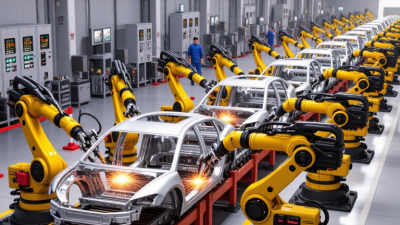
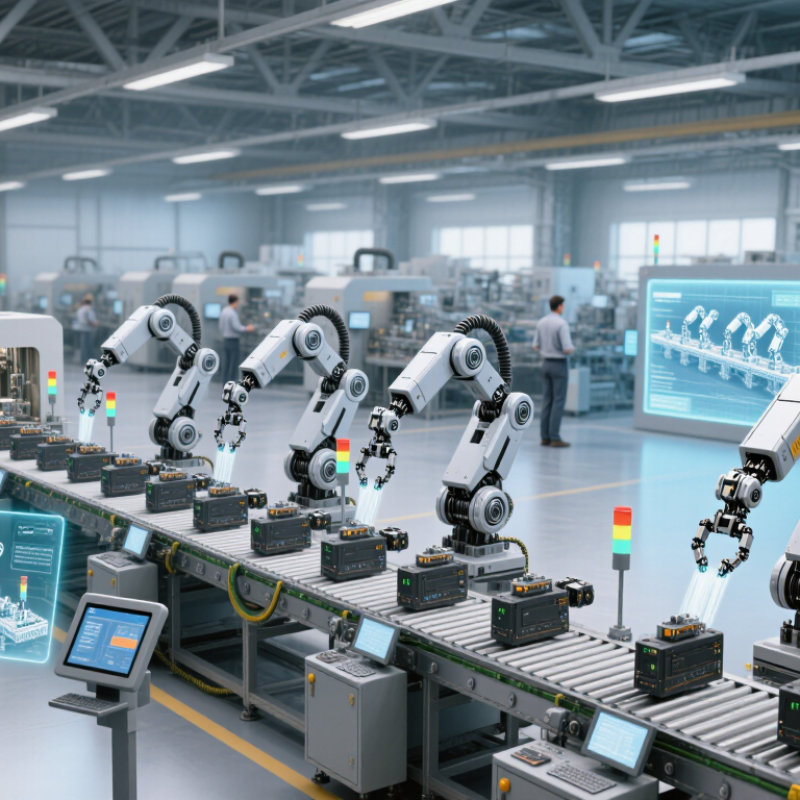
In 2026, production-line automation depends on connected technologies working together, not robots alone. Industrial robots handle repetitive lifting, welding, and packing, while machine-vision cameras inspect surfaces and read labels at line speed. The International Federation of Robotics’ World Robotics 2024 report counted 4,281,585 industrial robots operating worldwide in 2023, with 541,302 installations that year. The shift is tangible. Those figures show adoption, not proof that every task needs automation.
Edge computing lets cameras and sensors process information close to the equipment, reducing delays when a defect appears. AI can flag unusual vibration or temperature changes before a machine stops, though poor sensor data can produce confident but wrong alerts. Digital twins help engineers test a line change virtually before adjusting real conveyors, robotic arms, or safety zones. They are useful only when models reflect actual machine behavior.
Industrial networks connect controllers, robots, and production software, giving teams a shared view of output and downtime. This visibility can help operators trace a jam to one station instead of checking the whole line. Cybersecurity and staff training matter just as much as new hardware. Still, integration often takes longer than expected; older machines may use incompatible controls, and a clean dashboard cannot fix unclear work procedures.
AI-Driven Production Planning and Quality Control
In 2026, AI-driven production planning is becoming more responsive to conditions on the factory floor. Systems can combine order changes, machine availability, inventory levels, and shift schedules to suggest revised production plans. A planner might see that a delayed component will affect Wednesday’s assembly run and move available work to another line. That can reduce idle time, but only when the underlying data is current. Small details matter. A stock count entered late can send the model in the wrong direction. Experienced staff still need to check recommendations against practical constraints, such as setup time or a machine that regularly needs extra maintenance.
AI is also changing quality control by spotting patterns in inspection data and images. Cameras can flag a scratched surface or a misaligned label before products reach packing. Instead of relying only on fixed thresholds, models may detect a gradual change across several production batches. That is useful, but not infallible. A new material finish may trigger false alarms until the system is adjusted. Teams should review flagged samples, record why decisions were made, and monitor error rates over time. Automation can make inspection faster; it does not remove the need for sound judgment. Some factories will learn this the hard way.
Flexible Robotics and Human–Robot Collaboration
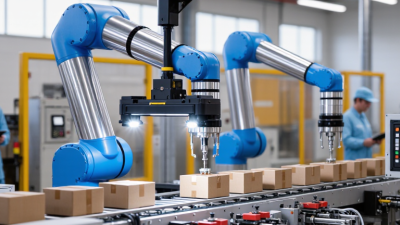
Flexible robotics is moving beyond fixed, repetitive tasks. In 2026, more production lines are likely to use robots that can switch between workstations, products, or batch sizes with less mechanical reconfiguration. A vision system can help a robot locate a part that sits slightly off-center, while sensors can detect contact and adjust movement. Small changes matter.
Human–robot collaboration works best when each side handles what it does well. A robot can hold a heavy housing steady or repeat a precise fastening motion. A trained operator can inspect a finish, resolve an unusual fit, and decide when a part needs rework. Clear task boundaries, accessible emergency stops, and practical training are essential—not optional extras.
A flexible cell still needs careful planning. Product variation, cycle time, floor space, and safe working distances all affect whether collaboration improves a process. A pilot on one station can reveal awkward handoffs before equipment is deployed across a line. Measure changeover time, defect rates, and operator feedback. The numbers may disappoint. That is useful, too. A system that requires constant manual correction may be less flexible than its specifications suggest, and teams should be willing to rethink the layout or task split.
Connected Production Lines and Real-Time Data
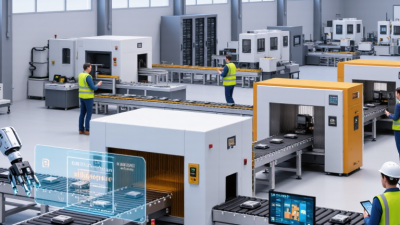
Connected production lines are becoming more useful when machine signals reach operators while a process is still running. A sensor can flag rising vibration on a conveyor motor before cartons begin to bunch at the next station. Real-time dashboards can also show cycle times, temperature changes, and brief stops across several work cells. That matters.
The value depends on whether the data is accurate and easy to act on. A timestamp mismatch or poorly calibrated sensor can send a team chasing the wrong fault. Clear alerts should identify the affected machine, show what changed, and help workers compare the reading with normal operating conditions. Not every fluctuation needs an alarm. Too many alerts can hide the important ones.
Connected systems can help maintenance teams spot recurring stoppages and plan checks around production needs. They also give supervisors a shared view of delays, rather than relying only on shift notes or memory. Still, more data does not automatically mean better decisions. Some lines have older equipment, inconsistent records, or wireless dead zones near metal structures. Those limitations deserve attention, and they are easy to underestimate. Teams should test connections on a small section, verify readings against physical checks, and refine alert thresholds with operator feedback.
Energy Efficiency, Resilience, and Cybersecurity in Automated Factories
In 2026, production line automation is increasingly judged by more than speed. Energy use, recovery from disruption, and cybersecurity now shape everyday operating decisions. A compressed-air leak can waste power for weeks if nobody tracks it. So can an idle conveyor left running between shifts.
Factories are responding with smarter monitoring and more selective automation. Sensors can flag unusual motor loads, while production schedules can shift energy-intensive tasks away from peak demand. These tools are useful only when teams understand the readings. A dashboard is not a maintenance plan. Operators still need clear procedures, access to spare parts, and time to investigate small faults before they stop a line.
Resilience also means preparing for digital failures, not just broken equipment. Separating control systems from office networks, limiting user permissions, and testing backups can reduce the impact of an intrusion or outage. Keep recovery steps practical. A plan nobody has rehearsed may fail under pressure. One uncomfortable reality remains: older machines often lack consistent data or modern security features. Replacing everything is rarely realistic, and adding connected devices can create new risks. Careful upgrades, documented network changes, and regular staff training help close those gaps without pretending they disappear.
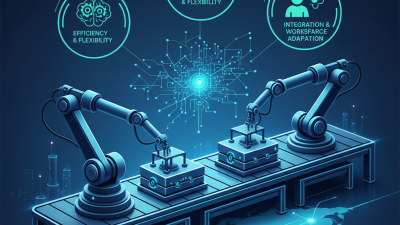
Production-Line Automation: Three Signals for 2026
Energy use, smart-manufacturing expectations, and cyber risk help frame automation priorities.
What it suggests: Energy-intensive operations can benefit from efficiency-focused automation. Smart-manufacturing investment can support more adaptable production, while manufacturing’s exposure to cyber incidents makes security an essential part of factory upgrades.
Sources: IEA, Energy Efficiency 2023 (industry share of global energy use); Deloitte, 2025 Smart Manufacturing Survey (manufacturer expectations); IBM, X-Force Threat Intelligence Index 2024 (share of reported cyber incidents in 2023). These figures have different denominators and are not directly comparable.