Choosing the best automation engineering systems in China is not simply a search for the fastest robot or the lowest-priced controller. The right choice depends on the production line: a battery plant needs precise motion control and traceable data, while a food factory may prioritize washdown-ready equipment and reliable inspection. Integration matters. So does local technical support.
The market’s scale makes careful comparison essential. The International Federation of Robotics reported that China installed 276,288 industrial robots in 2023, representing 51% of global installations that year (World Robotics 2024). But a large market does not make every system suitable for every factory. Buyers should examine compatibility across PLCs, SCADA, MES, machine vision, and robotics, alongside cybersecurity, upgrade paths, service coverage, and total lifecycle cost. A polished demonstration is not proof of dependable performance on a real shift.
The systems perspective is worth remembering. Quality-management expert W. Edwards Deming is widely quoted as saying, “A bad system will beat a good person every time.” That warning applies to automation engineering systems: even capable engineers cannot compensate indefinitely for poor integration or unclear maintenance ownership. Some details remain easy to underestimate. A sensor mounted a few centimeters off position can trigger repeated false rejects; a delayed spare part can leave a line idle. This guide compares leading system types and providers in China, while recognizing that there is no universal winner. The honest answer may depend on the factory’s existing equipment—and on how much disruption it can afford during implementation.
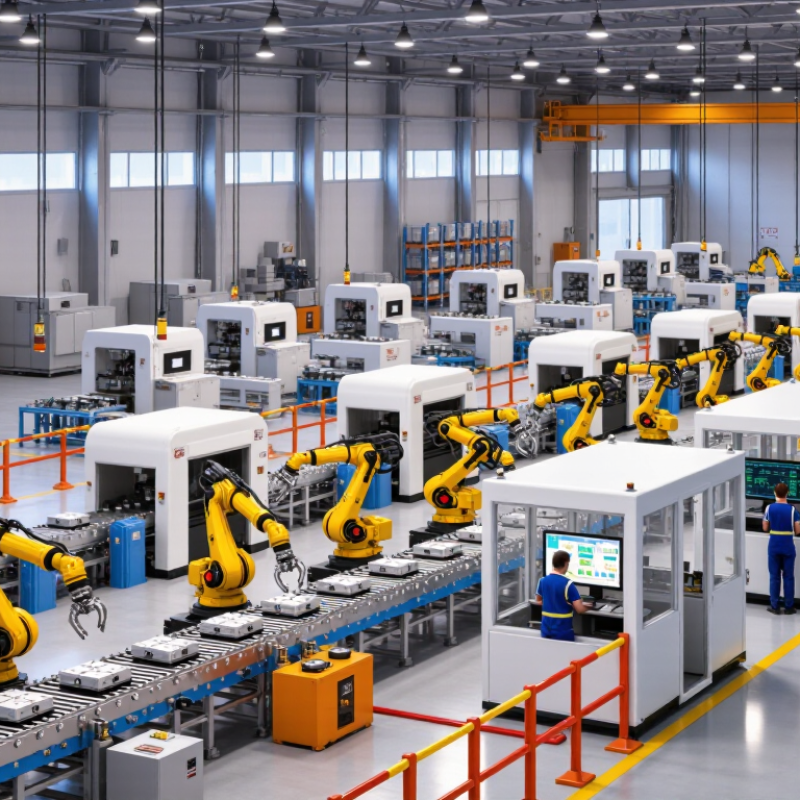
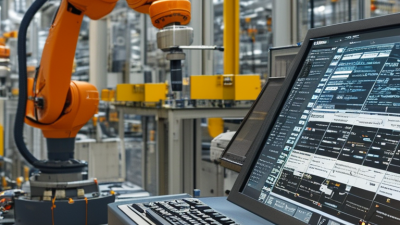
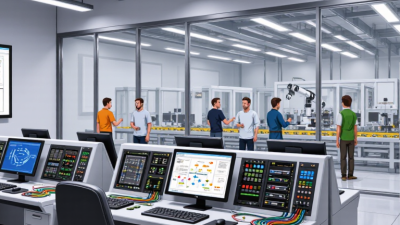
An automation engineering system connects sensors, actuators, controllers, operator stations, and production software. It turns process signals into repeatable actions. At the field layer, sensors measure temperature, pressure, or position, while actuators move valves and motors. The control layer uses programmable controllers or distributed control systems to run logic, regulate processes, and trigger interlocks. Above it, supervisory systems display alarms, trends, and equipment status. Production and enterprise layers handle scheduling, quality records, and resource planning. The boundaries matter: a temperature reading is useful only when its source, timing, and control response remain clear.
China’s manufacturing scale makes these layers more than a diagram. The International Federation of Robotics’ World Robotics 2024 report records 276,288 industrial robot installations in China during 2023, or 51% of global installations. That figure signals the importance of dependable control integration, not a single “best” architecture. Robot cells still need safe interlocks, predictable communications, and operator screens that show faults plainly. A tidy pyramid can hide messy handoffs between old equipment and new software. Engineers should test those handoffs on the actual production line, where delays and noisy signals appear. The weak point is often not the controller; it is unclear ownership of the data.
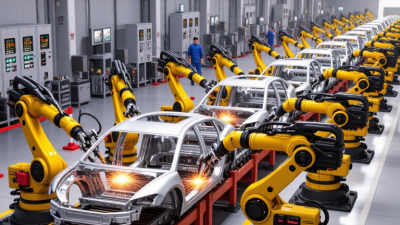
Across China’s industries, automation works best when each system fits the process. PLCs handle fast, repeatable machine tasks, such as packaging lines and assembly cells. DCS platforms coordinate continuous operations in chemical, power, and refining plants. SCADA monitors dispersed equipment, from water networks to remote energy sites. MES connects shop-floor schedules with quality records and material tracking. Robots perform welding, palletizing, and precise component handling. The boundaries overlap. That matters.
China’s sector mix makes these choices visible. In automotive and electronics factories, PLCs often coordinate equipment while robots handle repetitive movement. MES helps teams trace batches and investigate defects. In process industries, DCS controls temperature, pressure, and flow; SCADA can extend oversight across distant facilities. These are practical patterns, not fixed rules. A plant’s age, product variety, and network design can change the right architecture.
The scale is substantial: China installed 276,288 industrial robots in 2023, 51% of global installations, according to the International Federation of Robotics’ World Robotics 2024 report. That figure supports the importance of robotics, but it does not prove every factory needs more robots. Integration remains uneven. A poorly maintained sensor or disconnected MES record can weaken an otherwise capable system. Engineers should map actual bottlenecks before choosing controls, software, or robotic cells.
Choosing an automation system in China depends less on its country of origin than on the plant’s process, workforce, and support needs. International suppliers often offer broad product portfolios, mature engineering tools, and established integration practices. These can help when a factory runs complex, multi-site operations or must connect equipment from many sources. Domestic suppliers may offer closer access to local engineers, faster communication, and solutions shaped around regional manufacturing needs. Fit matters more.
Compare specific tasks, not slogans. Ask vendors to demonstrate how an operator would change a recipe, trace an alarm, or restore a controller after a fault. Check response times for local service, spare-part availability, cybersecurity updates, and compatibility with existing sensors and drives. A low purchase price can look attractive, but commissioning delays or hard-to-find expertise may raise the real cost. No scorecard is perfect. I would also test the system with a small production cell before committing to a plant-wide rollout. That trial can reveal awkward screens, unclear documentation, or training needs that a sales presentation may miss. The better choice is the one your team can maintain reliably, not simply the one with the longest feature list.
China installed 290,258 industrial robots in 2022, equal to 52% of global installations, according to the International Federation of Robotics’ World Robotics 2023 report. That is significant. The figure shows the scale of factory investment, but it does not prove every automation system performs well. A robot cell can still lose hours to changeovers, poor part positioning, or maintenance delays.
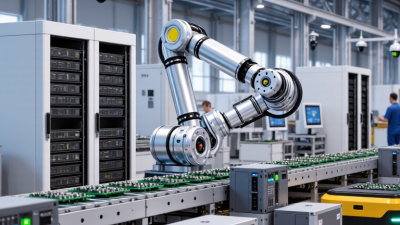
The best engineering system is one matched to the production task. For a high-volume line, integrated robots, machine vision, safety controls, and production monitoring can help coordinate each step. For smaller batches, flexible cells and quick-to-adjust tooling may matter more than maximum speed. Track uptime, cycle time, defect rates, and energy use. Compare results across shifts, not just during a successful trial. The headline number is impressive, but system performance varies by factory.
Tips: Check how the system handles a jam, a new product size, and a sensor fault. Ask for measured results from a comparable production line. Measure twice.
China’s robot density reached 392 units per 10,000 manufacturing employees in 2022, according to the International Federation of Robotics’ World Robotics 2023 report. That was well above the global average of 151. The figure signals broad automation adoption, but it does not show whether a particular factory’s system is suitable. A busy electronics line needs precise vision and fast changeovers. A metalworking cell may need rigid fixtures, reliable safety controls, and tolerance for dust or vibration.
When assessing automation engineering systems in China, compare sector fit rather than robot counts alone. Check how well controls, sensors, motion equipment, and production software work together. Ask for measured cycle times, uptime records, and integration results from similar processes. IFR density is a useful national benchmark, not a factory-level promise. That distinction matters.
Tips: Map one production bottleneck before choosing equipment. Measure takt time, changeover duration, and rejected parts across several shifts. Then test a small cell using real components and operators. Keep the test conditions realistic. A neat demonstration can hide maintenance delays or awkward manual loading. I would also revisit assumptions after deployment; automation plans often underestimate the time needed to tune workflows.
Industrial robots per 10,000 manufacturing employees, 2022
China’s density was 392 robots per 10,000 manufacturing employees—above the global average of 151 and close to Japan’s 397. This national benchmark indicates substantial industrial automation adoption, but it does not measure readiness or demand in any individual sector. Evaluate system fit against each plant’s processes, safety needs, integration requirements, and workforce capabilities.
Source: International Federation of Robotics (IFR), World Robotics 2023. Robot density figures for 2022.
+1 (619) 661-5985
sale@roboticemotion.com
10030 Via de la Amistad San Diego CA 92154, United States
We can supply pre-cut pipes and roller tracks, with the appropriate number of joints and accessories; delivered in kit form as per your specifications.