
10 Best Automation Engineering Systems for Global Buyers
Choosing an automation platform is rarely just a software decision. Global buyers must consider production goals, local support, integration needs, and long-term operating costs. The right automation engineering systems should connect equipment, people, and data without creating needless complexity. A control cabinet may look tidy in a sales presentation, but commissioning, maintenance access, and spare-part availability matter more on the factory floor.
No shortlist is perfect. A system that suits a high-volume automotive line may not fit a food plant with frequent product changes. Buyers should compare control capabilities, safety functions, communication protocols, cybersecurity practices, and compatibility with existing machinery. Ask how upgrades are handled, where technical support is based, and what training operators receive. These details can reveal gaps that a feature list may hide.
This guide examines ten automation engineering systems for buyers comparing options across regions and industries. It is designed to support early research, not replace technical reviews or supplier due diligence. Compare each option against clear requirements, such as response times, system expandability, and service coverage near your site. Request references from facilities with similar processes, and verify performance claims through demonstrations or documented tests. A polished demo is useful, but it is not the whole story. Weigh the trade-offs carefully: a familiar platform may reduce training effort, while a newer one may offer capabilities your team still needs to validate.
What Automation Engineering Systems Do and Where They Are Used
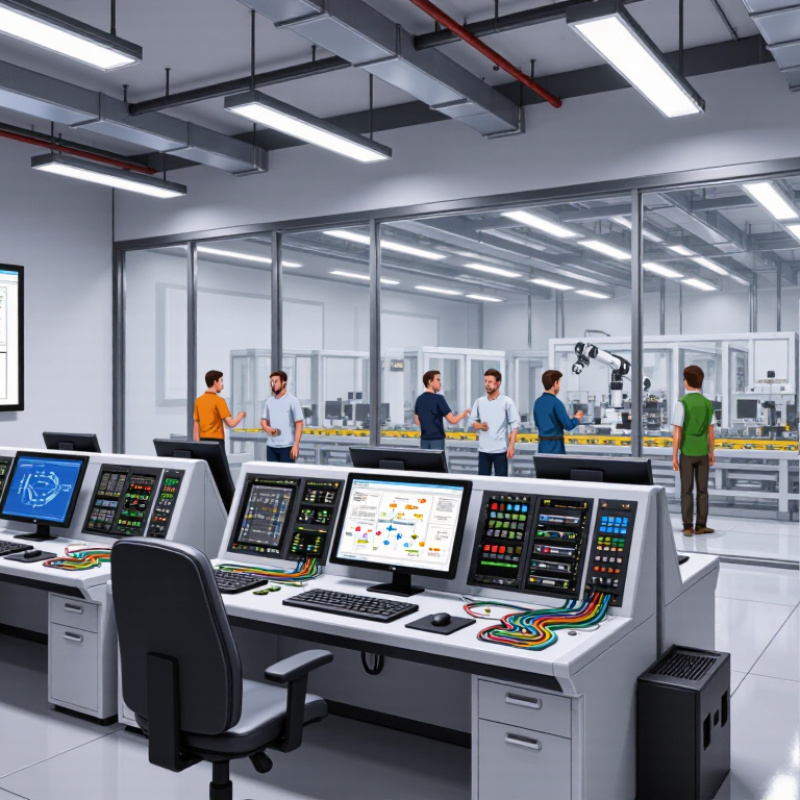
Automation engineering systems connect sensors, controllers, machines, and software so industrial processes need less manual intervention. A sensor might detect a bottle’s position, while a controller adjusts a conveyor or flags a misaligned item. These systems also collect operating data, helping teams identify recurring stoppages or uneven output. Their design depends on the task, production speed, and site conditions. Small details matter.
Factories use automation systems for assembly, packaging, inspection, and material handling. Water facilities monitor pump pressure, tank levels, and treatment stages. Warehouses rely on automated controls to sort and route cartons, while commercial buildings use them to manage ventilation and lighting. A two-second delay can create a queue on a busy line. Real equipment layouts rarely match clean diagrams. Installation takes adjustment.
Global buyers should check how a system connects with existing equipment and whether local technicians can maintain it. Climate, dust, vibration, and power quality can affect component choices. Clear alarms and readable operating screens help staff respond faster. Training is often planned late, though it strongly affects day-to-day performance. A practical review should also consider spare parts, data access, and safe recovery after a fault.
10 Best Automation Engineering Systems for Global Buyers — What Automation Engineering Systems Do and Where They Are Used
| System Type | What It Does | Common Uses | Typical Components | Key Buyer Considerations |
|---|---|---|---|---|
| Programmable Logic Controller (PLC) System | Executes programmed logic to monitor inputs and control machines or processes in real time. | Packaging lines, material handling, machine tools, and discrete manufacturing. | Controller, input/output modules, power supply, programming software, and industrial network interfaces. | Check required I/O capacity, environmental ratings, response time, communication protocols, and local support availability. |
| Distributed Control System (DCS) | Coordinates continuous or batch processes using control functions distributed across multiple process areas. | Power generation, chemical processing, water treatment, and other large process facilities. | Operator stations, controllers, I/O modules, engineering tools, process networks, and historian functions. | Evaluate process scale, redundancy needs, integration with existing equipment, lifecycle support, and system cybersecurity. |
| Supervisory Control and Data Acquisition (SCADA) System | Collects field data and enables operators to supervise and control geographically dispersed assets. | Electricity and water networks, pipelines, transport infrastructure, and remote facilities. | Supervisory software, remote terminal units or PLCs, communications links, operator interfaces, and data storage. | Assess communications reliability, remote-site security, data retention, alarm management, and connectivity options. |
| Industrial Robotics System | Uses programmable robotic arms or mobile robots to perform repeatable material-handling or process tasks. | Welding, machine tending, palletizing, assembly, and inspection. | Robot, controller, end effector, safety devices, tooling, and application-specific sensors. | Compare payload, reach, cycle time, installation space, safety requirements, and the complexity of programming and maintenance. |
| Machine Vision and Inspection System | Captures and analyzes images to identify defects, verify assembly, read codes, or guide equipment. | Product inspection, measurement, label and code verification, and robot guidance. | Camera, lens, lighting, image-processing hardware or software, and communication interfaces. | Confirm resolution, field of view, inspection speed, lighting conditions, required accuracy, and data-handling needs. |
| Manufacturing Execution System (MES) | Manages and records production activities between business planning systems and shop-floor operations. | Production scheduling, work-in-progress tracking, quality records, and electronic work instructions. | Production tracking software, operator terminals, equipment connectivity, and links to planning and quality systems. | Review traceability requirements, integration scope, data governance, user access, and deployment approach. |
| Industrial Internet of Things (IIoT) System | Connects industrial equipment and sensors to collect, transmit, and analyze operational data. | Condition monitoring, energy tracking, remote equipment monitoring, and production analytics. | Sensors, gateways, communication networks, data platform, analytics tools, and security controls. | Consider interoperability, connectivity in the operating environment, data ownership, cybersecurity, and ongoing service costs. |
| Motion Control and Servo System | Controls the position, speed, and torque of motors for coordinated and precise movement. | Conveyors, machine tools, printing equipment, packaging machinery, and automated assembly. | Servo drives, motors, encoders, motion controllers, mechanical transmission, and feedback devices. | Match axis count, load and inertia, required accuracy, motion profile, power supply, and machine safety needs. |
| Automated Material Handling System | Moves, stores, or retrieves materials with reduced manual handling through coordinated equipment and controls. | Warehouses, distribution centers, factories, and production-line supply. | Conveyors, automated storage and retrieval equipment, autonomous mobile robots, sensors, and fleet or warehouse software. | Assess throughput, facility layout, load characteristics, traffic management, integration, and expansion requirements. |
| Industrial Safety Automation System | Monitors safety-related conditions and brings machinery or processes to a defined safe state when required. | Machine guarding, emergency stops, access control, and hazardous process shutdown functions. | Safety controllers or relays, safety-rated sensors, interlocks, emergency-stop devices, and safety software. | Determine applicable local regulations, required risk reduction, validation responsibilities, and compatibility with the machine design. |
Related Posts
-
What Are the Top Types of Automation Engineering Systems?
-
How to Choose the Right Industrial Control Systems?
-
What Are the Best Industrial Control Systems in China?
-
How to Choose Automation Engineering Systems?
-
How to Choose Advanced Manufacturing Systems in 2026?
-
China Top 10 Industrial Automation Technology Manufacturers


