What Are the 7 Best Automated Logistics Systems?
An automated logistics system can turn a busy warehouse into a steadier, more visible operation. Scanners capture parcel movements, software assigns tasks, and conveyors carry cartons past loading bays. The gains can be practical: fewer manual handoffs, quicker inventory updates, and clearer delivery status. Small delays matter. A misplaced barcode or a poorly timed robot route can still slow an entire shift.
Logistics scholar Martin Christopher describes a supply chain as “the network of organizations that are involved, through upstream and downstream linkages, in the different processes and activities that produce value in the form of products and services in the hands of the ultimate consumer.” That network is why choosing automated logistics systems takes more than comparing feature lists. This guide explores seven leading options, from warehouse management software to robotics and transport planning tools. It considers integration, scalability, visibility, and the work required to keep each system running. Not magic. Even capable automation needs accurate data, trained staff, and processes that fit the site. A neat product demo rarely shows a jammed conveyor at 4 p.m. The best choice depends on order volume, facility layout, budget, and existing systems. These comparisons can narrow the field, but they cannot replace a careful assessment of your own operation.
What Automated Logistics Systems Are and How They Work
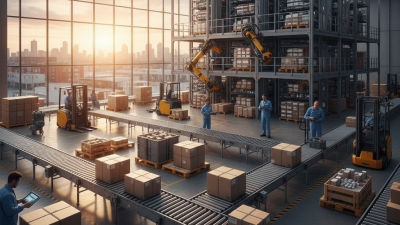
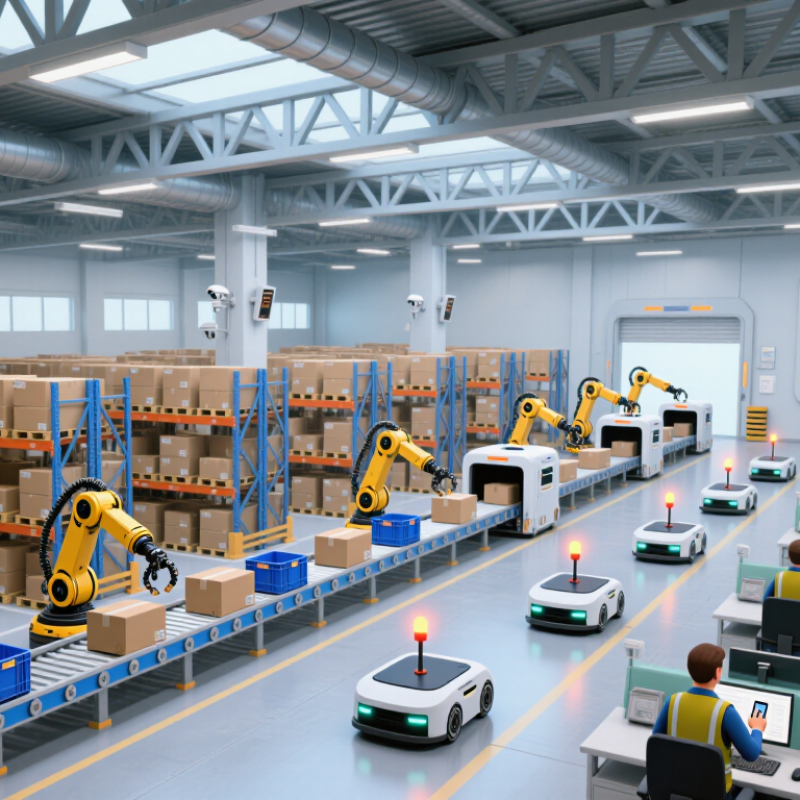
Automated logistics systems use software, sensors, and machines to move goods through a warehouse or distribution center. They can receive inventory data, assign storage locations, direct picking, and coordinate packing or dispatch. The exact setup varies: a small facility may automate only label printing, while a larger one may use conveyors and mobile robots. No single layout fits every operation.
The process often starts when an order enters a warehouse management system. Software checks stock and sends tasks to workers or equipment. Scanners confirm item codes; sensors detect nearby obstacles or full conveyor lanes. A control system can then adjust routes or flag a problem for a person. Small delays matter. A misplaced tote, for example, can hold up packing even when the rest of the line is moving smoothly.
Automation works best when equipment, software, and inventory records share accurate information. Teams usually test routes and exception handling before expanding a system, since real workflows rarely match a perfect diagram. People still make judgment calls when goods arrive damaged or a barcode cannot be read. That part is easy to underestimate. Even well-designed systems need maintenance, clear procedures, and regular checks against physical stock.
Core Technologies Behind Logistics Automation
Logistics automation depends less on one machine than on several technologies sharing reliable data. At receiving, barcode scanners and RFID readers identify cartons; sensors track location, temperature, or movement. That small handoff matters. Inventory software updates stock records, while warehouse execution tools assign picking tasks based on order priority and available labor. Robotic carts and conveyors move totes along planned routes, but people still handle damaged packages and unusual orders. Computer vision can check labels or detect empty shelf locations, though glare and crumpled packaging can confuse it. Not perfect.
Behind the equipment, APIs connect warehouse, transport, and inventory systems so changes do not remain trapped in separate screens. Route-planning software uses traffic, delivery windows, and vehicle capacity to build workable schedules. Predictive analytics can flag likely delays or maintenance needs, but forecasts depend on accurate historical data. Teams should test alerts against real shifts, not just clean demonstration data. A digital twin can model a busy loading bay before managers move racks or alter labor patterns. Integration remains a weak point: mismatched item codes or late scans can send even sound automation down the wrong path. One missed scan is enough.
Seven Leading Automated Logistics Systems and Their Uses
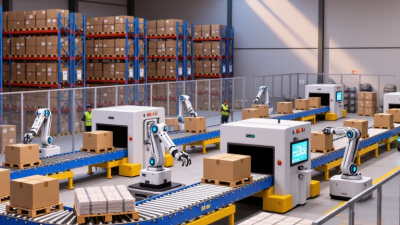
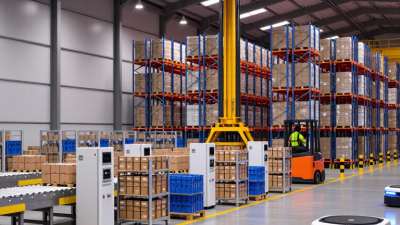
Seven leading automated logistics systems serve different tasks, from receiving cartons to dispatching trucks. A warehouse management system assigns inventory locations, releases orders, and records each scan. It helps teams see which items are available and where delays begin. Small details matter. An automated storage and retrieval system moves totes or pallets through dense racks, using lifts and shuttles to reduce walking and use floor space efficiently.
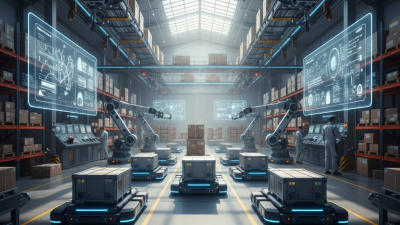
Conveyor and sortation systems move cartons between packing, inspection, and shipping lanes. Photo sensors direct parcels toward the right destination. Autonomous mobile robots carry shelves or bins across a warehouse, while automated guided vehicles often follow fixed routes. Robotic picking arms handle repeatable grabs, such as placing boxed goods into shipping cartons. They need suitable packaging and accurate item data. Not magic.
Transportation management systems compare loads, schedules, and routes, helping planners assign carriers and monitor deliveries. Yard management systems track trailers and dock doors, reducing time spent searching a crowded yard. Results depend on thoughtful setup, maintenance, and staff training. A robot can still wait behind a misplaced pallet. Some facilities find that a simple conveyor works better than a complex robot fleet. Measure walking distance, missed scans, and loading delays before choosing a system; the best fit may be less impressive than expected.
What Are the 7 Best Automated Logistics Systems?
Seven leading system types and the logistics tasks they commonly support
How to read this chart: Each colored segment represents a common application, not a performance score. System capabilities vary by configuration and facility; the chart summarizes typical uses.
Benefits and Limitations of Automated Logistics
Automated logistics systems can coordinate receiving, storage, picking, packing, and dispatch with fewer manual handoffs. A warehouse management platform can direct orders to suitable locations, while scanners confirm that each tote contains the right items. Conveyor systems and autonomous carts may reduce walking and keep routine work moving. The gains are most visible in busy facilities with repeatable orders and reliable inventory records.
Less walking matters. So does fewer misplaced cartons.
The benefits depend on good data and thoughtful setup. If a barcode is unreadable or stock counts are outdated, automation can move the wrong item faster. That is efficient in the wrong direction. Integrating software with older equipment may also require extra time, testing, and maintenance. During peak demand, a blocked conveyor or failed sensor can delay several downstream tasks. Workers need training to handle exceptions, not just follow prompts. There is a human cost to overlooking that.
Smaller operations may find that simpler tools and well-designed manual processes are more practical than a fully automated system. Before investing, teams should compare expected labor, service, and upkeep costs against measurable improvements in accuracy and delivery speed. Automation is useful, but it is not a substitute for sound processes.
How to Select the Right System for an Operation
Selecting among automated logistics systems starts with the work, not the machinery.
Map each order from receiving to dispatch, including waiting time and manual handoffs. Record SKU size, daily order volume, peak-hour demand, and the distance workers travel. These details help distinguish whether conveyors, autonomous mobile robots, automated storage, sortation, or goods-to-person picking fit the operation. A system that performs well in a large distribution center may struggle in a cramped facility with frequent product changes. Small details matter. A narrow aisle or uneven floor can change the practical value of automation.
Compare options using measurable targets, such as units picked per hour, order accuracy, downtime, and labor required during peak shifts. Ask how the equipment connects with existing inventory and order software, and what happens when a label is unreadable or a unit jams. Not glamorous. Request a trial using representative orders, not a polished demonstration. Check maintenance access, staff training needs, safety procedures, and the supplier’s response times. Model total costs over several years, including installation, energy, service, and upgrades. Forecasts can look precise while missing seasonal swings; leave room for uncertainty. A system may be technically impressive yet poorly matched to the people who will operate it each day.