In today's fast-paced manufacturing landscape, optimizing manufacturing automation technology is crucial. According to a recent report by McKinsey, automation can increase productivity by 20-30% in factories. However, many organizations struggle to harness its full potential. Experts like Dr. Emily Johnson, a leader in industrial automation, emphasize, "The real challenge lies in integrating new technologies effectively."
Companies must assess their current systems and identify inefficiencies. Simple adjustments can lead to significant gains. For instance, adopting real-time monitoring tools can enhance decision-making and reduce downtimes. Yet, organizations often overlook the importance of employee training in new technologies. A skilled workforce is essential for maximizing the benefits of manufacturing automation technology.
Moreover, as technology evolves, so do challenges. Businesses face difficulties in maintaining cybersecurity measures while integrating automation solutions. Reflecting on these hurdles is critical. Understanding both the advantages and limitations of manufacturing automation technology can guide further improvements.
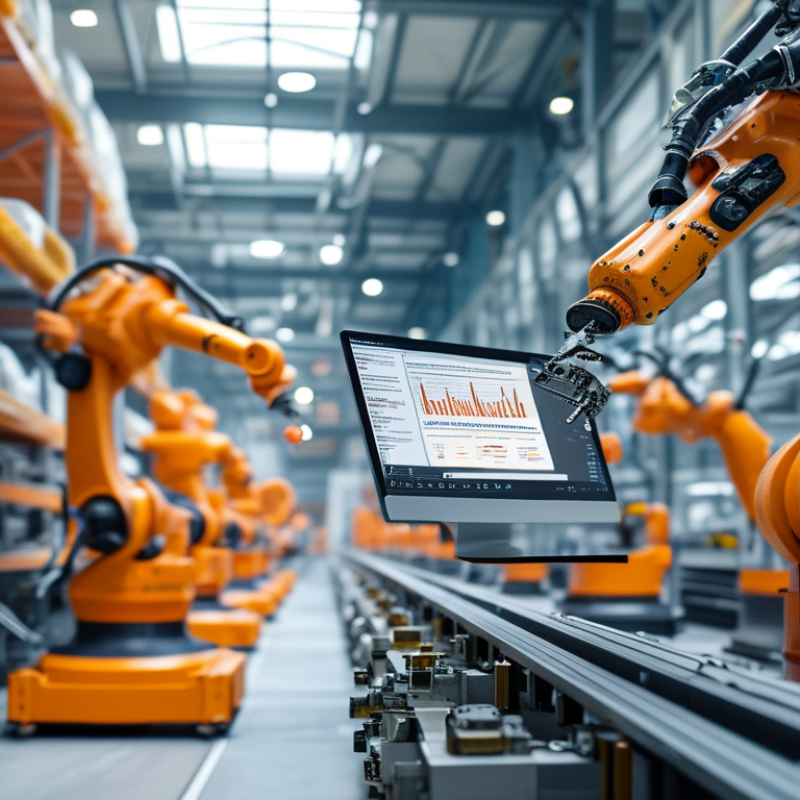
Manufacturing automation technologies have transformed industries, driving efficiency and productivity. According to a report by McKinsey, companies implementing automation can reduce operational costs by up to 30%. This shift is significant as businesses face increasing pressure to innovate and remain competitive. Understanding the various technologies available is crucial for optimizing their use.
Robotic process automation (RPA), for instance, is gaining traction. It streamlines repetitive tasks, freeing human workers for more complex activities. Sensors and IoT devices enhance machinery performance, providing real-time data for better decision-making. Industrial robots now come with advanced AI, allowing for adaptive learning and efficiency improvements. However, many companies struggle with integrating these technologies into existing workflows.
Consider these tips for successful integration: Invest in training programs to help staff adapt to new systems. An agile implementation plan is vital to address unforeseen challenges. Regularly assess performance metrics to fine-tune processes. Embrace feedback from employees who work directly with these technologies; their insights can identify gaps in efficiency that management may overlook. Balancing innovation with practical application ensures your automation strategy remains effective and relevant.
| Technology | Impact on Efficiency | Implementation Costs | ROI (Return on Investment) | Adoption Rate (%) |
|---|---|---|---|---|
| Robotic Process Automation | Increases production speed and reduces human error | $500,000 | 20% within 2 years | 65% |
| Predictive Maintenance | Minimizes downtime by predicting equipment failures | $300,000 | 30% within 1 year | 50% |
| Internet of Things (IoT) Devices | Enhances data collection and real-time monitoring | $400,000 | 25% within 18 months | 60% |
| Artificial Intelligence (AI) in Production | Optimizes production schedules based on demand | $700,000 | 35% within 3 years | 45% |
| 3D Printing | Reduces material waste and enables rapid prototyping | $250,000 | 40% within 2 years | 70% |
Incorporating automation into manufacturing requires careful consideration of efficiency metrics. Understanding these metrics is essential for maximizing productivity. Key performance indicators (KPIs) provide insights into the effectiveness of automated systems. Metrics such as cycle time, throughput, and overall equipment effectiveness (OEE) help in evaluating performance. Tracking these metrics can reveal areas needing improvement.
For instance, cycle time measures the duration needed to complete a task. If this metric is longer than expected, it might indicate inefficiencies in the process. Similarly, throughput assesses the output produced over time. Low throughput can suggest bottlenecks in the workflow. OEE combines availability, performance, and quality metrics, providing a comprehensive view of equipment effectiveness. This metric can reflect operational issues that need addressing.
It's also important to recognize that not every automation strategy will yield perfect results. Sometimes, automation can complicate processes rather than simplify them. Regular assessments and adjustments based on the identified metrics can lead to better outcomes. Engaging the workforce in this process often highlights potential pitfalls and opportunities for enhancement. The path to optimized automation is iterative and requires continuous monitoring of efficiencies.
Integrating advanced technologies into manufacturing processes is crucial for boosting efficiency. According to a recent McKinsey report, companies that adopt advanced manufacturing technologies can improve productivity by up to 30%. Enhancing performance goes beyond automation. It requires a holistic approach to integrate AI, IoT, and data analytics effectively.
Investing in IoT sensors can lead to real-time monitoring of equipment. This can reduce downtime significantly, with studies showing a potential 20% decrease in maintenance costs. AI algorithms analyze production data to identify bottlenecks and optimize workflow. However, the integration process can present challenges. Not all employees may adapt quickly to new technologies, leading to resistance and a learning curve.
Stay informed about the latest trends. Attend industry conferences or participate in workshops. Engaging with experts can provide insights on best practices. Encourage teams to share feedback on technology usage. This drives continuous improvement and fosters a culture of innovation. Remember, technology should serve as a tool to enhance human capability, not replace it.
Continuous improvement strategies are vital for optimizing manufacturing automation technology. An environment that encourages feedback can foster innovation. Employees at all levels should feel empowered to share their insights. Simple suggestions can lead to significant efficiency gains. Regularly scheduled meetings can serve as platforms for these discussions. This practice builds a culture of collaboration and accountability.
Data analytics is another powerful tool in continuous improvement. Identifying bottlenecks through real-time monitoring can highlight inefficiencies. For instance, if a particular machine often fails, analyzing its downtime can reveal patterns. The result can be targeted maintenance schedules that minimize disruptions. While technology plays a critical role, the human element remains essential. Employees need adequate training to adapt to evolving processes.
It's important to recognize that not every strategy will yield immediate results. Experimentation may lead to unexpected outcomes. Some initiatives may require adjustments to fit the operational context better. Continuously measuring and reflecting on these strategies is essential for long-term improvement. Keep asking questions and be open to change. This mindset can drive significant advancements in manufacturing efficiency.
This chart illustrates the efficiency levels before and after the implementation of manufacturing automation technology. As seen, continuous improvement strategies lead to significant enhancements in efficiency within manufacturing processes.
Training the workforce is essential for optimal automation utilization. A skilled team can significantly enhance production efficiency. It is crucial to develop training programs that focus on hands-on experience. Workers should engage directly with automation technologies. This practical approach fosters familiarity and confidence.
Incorporating regular workshops can help. These sessions allow workers to troubleshoot and adapt to changes. Encouraging feedback during training promotes a culture of continuous improvement. However, many organizations overlook this. Common challenges include resistance to change and lack of resources. It's important to address these obstacles to create a willing and educated workforce.
Monitoring progress post-training is vital. This step ensures that employees apply their skills effectively. Regular evaluations can identify areas for further development. By refining training programs, companies can better align with technological advances. Ultimately, a well-trained team is key to maximizing automation benefits in manufacturing settings.
+1 (619) 661-5985
sale@roboticemotion.com
10030 Via de la Amistad San Diego CA 92154, United States
We can supply pre-cut pipes and roller tracks, with the appropriate number of joints and accessories; delivered in kit form as per your specifications.