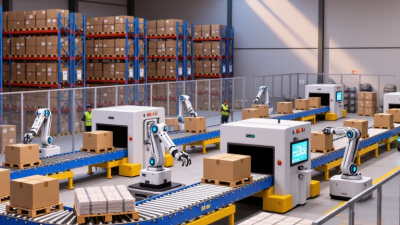
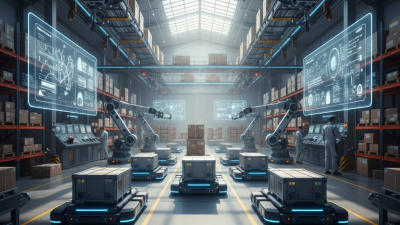
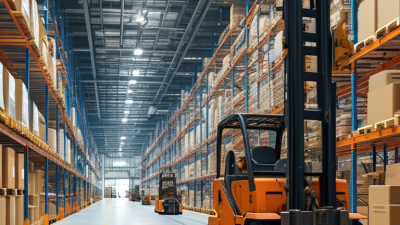
In 2026, material handling systems are becoming more connected, flexible, and data-driven. Warehouses must move pallets, cartons, totes, and individual products with greater accuracy. A busy distribution center may combine conveyors, automated storage and retrieval systems, mobile robots, forklifts, cranes, and sortation equipment.
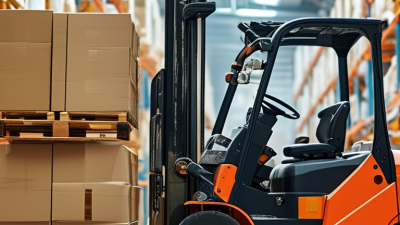
Each system solves a different operational problem. Conveyors support steady product flow between workstations. AS/RS technology uses vertical space and controlled retrieval processes. Autonomous mobile robots can transport inventory across changing warehouse layouts. Forklifts remain practical for heavy pallets, especially where automation investment must remain measured.
No system is perfect.
Choosing equipment requires more than comparing purchase prices. Facility managers should examine throughput, product weight, aisle width, ceiling height, labor availability, maintenance access, and software compatibility. A system that performs well in a new building may struggle in an older facility with uneven floors or limited power capacity.
This guide reviews the top types of material handling systems expected to shape warehouse operations in 2026. It considers real workplace demands, including peak-season congestion, damaged packaging, operator training, and unexpected downtime. Reliable decisions should combine manufacturer specifications with site testing and feedback from experienced employees. Data can reveal bottlenecks, but it cannot explain every practical problem.
That assumption deserves scrutiny.
The strongest solution is not always the most automated one. Sometimes, a well-designed conveyor line and disciplined picking process outperform a complex installation. Other facilities may gain more from robotics, smart storage, or integrated warehouse control software. Careful evaluation helps businesses improve productivity without sacrificing safety, service quality, or long-term reliability.
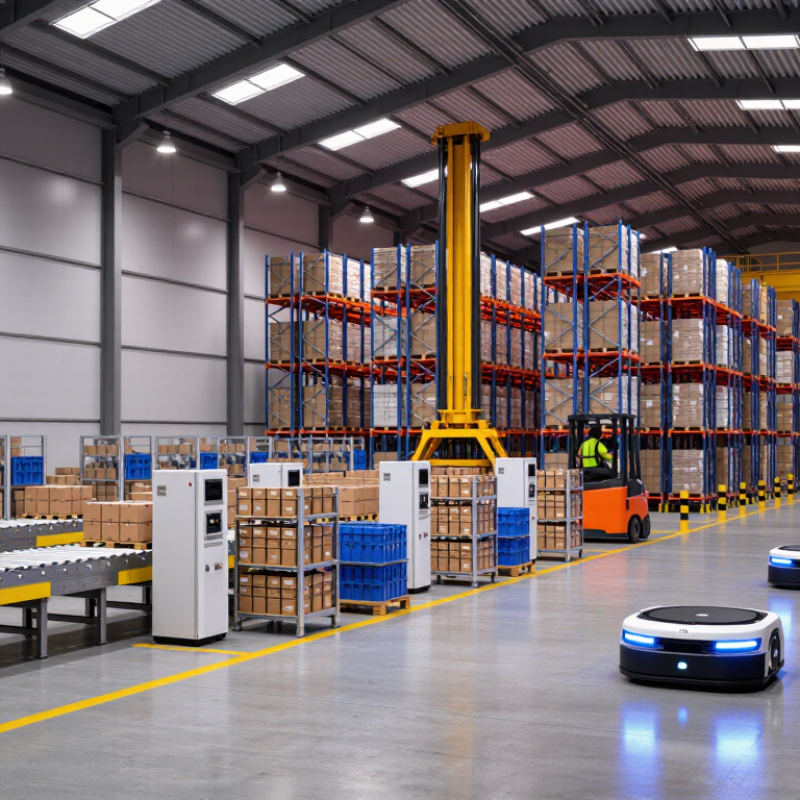
Material handling systems are organized methods for moving, storing, protecting, and tracking materials. They connect receiving docks, storage areas, workstations, and shipping zones. Common examples include conveyors, pallet racks, lifts, sorters, and automated guided vehicles. Some systems rely on people, while others use sensors, software, or robotic equipment.
Their value is practical. A well-designed system can shorten walking distances, reduce lifting injuries, and keep orders moving consistently. It can also improve inventory accuracy through barcode scanning, weight checks, and location tracking. Small details matter. A poorly placed scanner or narrow aisle can create delays throughout an entire shift. In 2026, companies also examine energy use, system flexibility, and data security before investing.
Reliable planning starts with real operating conditions. Engineers usually study product sizes, traffic patterns, peak volumes, floor strength, and maintenance access. They should also consult the workers who use the equipment daily. Their observations often reveal problems missed by digital models. Safety inspections, operator training, emergency stops, and documented maintenance remain essential, even in highly automated facilities. No system is perfect. Automation may reduce repetitive work, but it can introduce software failures, difficult repairs, or new training needs. A balanced design leaves room for manual control and thoughtful human judgment.
2026 Top Types of Material Handling Systems?
How Are Material Handling Systems Classified by Function and Technology?
Material handling systems are best classified by their function: movement, storage, protection, identification, and control. Conveyors and automated guided vehicles move cartons between receiving, picking, and shipping areas. Racking, lift systems, and automated storage equipment preserve space and improve retrieval speed. Packaging stations protect products, while scanners and warehouse software provide identification and operational control.
The classification is useful, but it is not perfectly clean. A shuttle system stores inventory and moves it. A conveyor transports goods while collecting location data. These overlaps matter when managers calculate labor, energy, and maintenance costs. In a real facility, watch the handoff points. A poorly aligned transfer can create noise, damaged cartons, and a five-minute delay repeated hundreds of times daily.
Technology adds another layer. Manual systems depend mainly on operators and basic equipment. Mechanized systems use powered conveyors, lifts, and sorters. Automated systems add sensors, software logic, robotics, or autonomous vehicles. Integrated systems connect these tools with warehouse and enterprise data. The 2024 MHI Annual Industry Report surveyed more than 1,700 supply-chain professionals and reported that 83% expected technology investment to increase over the following five years. The report also highlighted growing interest in artificial intelligence and robotics. Still, automation is not automatically better. Industry experience shows that poor data, uneven floors, and unclear exception procedures can weaken advanced equipment. Classification should therefore reflect the actual workflow, not only the equipment catalogue.
Material handling systems can be classified by function—transport, storage, picking, or sorting—and by technology, from manual and mechanized equipment to automated systems. The chart shows indicative typical throughput ranges in units per hour; actual performance depends on load size, layout, operating conditions, and system design.
Material handling systems move, store, identify, and protect goods inside warehouses and factories. The main types include manual handling equipment, conveyors, automated storage and retrieval systems, sortation systems, and mobile robots. Forklifts and pallet trucks remain practical for variable loads. Conveyors suit steady movement between fixed points. Cranes handle heavy items vertically. Automated storage systems use dense racks, shuttles, or robotic carriers to reduce travel time.
The MHI 2024 Annual Industry Report, based on more than 1,200 supply-chain professionals, identifies labor availability and productivity as continuing operational pressures. This explains growing interest in robotics, automated guided vehicles, autonomous mobile robots, and automated picking. The International Federation of Robotics reported 541,302 industrial robots installed worldwide in 2023. Not every robot serves material handling, but the figure shows how automation is entering daily operations. The right system still depends on carton size, order frequency, aisle width, floor strength, and worker interaction.
Details matter. A conveyor may improve flow but create a bottleneck at packing. A mobile robot may reduce walking but struggle with poor floor markings or changing routes. That assumption deserves scrutiny. Safety sensors, traffic rules, maintenance access, and emergency procedures must be designed before installation. Data from the MHI report also supports combining technologies instead of expecting one system to solve every problem. In practice, a mixed system often works better, though it can be harder to manage and measure consistently.
| Material Handling System Type | Primary Function | Typical Equipment | Best-Suited Loads | Common Applications | Key Advantages | Main Considerations |
|---|---|---|---|---|---|---|
| Conveyor Systems | Move materials continuously between fixed points or workstations. | Belt conveyors Roller conveyors Chain conveyors Sortation conveyors | Cartons, totes, parcels, pallets, bags, and unit loads. | Distribution centers, production lines, packaging areas, and order fulfillment. | High throughput, predictable routing, reduced manual travel, and easy integration with scanners or sorters. | Most effective along established routes; changes to layout may require mechanical and controls modifications. |
| Industrial Trucks | Transport, lift, stack, and position loads over short or medium distances. | Forklifts Pallet trucks Reach trucks Order pickers | Pallets, large containers, racks, and irregular unit loads. | Warehouses, manufacturing plants, loading docks, and distribution operations. | Flexible routing, broad load-handling capability, and suitability for changing facility layouts. | Requires trained operators, traffic controls, charging or fueling arrangements, and regular safety inspections. |
| Automated Guided Vehicles and Autonomous Mobile Robots | Automate the movement of materials between designated locations. | Pallet movers Tugger vehicles Shelf-carrying robots Bin transport robots | Totes, bins, carts, pallets, work-in-process, and small parts. | Goods-to-person picking, line replenishment, kitting, and warehouse transport. | Lower repetitive travel, scalable deployment, traceable movement, and improved consistency. | Needs suitable navigation infrastructure, clear safety zones, battery management, and software integration. |
| Automated Storage and Retrieval Systems | Store and retrieve inventory automatically within dense storage structures. | Stacker cranes Shuttle systems Miniload systems Vertical lift modules | Pallets, totes, cartons, trays, bins, and small components. | High-volume warehouses, cold storage, buffer storage, and controlled inventory environments. | High storage density, accurate inventory control, reduced travel, and efficient use of building height. | Higher initial investment; requires accurate master data, system controls, maintenance, and suitable building conditions. |
| Cranes and Hoists | Lift and move heavy or oversized loads vertically and horizontally. | Overhead cranes Gantry cranes Jib cranes Wire-rope hoists | Steel, molds, machinery, coils, engines, and other heavy loads. | Fabrication shops, foundries, maintenance areas, shipyards, and heavy manufacturing. | Handles high capacities while keeping floor space relatively clear. | Requires structural evaluation, load-rated accessories, trained operators, inspection programs, and controlled lifting zones. |
| Robotic Handling Systems | Automatically pick, place, palletize, depalletize, pack, or transfer products. | Articulated robots Delta robots Palletizing cells Machine tending systems | Cases, cartons, trays, components, bags, and repetitive product formats. | Packaging, palletizing, depalletizing, assembly, inspection, and machine tending. | Repeatable performance, reduced ergonomic strain, and suitability for repetitive high-cycle tasks. | Product variation, gripper design, guarding, programming, and changeover requirements affect performance. |
| Sortation Systems | Identify and divert items to the correct destination, order, lane, or workstation. | Cross-belt sorters Sliding-shoe sorters Tilt-tray sorters Pop-up wheel sorters | Parcels, cartons, totes, polybags, and small unit loads. | E-commerce fulfillment, parcel distribution, returns processing, and outbound shipping. | Fast destination assignment, improved order accuracy, and high-volume throughput. | Requires reliable identification data, consistent item presentation, suitable item dimensions, and regular maintenance. |
| Storage and Racking Systems | Organize and support inventory while making products accessible for replenishment and picking. | Selective pallet racks Drive-in racks Cantilever racks Shelving | Pallets, cartons, long products, components, and mixed inventory. | Warehouses, spare-parts rooms, retail distribution, manufacturing, and cold rooms. | Improves space utilization, inventory visibility, and location organization. | Capacity depends on rack design, floor conditions, aisle width, load characteristics, and safety protection. |
| Manual Handling and Ergonomic Equipment | Support safe, low-volume movement, positioning, and handling by personnel. | Carts Hand trucks Lift tables Work-positioning devices | Small parts, cartons, tools, containers, and light-to-moderate loads. | Workstations, maintenance areas, small warehouses, laboratories, and assembly operations. | Low capital cost, quick deployment, and flexibility for variable tasks. | Throughput and load capacity depend on available labor, travel distance, ergonomics, and workplace design. |
| Pneumatic and Vacuum Handling Systems | Transport or lift materials using air pressure, suction, or vacuum gripping. | Pneumatic tube systems Vacuum lifters Air conveyors Vacuum grippers | Small containers, powders, granules, bags, sheets, and smooth-surface products. | Pharmaceutical, food processing, packaging, clean areas, and sheet-material handling. | Can provide hygienic, enclosed, or low-contact transfer with reduced manual lifting. | Performance depends on air supply, product shape, surface condition, dust control, and system sealing. |
Note: The most suitable material handling system depends on load characteristics, required throughput, travel distance, storage density, labor availability, facility layout, safety requirements, and automation objectives.
Modern material handling systems are becoming coordinated digital networks. Conveyors, automated storage, mobile robots, and robotic arms now exchange live operational data. MHI’s 2024 Annual Industry Report found that 55% of supply chain professionals currently use robotics and automation. The report also showed strong planned investment during the next five years. These figures suggest automation is moving beyond pilot projects. It is entering routine warehouse work.
Software provides the control layer. Warehouse management systems assign inventory locations, while warehouse control systems balance conveyors, scanners, and robotic vehicles. Artificial intelligence can improve slotting and demand forecasts, but it needs clean data.
Software can mislead. A wrong item dimension may create repeated jams, delayed orders, and unnecessary labor.
The floor still matters. Interact Analysis has projected continued double-digit growth for warehouse automation in several market segments, driven by labor shortages and faster delivery expectations.
Robotics adds flexibility where fixed equipment struggles. Mobile robots can move totes between storage and picking areas, reducing walking distance. Industrial robot installations reached 541,302 units worldwide in 2023, according to the International Federation of Robotics’ World Robotics 2024 report.
Yet adoption is not automatically efficient. Poorly designed workflows can make expensive machines wait beside empty charging stations. Experienced engineers should test throughput, safety, maintenance access, and human training before scaling.
A practical system may remain partly manual. That is not failure. It can be the more reliable choice when volumes, products, or customer behavior change unpredictably.
Choosing the right material handling system in 2026 starts with the work, not the equipment. A fast e-commerce warehouse may need conveyors, sortation units, and automated storage systems. A smaller facility may gain more from pallet racks, lift trucks, and modular carts. The best option depends on product weight, travel distance, order volume, and available floor space.
Measure the process before selecting technology. Record how many pallets move hourly, where delays occur, and how often workers handle each item. Check aisle width, ceiling height, temperature, and floor strength. These details can eliminate unsuitable systems quickly. Safety controls, maintenance access, training needs, and energy use also affect the real cost. A system that looks efficient on paper may perform poorly during seasonal peaks.
Flexibility matters.
Will product sizes change? Can the system expand without stopping operations? Automated guided vehicles and robotic storage can improve consistency, but they require dependable data and disciplined maintenance. Manual equipment may be wiser when demand is uncertain. That choice can feel less impressive. It may still be more reliable.
Test a small area first. Compare throughput, error rates, noise, and operator feedback. Do not trust a single demonstration. Actual site conditions often expose weaknesses that planning models miss. Businesses should also review service availability, spare parts, and cybersecurity controls before approving a major investment. The right system supports people, fits the building, and leaves room for imperfect forecasts.
+1 (619) 661-5985
sale@roboticemotion.com
10030 Via de la Amistad San Diego CA 92154, United States
We can supply pre-cut pipes and roller tracks, with the appropriate number of joints and accessories; delivered in kit form as per your specifications.