Healthcare buyers choose examination gloves for more than a quoted price. Attenuating Exam Gloves may suit a particular clinical need, but the term should be clearly defined by the supplier. Buyers should confirm what “attenuating” describes and request product documentation before comparing options. A label alone is not evidence of protection or performance.
Start with the tasks staff perform each day. A glove used for routine patient examinations may need different fit, tactile feel, and durability from one used during longer procedures. Check the material, sizing range, cuff length, fingertip texture, and relevant test information. Then compare those details with the manufacturer’s instructions and your facility’s purchasing requirements. Fit matters. A glove that pulls at the thumb or slips when handling a small instrument can disrupt a task, even when its specifications look suitable on paper.
Supply reliability deserves attention too. Review case quantities, lead times, packaging, and how quickly staff can identify sizes at a busy workstation. Ask whether samples are available for practical evaluation, and gather feedback from the people who will wear them. This step can reveal issues a product sheet misses. Still, staff preference should complement—not replace—documented product information. No single glove is ideal for every setting. Buyers may need to balance comfort, intended use, evidence, and cost, then revisit that choice when needs change. A careful comparison makes procurement more defensible and helps teams select gloves with fewer surprises.
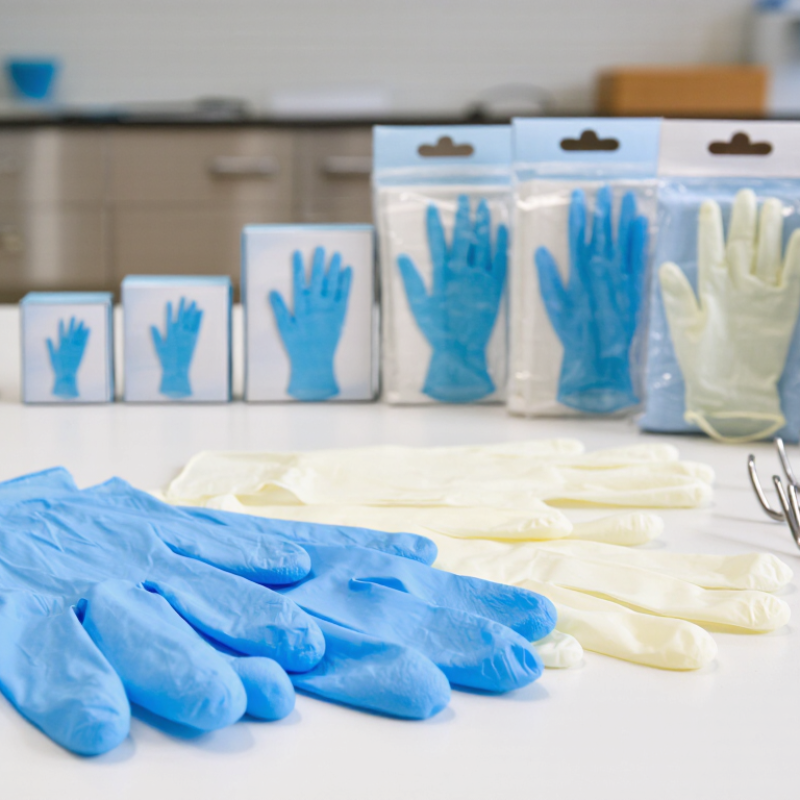
Attenuating exam gloves are gloves designed to reduce the amount of scattered X-ray radiation reaching the hands during certain imaging procedures. They may use materials that absorb or weaken some radiation, but performance varies by construction and energy range. Ordinary examination gloves do not provide meaningful radiation protection. The name can sound broader than it is.
For healthcare buyers, the key question is not simply whether gloves are labeled “attenuating.” Check product-specific test data, including the stated attenuation level and the conditions used for testing. Fit, flexibility, grip, and compatibility with the task matter too: a glove that restricts finger movement may make delicate work harder. These gloves are an added protective measure, not a substitute for keeping hands out of the primary beam, using appropriate shielding, or following facility radiation-safety procedures. Small details matter.
Tips: Review the technical documentation and involve your radiation-safety professional before purchasing. Do not assume all gloves offer the same protection. A brief trial with staff may reveal practical issues, though comfort alone cannot confirm attenuation performance.
| Dimension | What Buyers Should Know | Practical Purchasing Consideration |
|---|---|---|
| Meaning of “attenuating” | “Attenuating exam gloves” is not a standard material category for medical examination gloves. In general, attenuation means reducing or weakening transmission; glove performance depends on the specific substance, exposure conditions, and validated test data. | Ask for the exact protection claim and supporting test method rather than relying on the word “attenuating” alone. |
| Primary purpose | Medical examination gloves are used as a single-use barrier during patient care and examinations. They do not replace hand hygiene or other protective equipment required by the task. | Match glove selection to the procedure, anticipated contact, and workplace infection-control policy. |
| Nitrile | Nitrile examination gloves are synthetic rubber gloves and are commonly selected when a latex-free option is needed. Their suitability for chemicals varies by formulation, thickness, and exposure conditions. | Check the product’s medical-device status, fit, intended-use information, and chemical-resistance data when relevant. |
| Natural rubber latex | Latex gloves can provide a flexible fit, but natural rubber latex may cause allergic reactions in sensitized people. | Consider facility allergy policies and provide suitable non-latex alternatives where needed. |
| Vinyl (PVC) | Vinyl examination gloves are made from polyvinyl chloride. Fit, flexibility, and performance differ from those of nitrile and latex gloves; suitability depends on the intended task. | Review applicable product labeling and avoid assuming that one material is appropriate for every clinical or chemical exposure. |
| Standards and verification | Examples of material-specific ASTM specifications include ASTM D6319 for nitrile examination gloves, ASTM D3578 for rubber examination gloves, and ASTM D5250 for PVC examination gloves. Applicable requirements depend on market and product claims. | Confirm current editions, regulatory status, labeling, and the exact tests relevant to the intended use. |
| Fit and dexterity | An appropriate fit supports comfortable movement and tactile tasks. Sizing and hand shape can affect performance in practice. | Evaluate samples with representative staff and procedures before placing a large order. |
| Barrier claims | No examination glove should be assumed to block every infectious agent, chemical, or exposure. Performance claims require relevant evidence and are specific to test conditions. | Request test reports and consult occupational-health guidance for high-risk or chemical-handling tasks. |
| Overall buying decision | A suitable choice balances intended use, fit, material sensitivities, verified performance, availability, and total cost. | Use a documented selection process and reassess the choice when procedures, exposure risks, or applicable requirements change. |
In clinical use, “attenuation” means reducing direct contact with blood, secretions, and contaminated surfaces—not removing risk. Material choice affects barrier performance and hand control. Nitrile avoids natural rubber latex proteins and often offers good puncture resistance. Latex can provide stretch and tactile sensitivity, while vinyl may suit selected lower-risk tasks. These materials are not interchangeable; check intended-use information and follow facility protocols.
Fit and construction matter at the bedside. Textured fingertips can help when handling damp instruments, while a secure cuff helps cover the wrist during routine tasks. A loose glove may reduce fingertip control; a tight one can fatigue hands.
The WHO’s 2022 Global Report on Infection Prevention and Control estimates that 7 in 100 patients in acute-care hospitals in high-income countries acquire at least one healthcare-associated infection; in low- and middle-income countries, the estimate is 15 in 100. These figures are not glove-failure rates.
Gloves are one barrier, not a substitute for hand hygiene, and no material suits every procedure.
Tips: Choose the correct size, inspect gloves for visible defects, and change them between patients and contaminated tasks. Remove them carefully, then perform hand hygiene. A detail worth reconsidering: comfort matters, but it should never outweigh the glove’s intended use.
For healthcare buyers, the value of attenuating exam gloves depends on what exposure they are designed to reduce. In routine care, gloves provide a barrier against contact with blood and body fluids. They also help limit contamination during examinations and specimen handling. The World Health Organization’s 2022 Global Report on Infection Prevention and Control estimates that healthcare-associated infections affect 7 in 100 acute-care patients in high-income countries, and 15 in 100 in low- and middle-income countries. Those figures describe a wider infection-control challenge, not a problem gloves can solve alone. Fit matters. So does changing gloves between patients and tasks.
A practical benefit is more controlled handling of damp instruments, dressings, and sample containers. Buyers should compare fit, dexterity, cuff coverage, and documented barrier-test results against the intended use. Ask suppliers for current technical documentation, rather than relying on a broad “attenuating” claim. If attenuation refers to radiation, standard exam gloves should not be assumed to provide shielding; that requires product-specific evidence. I would not treat a glove’s thicker feel as proof of better protection. It can reduce touch sensitivity, too. No glove is magic. Hand hygiene, correct use, and staff training remain essential parts of a reliable program.
Selecting exam gloves starts with the task, not the packaging. A clinician handling small instruments may need thin material and dependable fingertip sensitivity. Longer procedures can make cuff length, grip, and hand fatigue more noticeable. Fit matters. Gloves that pull at the fingertips or bunch at the palm can slow careful work. If a product is described as “attenuating,” ask what performance the term refers to and request clear product documentation.
Material affects comfort, durability, and potential sensitivities. Compare nitrile, latex, and other available options against staff needs and the manufacturer’s stated use. Check whether the glove is powder-free and review its tested barrier claims. Do not assume an exam glove protects against every chemical or exposure. Check the label. For disinfectants or specialized tasks, confirm compatibility with the product instructions and facility policy.
Sizing deserves a practical trial. Have staff try gloves during routine tasks, such as opening a sterile package or turning a small instrument. Note whether donning is easy with dry hands, and whether the cuff stays in place. Buyers should also assess packaging, size availability, and supply consistency. A low unit price can be misleading if poor fit leads to frequent changes. Staff feedback is useful, though one short trial may not reveal problems during a full shift.
A useful benchmark when comparing glove options is the FDA-recommended water-leak Acceptable Quality Limit (AQL). Lower AQL values indicate a more stringent limit for defects in a tested batch.
Use AQL as one selection factor alongside intended use, fit, material compatibility, and applicable product requirements. AQL is a batch-level statistical quality measure, not the probability that an individual glove will leak.
Source: U.S. Food and Drug Administration (FDA), Medical Gloves.
Exam gloves work only when used at the right moment. CDC guidance recommends changing gloves between tasks when moving from a contaminated body site to a clean one, and removing them promptly after care. Perform hand hygiene after removal; gloves do not replace it. Fit matters. Check each glove for tears, and pull the cuff over the wrist without touching your face or clean supplies. WHO’s 2022 Global Report on Infection Prevention and Control estimates that 7 in 100 patients in acute-care hospitals in high-income countries, and 15 in 100 in low- and middle-income countries, acquire at least one healthcare-associated infection. These figures are not glove-failure rates, but they underline why small handling steps deserve attention.
Store unopened boxes in a clean, dry place, away from direct sunlight and heat, and follow the package’s storage instructions. Before use, check the expiry date and look for crushed boxes, damaged seals, or gloves that feel brittle or sticky. That check takes seconds. A rushed cupboard inspection can miss a damaged package. After use, remove gloves without snapping them, which can splash material, and place them in the facility’s designated waste stream. Follow local procedures when gloves are contaminated. Never wash or reuse disposable exam gloves. A bin placed near the point of care makes disposal easier, though it does not excuse skipping hand hygiene.
+1 (619) 661-5985
sale@roboticemotion.com
10030 Via de la Amistad San Diego CA 92154, United States
We can supply pre-cut pipes and roller tracks, with the appropriate number of joints and accessories; delivered in kit form as per your specifications.