Top 10 Types of Profile Wrapping Machines for Global Buyers

Profile wrapping technology is becoming more important as manufacturers seek cleaner finishes, faster changeovers, and consistent output. A Profile Wrapping Machine can cover wood, MDF, PVC, aluminum, and composite profiles with films, veneers, or decorative papers. Its value appears in practical details: stable adhesive temperature, even pressure rollers, accurate film tension, and minimal edge lifting.

Industry reports support this shift. PMMI’s 2024 Global Packaging Trends report identifies automation, labor shortages, sustainability, and operational flexibility as major packaging investment drivers. These pressures also affect profile production lines. Grand View Research reports continued growth in the global packaging machinery market through 2030, supported by automation and rising manufacturing output. Smithers’ sustainability studies further show that material efficiency and recyclable packaging formats are becoming stronger purchasing considerations. These findings do not make every machine suitable for every factory.

The top 10 types of Profile Wrapping Machine in this guide are organized around real buying conditions. They include roller-based systems, PUR adhesive machines, hot-melt units, automatic lines, and customized solutions for complex profiles. Each type offers different advantages in speed, bonding quality, maintenance, and material compatibility. Buyers should examine profile geometry, wrapping width, adhesive requirements, production volume, and local service support before comparing prices. A low-cost machine may appear attractive. Its hidden downtime can be expensive. Even published specifications require verification through samples, factory trials, and reference checks. This guide provides a practical starting point, but some recommendations may change with new materials, regulations, and automation standards.
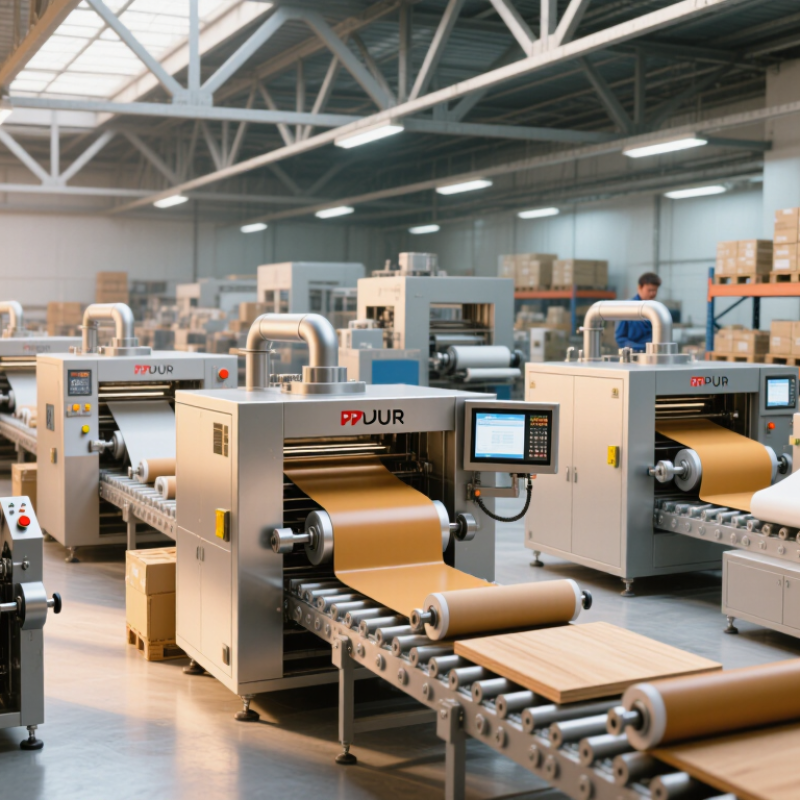
Top 10 Types of Profile Wrapping Machines for Global Buyers

Profile Wrapping Machine Fundamentals: 10 Types, 20–80 m/min, and Core Terms

Profile wrapping machines cover ten practical types: manual, semi-automatic, automatic, single-profile, multi-profile, straight-line, rotary, roller-pressure, vacuum-assisted, and hot-melt systems. These categories often overlap, which can confuse new buyers. A factory may describe one machine by feeding method and another by adhesive process.

Working speeds commonly range from 20 to 80 m/min. Actual output depends on profile width, film tension, adhesive curing, and operator loading.

Straight-line machines suit continuous production with consistent sections. Rotary models can reduce floor space but may require tighter setup control.

Roller-pressure systems handle stable surfaces well, while vacuum-assisted designs support delicate or irregular profiles. Hot-melt and PUR units provide strong bonding, but temperature control and cleaning routines matter.

Tips: Ask for a test run using your real profile, film, and adhesive. Check speed at acceptable wrapping quality, not empty-belt speed. Measure changeover time carefully. It often matters more than the advertised maximum. Confirm terms such as substrate, wrapping film, nip roller, unwind tension, curing time, and usable width. Experienced technicians also inspect edge alignment and corner pressure during trials. Small wrinkles reveal big problems. I would not choose the fastest machine automatically; higher speed can expose weak feeding, uneven heating, or unstable tension. Reliable purchasing needs documented samples, maintenance access, safety guarding, and clear acceptance criteria.

Types 1–3: EVA, PUR, and Hot-Melt Wrappers at 60–140°C

Types 1–3 cover EVA, PUR, and conventional hot-melt profile wrapping machines operating from 60–140°C. EVA systems are thermoplastic hot-melt machines, usually running near 120–140°C. They suit PVC foils, decorative papers, and stable production lines. Their solidification is fast, but heat-sensitive films may deform. Check the foil first.

PUR systems commonly operate around 100–140°C. They bond strongly to difficult substrates and continue curing through moisture after application. This creates durable joints, but opened adhesive should be protected from humidity. Nozzle cleaning also demands discipline. A small residue can disturb the glue bead.

Low-temperature hot-melt machines may work between 60–100°C, depending on adhesive formulation. They reduce thermal stress and energy demand, but their open time and final strength vary widely. The boundary is not always clean.

Grand View Research valued the global industrial adhesives market at approximately USD 53.5 billion in 2023 and projected a 5.6% compound annual growth rate through 2030. This expansion supports wider automation, yet market growth does not remove process risks. Buyers should compare temperature stability, glue consumption, pressure-roller control, and changeover time. ASTM D1002 and relevant supplier test methods can help verify bond performance, although laboratory results may not match dusty workshop conditions. Real production trials remain necessary.

Top 10 Types of Profile Wrapping Machines for Global Buyers - Types 1–3: EVA, PUR, and Hot-Melt Wrappers at 60–140°C

Type Adhesive System Typical Operating Temperature Adhesive Form Suitable Profile Materials Typical Wrapping Materials Main Advantages Key Limitations Common Applications
Type 1 EVA Hot-Melt Wrapper Approximately 100–140°C, depending on adhesive grade and coating method Solid pellets, granules, or blocks that are melted in a heated tank MDF, particleboard, wood, and selected aluminum or PVC profiles Paper, decorative foil, PVC film, PET film, and thin laminates Fast setting; widely available raw material; straightforward equipment design; suitable for continuous production Thermoplastic bond can soften under elevated heat; exposed glue lines may be more visible; moisture resistance varies by formulation Furniture trim, interior molding, decorative profiles, cabinet components, and general-purpose panel wrapping
Type 2 PUR Reactive Hot-Melt Wrapper Approximately 100–140°C during application; the final bond develops through moisture reaction after application Moisture-reactive solid hot-melt adhesive, supplied in cartridges, drums, or sealed containers MDF, wood, engineered boards, aluminum, PVC, and other compatible rigid profiles PVC, PET, PP-based films, decorative paper, veneer, and high-pressure laminates, subject to surface compatibility High moisture and heat resistance after curing; strong bond; thin adhesive line; well suited to demanding interior applications Higher equipment and maintenance requirements; adhesive must be protected from moisture before use; cleaning and changeover require care High-quality furniture components, kitchen and bathroom profiles, automotive interior parts, and moisture-exposed decorative elements
Type 3 Low-Temperature Hot-Melt Wrapper Approximately 60–100°C, depending on the low-temperature adhesive formulation Low-temperature hot-melt pellets, granules, or cartridges Heat-sensitive MDF, coated wood, PVC, composite, and selected plastic profiles Decorative films, paper foils, PVC films, and temperature-sensitive laminates Reduced thermal stress; lower risk of film distortion or substrate discoloration; quicker start-up and safer handling temperature Usually lower resistance to high service temperatures than PUR; performance depends strongly on adhesive grade, coating weight, and surface preparation Lightweight furniture trim, decorative moldings, coated profiles, retail fixtures, and heat-sensitive wrapped components

Note: Temperature ranges are typical operating guidelines rather than universal specifications. Final settings should be confirmed through adhesive technical data, profile surface compatibility tests, line speed, coating weight, and the required bond performance.

Types 4–6: Roller, Belt, and Vacuum Wrappers for 10–300 mm Profiles

Roller, belt, and vacuum wrappers suit different profile conditions from 10 to 300 mm. Roller wrappers apply steady pressure through paired rollers. They work well with rigid, straight profiles and consistent cross-sections. Film tension remains stable at moderate production speeds. However, rollers can leave pressure marks on soft surfaces. That detail is easy to miss.

Belt wrappers use continuous belts to guide irregular or fragile profiles. Their larger contact area reduces slipping during film application. This design helps protect painted, coated, or lightweight sections. Belt pressure must be calibrated carefully. Excessive pressure can distort thin walls or damage surface finishes. In practical trials, operators should test several film tensions, not one setting.

Vacuum wrappers remove air between the film and profile surface. They are useful for complex shapes, narrow channels, and moisture-sensitive products. Vacuum control also improves film conformity around edges. Yet excessive vacuum may create wrinkles or visible impressions. The Global Packaging Machinery Market was valued at about USD 50.3 billion in 2023, with Grand View Research forecasting roughly 5% annual growth through 2030. This wider trend supports investment, but niche profile equipment still requires application testing. According to PMMI’s 2024 industry reporting, automation and operational efficiency remain major packaging priorities in North America. Energy use, changeover time, and film waste deserve equal attention. A perfect first setup is rare. Manufacturers should measure surface quality, output stability, and waste across real profile batches.

Types 7–8: Foil and Veneer Wrappers for 0.05–2.0 mm Surface Materials

Type 7 profile wrapping machines are designed for thin foil, usually from 0.05 to 0.30 mm.

Their performance depends on accurate tension control, even adhesive metering, and stable edge folding. Wrinkles often appear near corners when the unwind brake is poorly adjusted. Operators should check roller alignment, glue temperature, and web tension during every shift. Small details matter. Some foils soften quickly under heat, while excessive pressure can damage gloss or printed patterns. In practical trials, a slower feed often produced cleaner surfaces than higher pressure.

Type 8 machines wrap veneer and other rigid surface materials from about 0.4 to 2.0 mm.

They require stronger pressing systems and careful handling of natural grain direction. Veneer moisture can affect bonding, especially around narrow edges. A panel may look flat immediately, then lift after cooling. That result deserves investigation, not a quick machine adjustment. Adhesive compatibility, pressing time, and profile geometry must be tested together.

Global buyers should request sample trials using their real profiles, foil, veneer, and adhesive.

Ask for measurable limits on speed, material thickness, edge radius, and heating temperature. A reliable supplier should provide repeatable test records, maintenance guidance, and operator training. Noise, glue buildup, and difficult cleaning points also matter in daily production. My own preference is to test several batches, because one successful sample can hide unstable results.

Types 9–10: CNC and Multi-Side Systems with ±0.5 mm Positioning Accuracy

CNC profile wrapping machines suit buyers handling frequent design changes, short runs, or complex mouldings. Their programmable axes adjust feed speed, cutting length, pressure, and tool position from a digital recipe. According to Grand View Research’s 2024 CNC machine market analysis, automation demand is supported by growing requirements for repeatable, flexible production. In practice, operators still need clean calibration. Dust, roller wear, and film tension can quietly reduce accuracy.

Multi-side wrapping systems process several profile faces in one pass. They use coordinated rollers, guided pressure zones, and automatic alignment to wrap edges, grooves, and narrow returns. A ±0.5 mm positioning specification is valuable for visible joints and matched decorative patterns. It is not magic. Actual results depend on substrate straightness, adhesive stability, temperature, and measurement method. ISO 230-2 provides a recognized framework for testing machine positioning performance, but factory conditions may differ.

The International Federation of Robotics reported 541,302 industrial robot installations worldwide in 2023. That growth reflects stronger interest in automated handling and repeatable placement. Buyers should request sample testing with their own profiles, films, and adhesives. Measure several cycles, not one perfect piece. Check changeover time, reject rates, operator access, and calibration records. A machine may claim ±0.5 mm, yet deliver less consistency after a long shift. That uncomfortable gap deserves attention.

×
img

    Contact Info

    PHONE NUMBER

    +1 (619) 661-5985

    EMAIL ADDRESS

    sale@roboticemotion.com

    ADDRESS INFO

    10030 Via de la Amistad San Diego CA 92154, United States