10 Best Digital Manufacturing Systems for 2026

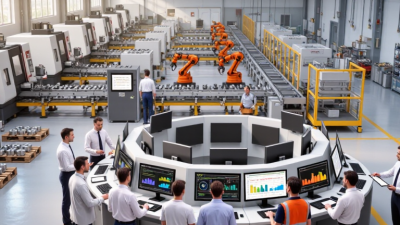
Digital manufacturing systems now connect production planning, engineering, machines, and quality data. Their value is practical: fewer blind spots on the factory floor, clearer production schedules, and faster responses when a line slows. Yet choosing a platform is not simple. A polished dashboard cannot fix poor data, outdated equipment, or unclear workflows. Real conditions matter.

Digital twin pioneer Dr. Michael Grieves describes a digital twin as “a set of virtual information constructs that fully describes a potential or actual physical manufactured product.” That idea helps explain why modern systems increasingly link physical operations with digital models. Still, software capabilities vary widely. Some platforms focus on manufacturing execution; others bring together product lifecycle management, analytics, or industrial connectivity. No platform is perfect.

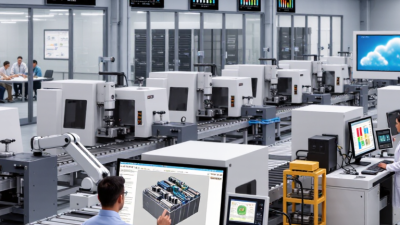
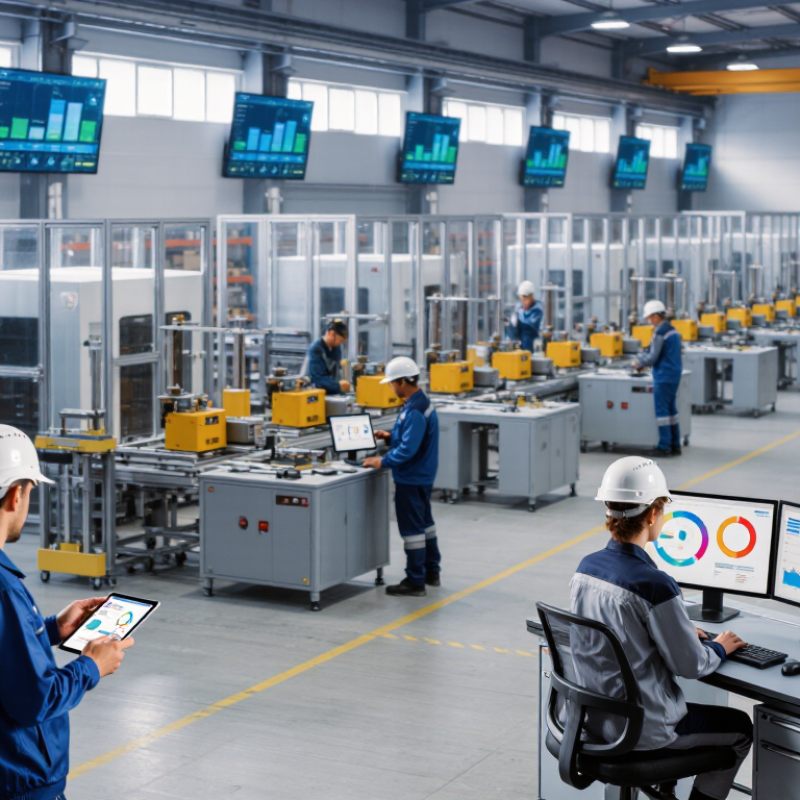
This guide to the 10 Best Digital Manufacturing Systems for 2026 compares leading options through practical criteria: integration, scalability, usability, deployment needs, and support for shop-floor decisions. It also considers what implementation can look like: an operator checking a tablet beside a packaging line, a planner tracing a delayed order, or an engineer reviewing machine data after a stoppage. Small details count.

The strongest choice depends on the facility, not the trend. A system that suits a multi-site manufacturer may overwhelm a small workshop. Buyers should verify vendor claims, test integrations, and involve production teams before committing. That work takes time. It can expose inconvenient gaps, too. The following overview offers a grounded starting point—not a substitute for a careful, site-specific evaluation.
10 Best Digital Manufacturing Systems for 2026

What Digital Manufacturing Systems Are and How They Work

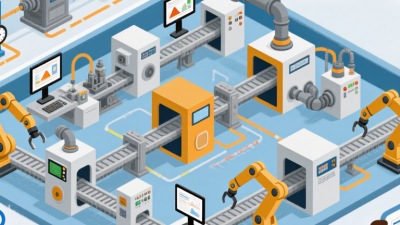
Digital manufacturing systems connect product design, production planning, machines, and quality records through shared digital workflows. They may combine design files, scheduling tools, machine controls, sensors, and production tracking. The goal is practical: help teams see what is being made, where work is delayed, and whether parts meet specifications. Less guesswork.

A typical process begins with a digital product design and a set of manufacturing instructions. Planning software turns these into tasks, material requirements, and machine schedules. During production, sensors and operator inputs can report temperatures, cycle times, machine stops, or inspection results. The system compares those records with expected values and flags differences for review. A supervisor might notice that one machine’s cycle time has risen steadily, then check its tooling before defects spread. Data is useful, but only when someone can interpret it.

Some systems also maintain a digital representation of a product or production line, updated with real operating data. This can help teams test schedule changes or investigate a bottleneck without interrupting the floor. Still, the model may be incomplete, and old or inconsistent data can create misleading confidence. Not every facility needs advanced simulation. Clear machine records and reliable work instructions may solve the more urgent problem. Integrating systems takes care, too; a mismatch in units or timing can quietly distort reports.

Core Features of Digital Manufacturing Systems in 2026

Digital manufacturing systems in 2026 connect machines, production data, and planning tools in one operational view. A supervisor might spot a stalled line on a tablet, then trace the issue to a temperature change recorded minutes earlier. Useful systems show where each figure came from, not just a polished dashboard. Clear timestamps and consistent equipment labels help teams trust what they see.

Real-time monitoring is only one core feature. Production scheduling should respond to material delays, machine availability, and changing order priorities. Digital twins can model a line adjustment before workers make it on the floor. Predictive maintenance tools can flag unusual vibration or heat, giving technicians time to inspect a component. Still, an alert is not a diagnosis. Human review matters.

Strong platforms also connect quality checks, inventory records, and energy use. A defect can then be linked to its batch, process settings, and inspection result. Access controls, audit trails, and secure data exchange protect operational records while supporting accountability. Integration can be messy. Older machines may report data in different formats, and automated recommendations can miss local knowledge. A practical system makes exceptions visible and lets staff correct inaccurate records without hiding the original entry.

10 Best Digital Manufacturing Systems for 2026 — Core Features of Digital Manufacturing Systems in 2026

This comparison covers ten complementary categories of digital manufacturing systems, rather than ranking individual vendors. Capabilities vary by implementation, facility, and industry.

No. System Type Core Features Typical Data Handled Primary Manufacturing Use Common Integration Points
1 Manufacturing Execution System (MES) Dispatches and tracks production orders; records work-in-progress, labor, machine events, and production results; supports electronic work instructions and traceability. Work orders, operation status, quantities, timestamps, labor records, material lots, and equipment events. Coordinating and documenting production on the shop floor. ERP, automation and control systems, quality systems, and product lifecycle management.
2 Product Lifecycle Management (PLM) Manages product definitions, engineering changes, revisions, bills of materials, and related design records across product development. CAD files, part records, engineering bills of materials, specifications, revisions, and change approvals. Maintaining controlled product information from design through manufacturing handoff. CAD and simulation tools, ERP, MES, and document management systems.
3 Enterprise Resource Planning (ERP) Supports enterprise planning and transactions, including purchasing, inventory, finance, order management, and production planning. Customer orders, purchase orders, inventory balances, routings, costs, and financial transactions. Connecting manufacturing activity with company-wide resource and business processes. MES, warehouse systems, supply-chain applications, PLM, and finance systems.
4 Advanced Planning and Scheduling (APS) Creates production schedules using factors such as capacity, material availability, due dates, and sequencing constraints; supports scenario analysis. Orders, work-center capacity, routings, calendars, inventory, and scheduling constraints. Balancing production demand with available resources and operational constraints. ERP, MES, inventory systems, and supply-chain planning applications.
5 Quality Management System (QMS) Manages inspections, nonconformances, corrective and preventive actions, audits, and controlled quality documentation. Inspection results, defect records, corrective actions, audit findings, and document revisions. Standardizing quality processes and documenting product or process conformance. MES, ERP, laboratory systems, supplier systems, and document control.
6 Industrial Internet of Things (IIoT) Platform Connects industrial equipment and sensors; collects, contextualizes, and visualizes operational data, often with event monitoring and edge processing. Sensor readings, machine states, alarms, process variables, and equipment identifiers. Making machine and process data available for monitoring, analysis, and applications. Industrial control systems, historians, MES, analytics tools, and maintenance systems.
7 Digital Twin Platform Links a digital representation of a product, process, or asset with relevant engineering or operational data; supports simulation and lifecycle analysis. Geometry, asset structure, operating conditions, process parameters, and historical or live data. Evaluating designs, processes, or asset behavior using digital models and associated data. PLM, engineering simulation, IIoT platforms, MES, and asset information systems.
8 Manufacturing Operations Management (MOM) Coordinates and monitors manufacturing operations across areas such as production, quality, inventory, and maintenance; may encompass or connect multiple shop-floor applications. Production performance, resource status, work instructions, quality events, and material movement. Providing a broader operational view and coordinating processes across manufacturing functions. ERP, MES, QMS, warehouse systems, and maintenance applications.
9 Warehouse Management System (WMS) Controls warehouse processes such as receiving, put-away, inventory location management, replenishment, picking, and shipping. Item identifiers, quantities, locations, receipts, picks, shipments, and lot or serial details where applicable. Managing materials and finished goods moving through warehouses and production stores. ERP, MES, transportation systems, barcode or RFID devices, and automation equipment.
10 Computerized Maintenance Management System (CMMS) Plans and records preventive maintenance, work orders, inspections, spare parts, and equipment maintenance history. Asset records, work orders, maintenance schedules, failure codes, labor, and spare-parts usage. Organizing maintenance work and maintaining records of equipment condition and service. IIoT platforms, ERP, inventory systems, production systems, and condition-monitoring tools.

How to Evaluate and Compare Manufacturing Platforms

Evaluating a digital manufacturing platform starts with the factory floor, not the feature list. Can it connect to existing machines, sensors, and planning systems without forcing a costly replacement? Test data flow at one production line: check whether operators can see downtime causes, batch history, and quality alerts on a single screen. Deloitte’s 2024 Smart Manufacturing and Operations Survey, covering 600 manufacturing executives, found 86% expect smart manufacturing to drive competitiveness within five years. That expectation is not a business case. Buyers still need measurable targets, such as fewer unplanned stoppages or shorter changeovers.

Compare platforms using the same practical criteria: integration effort, cybersecurity controls, traceability, ease of use, and total operating cost. Ask teams to follow one real order from scheduling through inspection. Note where data is entered twice, or where an alert arrives too late. Small details matter. The World Economic Forum’s 2023 Global Lighthouse Network report counted 132 recognized production sites, showing how varied real-world deployments can be. Their results should inform questions, not serve as guaranteed forecasts for another factory.

A pilot should include operators, maintenance staff, and IT—not only executives. Track baseline performance before testing, then review results over several production cycles. Include training time and maintenance workload in the comparison; these costs are easy to underestimate. No platform removes messy data or unclear processes by itself. That is the awkward part. Ask suppliers for evidence from comparable production environments, and document any unanswered questions before expanding.

Ten Leading Digital Manufacturing Systems for 2026

For 2026, the ten leading digital manufacturing systems are best understood as connected tools, not a universal ranking. They include manufacturing execution, enterprise resource planning, product lifecycle management, advanced planning and scheduling, quality management, maintenance management, supervisory control, industrial IoT, digital twins, and production analytics. Each addresses a different production challenge, from tracing a batch to spotting a failing motor.

Deloitte and MAPI’s 2025 Smart Manufacturing and Operations Survey, based on 600 manufacturing executives, found that 92% expect smart manufacturing to drive competitiveness within three years. That matters. But ambition is not proof of results. A live machine-data feed, for example, helps only when operators can trust its readings and act on them. Not automatically.

A practical selection starts on the factory floor. Check whether systems share timestamps, product identifiers, and usable data; then test them against a real shift, not just a polished demonstration. A maintenance tool should flag recurring vibration before a motor overheats. A planning system should reflect late materials and actual line capacity. Integration can be messy, and older equipment may expose gaps. I would treat that friction as a design constraint, not a footnote.

Choosing a System for Different Manufacturing Needs

Choosing a digital manufacturing system starts with the production problem, not the software category. A discrete factory may need work-order tracking, electronic instructions, and machine-level visibility. A process plant may prioritize batch genealogy, recipe control, and quality records. Start with the bottleneck. If operators still copy readings from a machine screen onto paper, prioritize reliable data capture before advanced analytics. A dashboard can still lie when its inputs are late or inconsistent.

Deloitte’s 2023 Smart Manufacturing and Operations Study reported that surveyed manufacturers anticipated 10–20% higher production output, 7–20% greater workforce productivity, and 10–15% more unlocked capacity from smart manufacturing investments. These are potential gains, not guarantees. Smaller plants often benefit from a focused execution system with clear scheduling and traceability. Multi-site manufacturers may need shared data definitions, role-based access, and integration across production and planning. Small pilots matter. Test the system on one line, including shift handoffs and equipment downtime, before expanding. Also assess deployment options against connectivity, cybersecurity, and maintenance skills. Cloud access can ease updates, while local processing may suit time-sensitive operations. No platform fixes a confused workflow. Teams should map exceptions and operator decisions before writing requirements; that step is easy to rush.

10 Digital Manufacturing System Types for 2026

Core-function breadth by system type. Bars count the common functions listed for each category; this is a selection guide, not a vendor ranking or performance score.

Choose by operational need: MES for shop-floor execution, APS for finite-capacity scheduling, QMS for quality workflows, and other systems for their corresponding core domains. Actual capabilities vary by implementation.

×
img

    Contact Info

    PHONE NUMBER

    +1 (619) 661-5985

    EMAIL ADDRESS

    sale@roboticemotion.com

    ADDRESS INFO

    10030 Via de la Amistad San Diego CA 92154, United States