Choosing a reliable Drum Melter manufacturer in China requires more than comparing catalog prices. Global buyers need stable heating, safe material handling, accurate temperature control, and responsive technical support. This guide introduces ten leading Chinese manufacturers serving international markets, with attention to production capability, engineering experience, export performance, and customization options.
In practice, a Drum Melter may operate beside adhesive drums, sealant containers, resin barrels, or other temperature-sensitive materials. Small design details matter. Insulation quality affects energy use. Hydraulic lifting systems influence loading safety. Scraper geometry can affect discharge consistency. Buyers should also examine heating zones, control-panel language, voltage compatibility, spare-part access, and documented factory testing.
The selection considers more than online visibility. It looks at product specifications, manufacturing evidence, customer-service systems, certifications, and project suitability. No list is perfect. That deserves attention. A supplier may perform well for standard 200-liter drums but struggle with unusual materials or continuous production demands. Factory visits, video inspections, sample trials, and clear contracts can reduce that uncertainty.
Reliable manufacturers should explain technical limits instead of making vague promises. They should provide drawings, manuals, electrical details, and realistic delivery schedules. International buyers must also confirm applicable safety requirements in their destination markets. Standards and installation conditions can differ. This article offers a practical starting point, not a substitute for engineering verification. Careful comparison remains essential. 大发棋牌
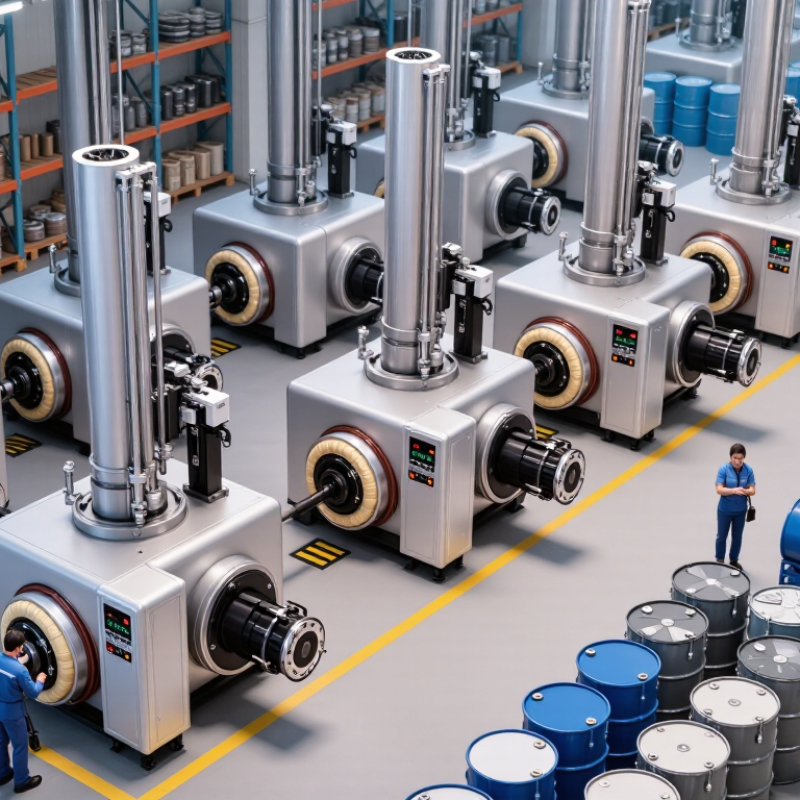
For global buyers comparing China’s top ten drum melter manufacturers, technology should come before appearance. A reliable drum melter uses controlled heating zones, insulated walls, and stable pressure delivery. Common designs include platen, hot-air, and hybrid heating systems. Each option affects melting speed, energy use, and material consistency. In production audits, I would check temperature uniformity at several points, not only the control panel.
Design details matter during daily operation. Hydraulic lifting should move smoothly around heavy drums. Scrapers must resist wear without damaging sensitive materials. Heated hoses need flexible insulation and secure connections.
These machines support adhesives, waxes, resins, sealants, and other industrial compounds. Some applications need gentle heating, while others require strong output and continuous feeding.
A practical design also allows quick cleaning and safe drum replacement. It sounds simple, but poor access can slow a whole shift. No specification is perfect.
Tips: Ask for heating curves, power data, and material compatibility records. Request a factory test with your actual drum size and product viscosity. Check emergency stops, guarding, spare-part access, and operator training. Do not judge capacity by melting speed alone. Stable flow often matters more. Also, leave room for doubt; laboratory results may change under dusty, cold, or uneven factory conditions.
China Top 10 Drum Melter Manufacturers for Global Buyers
Choosing a drum melter manufacturer requires more than comparing online prices. Start with heating performance, drum compatibility, and control accuracy. Ask for the working temperature range, melting time, and output under real production conditions. A reliable supplier should explain how insulation reduces heat loss and protects operators from hot surfaces. Request test videos using materials similar to yours. A polished catalog is not proof.
Inspect the factory’s quality system, welding details, electrical components, and final testing records. Check whether the manufacturer provides clear manuals, spare parts, installation guidance, and responsive after-sales support. Export experience also matters, especially when packaging, voltage, and delivery schedules differ by market. Independent certifications can help, but verify their scope and validity. Do not accept vague claims about “high efficiency.” Ask for measurable data.
Tips: Compare at least three technical proposals. Request a sample factory inspection report. Confirm warranty coverage in writing. Speak with previous buyers when possible. Small details reveal reliability. I would also review the emergency stop design and temperature alarm settings. These features may seem ordinary, yet weak controls can create costly downtime. Some buyers focus heavily on price and regret it later. A lower quote may hide thinner insulation, limited testing, or difficult spare-part access. Evaluate the complete ownership cost before signing.
China’s leading ten drum melter manufacturers serve adhesive, sealant, coating, and thermoplastic processing lines. Their main strengths include stable heating, practical automation, and adaptable drum compatibility. Most suppliers offer single- or dual-drum systems for continuous production.
Electric heating zones surround the drum evenly. This design reduces cold spots and limits material scorching. Several manufacturers use independent temperature controllers for the platen, hose, and applicator. These settings help operators maintain consistent viscosity during long shifts. Hydraulic or pneumatic rams also support steady material feeding. Some suppliers provide PLC control, touchscreens, alarm records, and recipe storage. Useful details matter.
From my equipment evaluations, stainless steel contact surfaces are easier to clean and inspect. Reliable suppliers also explain heating power, melting capacity, pressure range, and compatible drum sizes clearly. Their stronger factories usually perform leak checks, temperature testing, and continuous running trials before shipment. Export teams may provide wiring diagrams, manuals, spare parts, and remote commissioning support. However, not every supplier measures performance in the same way. Marketing claims can hide differences in actual melt rates and energy use. Buyers should request test videos, factory records, and sample-based trials. A small mistake in material compatibility can cause blockages, uneven bonding, or unnecessary maintenance. Some units still need better insulation and simpler interface design. That weakness deserves attention during technical discussions.
An anonymized comparison of common China-made drum melter configurations and their principal product strengths for international purchasing evaluation.
| Rank | Anonymous Manufacturer Profile | Typical Drum Format | Heating Configuration | Typical Heating Power | Operating Temperature | Discharge Method | Control and Safety Features | Primary Product Strength | Suitable Materials | Global Buyer Considerations |
|---|---|---|---|---|---|---|---|---|---|---|
| 1 | Profile 01 | 200 L steel drum 55 US gal equivalent | Electric heating plate with insulated enclosure | 6–12 kW | Ambient to approximately 200°C | Gravity discharge or heated bottom outlet | Digital temperature controller, over-temperature protection, emergency stop | High-output melting Fast heat-up | Resins, adhesives, waxes, asphalt-related compounds | Confirm voltage, frequency, drum dimensions, and outlet connection before ordering. |
| 2 | Profile 02 | 20–200 L drums and pails | Flexible electric band heaters | 1–8 kW | Ambient to approximately 250°C | Pump-assisted or manual transfer | Adjustable thermostat, thermal insulation, removable heater bands | Flexible sizing Compact footprint | Oils, greases, adhesives, coatings, process chemicals | Useful where multiple container sizes are handled; verify band-heater contact and insulation quality. |
| 3 | Profile 03 | 200 L open-head drum | Water-jacket or water-bath heating system | 9–18 kW | Approximately 30–95°C | Drum pump or bottom discharge | Water-level monitoring, temperature display, low-water protection | Uniform heating Gentle processing | Food-grade fats, waxes, syrups, temperature-sensitive compounds | Requires water management and suitable drainage; often selected for reduced hot-spot risk. |
| 4 | Profile 04 | 200 L steel or plastic drum | Thermal-oil jacket or indirect heating chamber | 6–15 kW electric equivalent | Approximately 40–180°C | Heated pump, flexible hose, or bottom valve | PID temperature control, insulated jacket, independent high-limit cutout | Stable temperature Indirect heating | High-viscosity resins, sealants, polymers, specialty compounds | Check thermal-fluid specifications, service intervals, and compatibility with the container material. |
| 5 | Profile 05 | 25–100 L pails and small drums | Top-mounted heating plate with follower plate | 2–6 kW | Ambient to approximately 180°C | Follower-plate pump or pneumatic extrusion | Pressure regulation, temperature sensor, lid sealing, emergency stop | Low material waste Controlled dispensing | Hot-melt adhesives, sealants, viscous resins | Best suited to clean, metered dispensing; confirm follower-plate diameter and seal material. |
| 6 | Profile 06 | 200 L closed-head drum | External heating cabinet with air circulation | 6–12 kW | Ambient to approximately 150°C | Existing drum outlet, pump, or siphon system | Air-temperature sensor, fan circulation, door interlock, overheat alarm | Non-contact heating Simple installation | Oils, lubricants, waxes, and packaged liquid compounds | Suitable for intact containers; verify heat transfer time and cabinet ventilation requirements. |
| 7 | Profile 07 | 200 L drum with optional pallet loading | Bottom-heated melting platform | 9–18 kW | Ambient to approximately 220°C | Bottom outlet with heated transfer line | Load-cell option, programmable controller, high-temperature cutoff | Industrial throughput Easy drum handling | Bitumen, asphalt compounds, resins, industrial adhesives | Evaluate floor loading, forklift access, transfer-line heating, and pump capacity. |
| 8 | Profile 08 | 20–200 L drums | Explosion-protected electric heating option | 3–15 kW | Ambient to approximately 160°C | Closed transfer using pump or pressurized discharge | Grounding terminal, sealed controls, temperature limiter, optional hazardous-area configuration | Safety-oriented design Closed processing | Solvent-containing coatings, oils, chemicals, and combustible liquids | Hazardous-area classification must be confirmed by the buyer before equipment selection. |
| 9 | Profile 09 | 200 L drum or two-drum arrangement | Electric heating chamber with independent zones | 12–24 kW | Ambient to approximately 200°C | Individual pumps or shared heated manifold | Multi-zone control, timer function, alarm output, thermal insulation | Higher capacity Parallel operation | Bulk adhesives, waxes, resins, oils, and process materials | Confirm power supply capacity, control-zone layout, and whether simultaneous heating is required. |
| 10 | Profile 10 | 20–200 L drums and custom containers | Modular heating system with interchangeable fixtures | 2–15 kW | Ambient to approximately 180°C | Manual outlet, pump, or custom heated hose | Modular sensors, digital display, adjustable mounting, over-temperature protection | Customization Application adaptability | Waxes, oils, adhesives, coatings, resins, and specialty formulations | Provide container drawings, material data, target throughput, and electrical requirements for accurate configuration. |
Technical note: Capacity, power, temperature, discharge, and safety specifications vary by configuration. Final selection should be based on the material’s viscosity, melting point, thermal sensitivity, container dimensions, required throughput, electrical standard, and applicable local safety regulations.
China Top 10 Drum Melter Manufacturers for Global Buyers
Capacity is not everything. A credible comparison should examine hourly throughput, drum size, heat-up time, and temperature stability. The U.S. Department of Energy’s 2022 Industrial Decarbonization Roadmap identifies process heating as about 51% of manufacturing energy use. Therefore, heating efficiency deserves equal attention. Electric resistance systems offer clean, precise control, while thermal-oil and gas systems may provide faster heating for high-volume operations. Buyers should request energy consumption data per melted tonne, not only maximum capacity.
Automation separates basic equipment from production-ready systems. Useful features include programmable temperature profiles, automatic drum positioning, material-level sensors, alarm records, and remote diagnostics. A practical factory test should measure discharge consistency across several cycles. The International Energy Agency’s Energy Efficiency 2023 report estimates that industry represents roughly 37% of global final energy demand. Even small control improvements can reduce waste over long operating hours. Still, reported savings may depend on material viscosity, ambient temperature, and operator habits.
Safety needs physical evidence. Look for insulated surfaces, emergency stops, over-temperature protection, guarded lifting systems, and spill containment. Independent inspection records are more reliable than attractive brochures. Capacity is often overstated. A 24-hour output figure may ignore loading, cleaning, and drum changes. Buyers should compare usable capacity under real shift conditions. I would also question systems lacking documented maintenance intervals, electrical certifications, and operator training records. Small details matter.
When evaluating Chinese drum melter manufacturers, export capability deserves close attention. Experienced suppliers should provide commercial invoices, packing lists, shipping documents, and clear product classifications. Confirm the destination voltage, frequency, plug design, and heating requirements before placing an order. Small mismatches can delay installation.
Certification must match the buyer’s market, not merely the factory’s domestic practice. Request current test reports, electrical safety documents, material declarations, and quality management certificates. Check whether certificates cover the exact model and configuration. A copied document is not enough. Independent verification may be worthwhile for regulated industries.
Customization often includes drum size, heating temperature, insulation, control panels, lifting structures, and protective features. Ask for drawings before production. A useful supplier should explain heat-up time, temperature accuracy, energy use, and maintenance access in practical terms.
Buyer support should include remote commissioning, operating manuals, spare-part lists, and responsive technical contacts. Factory acceptance testing with photographs or video can reduce uncertainty before shipment.
However, no checklist is perfect. Real operating conditions may expose issues that specifications overlook. Allow time for adjustments, especially when materials, climate, or power quality differ from the test environment.
Packaging should protect heaters, sensors, and control components during long-distance transport. Clarify warranty coverage, response times, and responsibility for replacement parts in writing.
+1 (619) 661-5985
sale@roboticemotion.com
10030 Via de la Amistad San Diego CA 92154, United States
We can supply pre-cut pipes and roller tracks, with the appropriate number of joints and accessories; delivered in kit form as per your specifications.