What is a Linear Pneumatic Actuator and How Does it Work?
Linear Pneumatic Actuators are vital components in various industries, facilitating precise motion control. According to Dr. Emily Carter, an expert in industrial automation, "Linear pneumatic actuators revolutionize how machines perform tasks with speed and accuracy." These systems use compressed air to create linear motion, offering a reliable solution for numerous applications.
The operation of a linear pneumatic actuator involves several critical components. A cylinder, piston, and air supply work together, converting air pressure into mechanical force. This technology is widely utilized in manufacturing, robotics, and even automotive industries. The versatility of linear pneumatic actuators allows them to function effectively in different environments.
While their efficiency is commendable, challenges exist. For instance, maintenance is essential to prevent air leaks and ensure optimal performance. Additionally, understanding the specifications and limitations of these actuators requires expertise. Continuous improvement in design and functionality is necessary for ongoing industry growth.
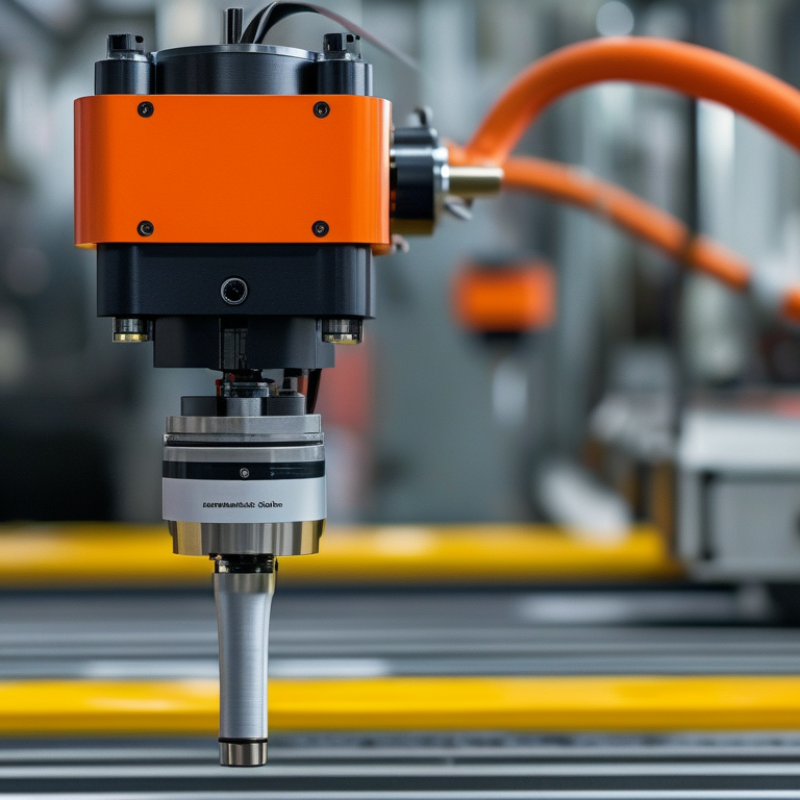
Definition and Basic Principles of Linear Pneumatic Actuators
Linear pneumatic actuators are devices that convert compressed air into mechanical motion. They are often used in industrial applications for automation. When air enters the actuator, it fills a cylinder, creating pressure. This pressure pushes a piston, resulting in linear movement. The degree of displacement depends on the airflow and pressure applied.
A key principle behind these actuators is their efficiency. They can produce significant force with minimal energy. However, using compressed air has its drawbacks. Air leaks can diminish performance over time. Proper maintenance is crucial to ensure longevity. Additionally, fluctuations in air supply can lead to inconsistent operation. Observing these imperfections can help improve future design and application.
In various industries, linear pneumatic actuators freely facilitate workflow. They are durable and versatile. Yet, it’s important to consider their limitations. Understanding the application and potential challenges can guide effective usage. A mix of creativity and technical knowledge often leads to the best outcomes in pneumatic systems.
Components of Linear Pneumatic Actuators and Their Functions
Linear pneumatic actuators play a crucial role in various industrial applications. Their components significantly affect efficiency and performance. A typical actuator includes a cylinder, piston, and control valves. The cylinder houses the piston, which converts compressed air into linear motion. This transformation is vital in automation processes.
The control valves manage airflow, dictating the actuator's speed and force. Proper selection of these valves is crucial for optimizing performance. According to industry reports, pneumatic actuators can improve processing times by up to 30% when parts are combined efficiently. However, incorrect valve selection or integration can lead to inefficiencies and even equipment failure.
Another notable component is the seals used in actuators. They prevent air leakage and maintain pressure. However, worn seals can reduce efficiency by 15% or more. Organizations must regularly monitor these components to ensure optimal operation. This ongoing maintenance can lead to unexpected costs, but neglecting it can result in significant downtimes. Balancing these factors is essential for sustainable operations in manufacturing and automation.
Components of Linear Pneumatic Actuators and Their Functions
Mechanism of Action: How Linear Pneumatic Actuators Operate
Linear pneumatic actuators are essential tools in various industries. They convert compressed air into linear motion. This process provides precise control and efficient movement. The mechanism is straightforward, yet effective.
In operation, compressed air enters the actuator, moving a piston within a cylinder. This pushes the piston rod forward or backward. The motion achieved can be finely adjusted by controlling the air pressure. However, fluctuations in pressure can lead to inconsistent performance. Proper calibration is crucial for optimal functioning.
These actuators offer significant advantages, such as speed and force. They're often used in robotic systems, automation, and material handling. But there can be challenges. For example, air leaks can hinder efficiency. Regular maintenance helps mitigate this issue, ensuring reliability over time. Understanding these mechanics is key to maximizing actuator performance.
Applications of Linear Pneumatic Actuators in Various Industries
Linear pneumatic actuators play a crucial role in various industries, from manufacturing to packaging. These devices convert compressed air into linear motion. This motion is vital for moving components or assemblies precisely and efficiently. They can handle heavy loads, making them ideal for automation in factories.
In the automotive sector, these actuators are often used for assembly lines. They assist in the positioning and clamping of parts during manufacturing. In the aerospace industry, they contribute to testing and assembly processes, ensuring high precision. Food and beverage industries utilize them for packaging, ensuring safe and swift movement of products.
While pneumatic actuators are efficient, they also have limitations. For instance, they may not perform well in extreme temperatures. Maintenance can be overlooked, leading to performance issues. Ensuring a reliable operation requires regular inspections and replacement of worn-out parts. This aspect is critical in industries where failure can lead to significant downtime or safety hazards.
What is a Linear Pneumatic Actuator and How Does it Work? - Applications of Linear Pneumatic Actuators in Various Industries
| Application Area | Function | Advantages | Common Industries |
| Automotive Assembly | Move components and parts during assembly lines | High speed and efficiency | Automotive |
| Manufacturing | Control of machinery for cutting and shaping | Precision control and reduced cycle times | Manufacturing |
| Food Processing | Automate packaging and sorting of products | Hygienic operation and reliability | Food and Beverage |
| Construction | Support for lifting and moving heavy objects | Safety and efficiency in heavy load handling | Construction |
| Textile Industry | Control of weaving and cutting processes | Enhanced throughput and quality control | Textiles |
Advantages and Disadvantages of Using Linear Pneumatic Actuators
Linear pneumatic actuators are common in various industrial applications. They offer notable advantages. These actuators are known for their speed and efficiency. They can provide rapid movement with minimal downtime. The ability to control with precision makes them ideal for automated processes.
However, there are also disadvantages to consider. Linear pneumatic actuators can be affected by air quality. Contaminated air can lead to wear and tear. Additionally, they may require a constant air supply. This can result in operational costs that add up over time.
Maintenance is another important factor. Regular checks are necessary to ensure proper function. Neglecting this can lead to unexpected breakdowns. Despite their benefits, these actuators may not suit every application. Evaluating specific needs is critical for effective implementation.


