As businesses increasingly turn to technology for innovative solutions, Vr Game adoption has surged. According to a recent report by Newzoo, the global VR gaming market is expected to reach over $12 billion by 2024. This trend indicates a growing recognition of VR as a powerful tool for engaging customers and enhancing user experience.
Selecting the right VR game for your business needs can be challenging. Many companies overlook essential factors, such as user demographics and specific industry requirements. A report from market research firm Statista highlighted that 35% of businesses expressed dissatisfaction with their VR solutions, often due to misalignment with objectives. Companies must critically assess their goals before diving into the VR world.
The right VR game can transform training, marketing, or customer engagement. However, businesses need to study the market carefully. Addressing potential pitfalls is crucial. Not every VR game fits all purposes. Recognizing the unique needs of your audience is essential in making an informed decision.
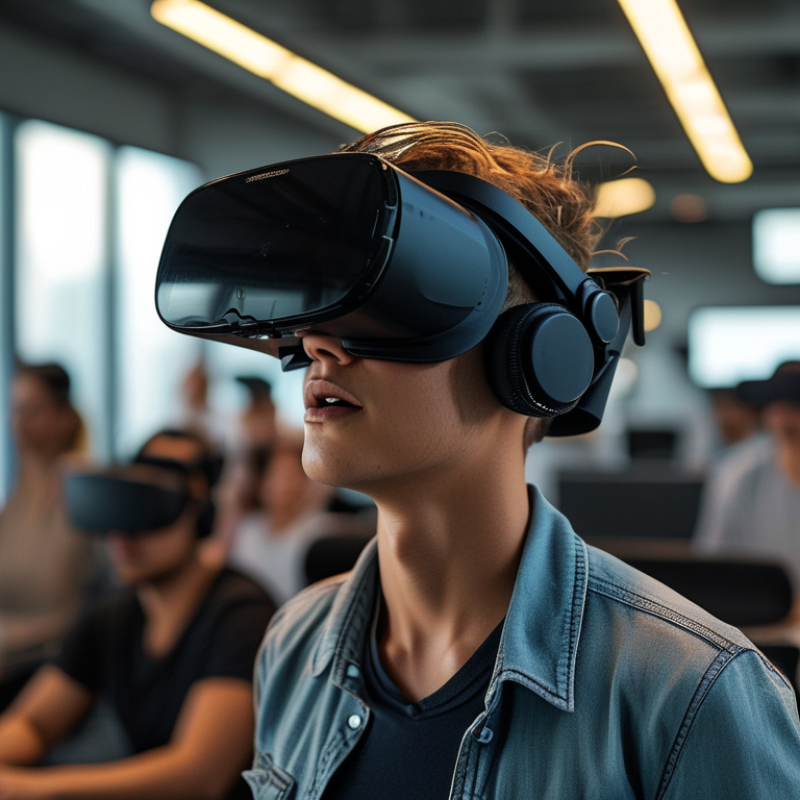
When considering VR gaming for your business, understanding your objectives is crucial. Are you aiming to enhance training, improve customer engagement, or stimulate team collaboration? Articulating these goals will guide you toward the right game. Each VR game excels in different areas; some focus on immersive training experiences, while others prioritize storytelling or interaction.
Defining your target audience is equally important. Consider your team's skill level and the technology they have access to. Some employees might thrive in a competitive environment, while others benefit from collaborative activities. Recognize these differences to choose a game that fosters participation without causing frustration.
Also, reflect on the long-term benefits. Will the game provide ongoing value or just a short-term boost? Regularly assess its impact on your business objectives. This ensures the chosen VR game aligns with evolving needs and remains relevant. Balancing immediate enjoyment with strategic goals can be challenging. Involve team members in the decision-making process for varied perspectives and increased buy-in.
| Business Objective | VR Game Type | Target Audience | Key Features | Estimated Costs |
|---|---|---|---|---|
| Employee Training | Simulation | Corporate Staff | Interactive Scenarios, Performance Tracking | $5,000 - $15,000 |
| Product Demonstration | Interactive Experience | Potential Customers | 3D Product Models, Customizable Options | $10,000 - $25,000 |
| Marketing & Promotion | Gamified Experience | General Public | Engaging Storyline, Shareable Content | $8,000 - $20,000 |
| Team Building | Multiplayer Games | Teams within the Company | Collaboration Tasks, Group Challenges | $6,000 - $18,000 |
Understanding your target audience is key when selecting a VR game for your business. Begin by researching who will use the game. Consider their age, interests, and experience with technology. Knowing your audience helps tailor the user experience. For instance, a younger audience might prefer action-packed games, while older users may favor immersive storytelling.
User experience is paramount. Think about how users will interact with the game. Smooth navigation and engaging content are crucial. Test the game with a small group before full deployment. You might discover aspects that confuse or frustrate users. Solicit feedback and be prepared to make adjustments. A successful VR game should be intuitive and enjoyable for all.
Lastly, consider the accessibility of the game. Not all users have the same physical capabilities. Adaptations may be necessary to ensure inclusivity. This can create a broader audience and enhance engagement. Balancing these elements can lead to a more effective and appealing VR experience. Reflect on what resonates with your audience and adapt accordingly.
Choosing the right virtual reality (VR) game for business applications can significantly impact training and productivity. A study by PwC revealed that VR training can be up to four times more effective than traditional methods. This statistic highlights the importance of selecting the appropriate type of VR experience that aligns with your business goals.
There are different categories of VR games suited for various business needs. Training simulations offer immersive experiences for employees to practice skills in a risk-free environment. On the other hand, VR team-building games can enhance collaboration and morale among staff. It's crucial to consider the specific objectives of your organization when evaluating these options.
Tip: Look for games that offer analytics to measure performance. This data can provide insights into employee engagement and skill development.
Some businesses might invest heavily in high-end VR setups, only to find they lack the necessary content. This misalignment can lead to wasted resources and unmet expectations. Taking the time to assess your company's capabilities and goals will result in a more effective VR game choice.
Tip: Engage employees in the selection process. Their input can help ensure the chosen game resonates well and meets their needs.
When selecting a VR game for your business, assessing technical requirements is critical. You must evaluate the hardware capabilities of your existing systems. Is your setup powerful enough to handle advanced graphics and processing? Many VR games demand high-performance specs, ensuring a smooth experience. This can include assessing GPU and RAM needs. Each game may have different requirements, so thorough research is essential.
Compatibility is another vital aspect. Consider the devices your team uses. Are the VR headsets compatible with the chosen game? Some games are designed for specific hardware, limiting options. It's important to ensure that your device can run the software seamlessly, as glitches can frustrate users and impair the training or entertainment purpose. Regular compatibility testing can become a part of your workflow, allowing for timely updates.
Exploring additional features can also help refine your choices. Look for games offering multi-user capabilities, enhancing collaboration within your team. However, do not overcommit to features that may not align with your specific goals. Reflecting on your business objectives can guide you to the best VR solution.
When considering virtual reality (VR) games for your business, budgeting is crucial. The costs associated with VR implementation vary significantly. These can include software development, hardware purchases, and ongoing maintenance. Analyzing these expenses helps you understand the financial commitment involved. Many businesses underestimate the cost of high-quality VR experiences, leading to budget overruns.
It’s also important to consider the potential return on investment (ROI). Will the VR game engage customers effectively? Can it enhance training programs? Calculating the expected benefits against the costs provides a clearer picture. Gathering data to forecast ROI can feel daunting. However, investing time in this analysis pays off in the long run.
Don’t overlook hidden costs. They can arise from content updates or technical support. VR technology evolves rapidly, and ongoing costs may add up quickly. Businesses often find themselves unprepared for these financial demands. Reflecting on past experiences and gathering insights can guide better budgeting decisions. Careful planning ensures that your VR game aligns with your business needs and financial capabilities.
+1 (619) 661-5985
sale@roboticemotion.com
10030 Via de la Amistad San Diego CA 92154, United States
We can supply pre-cut pipes and roller tracks, with the appropriate number of joints and accessories; delivered in kit form as per your specifications.