How to Choose the Right RFID Reader for Your Business Needs?
In today's fast-paced business environment, choosing the right RFID Reader is crucial. According to a report by the RFID Journal, the RFID market is projected to grow at a compound annual growth rate (CAGR) of 14% from 2021 to 2026. This growth highlights the increasing demand for efficient inventory management and tracking solutions. However, selecting the best RFID Reader can be daunting due to diverse needs and technologies available.
Understanding your specific business requirements is essential. Different RFID Readers offer various functions and capabilities. A study from the International Journal of Information Management emphasizes the importance of compatibility with existing systems and scalability for future growth. Businesses must consider factors such as read range, frequency, and the environment where the RFID Reader will operate.
Investing in the wrong technology can lead to inefficiencies. The RFID Reader should not only meet current demands but also adapt to future challenges. Taking the time to assess your needs can lead to more informed decisions. By carefully evaluating options, businesses can enhance operational efficiency and improve overall productivity in their supply chains.
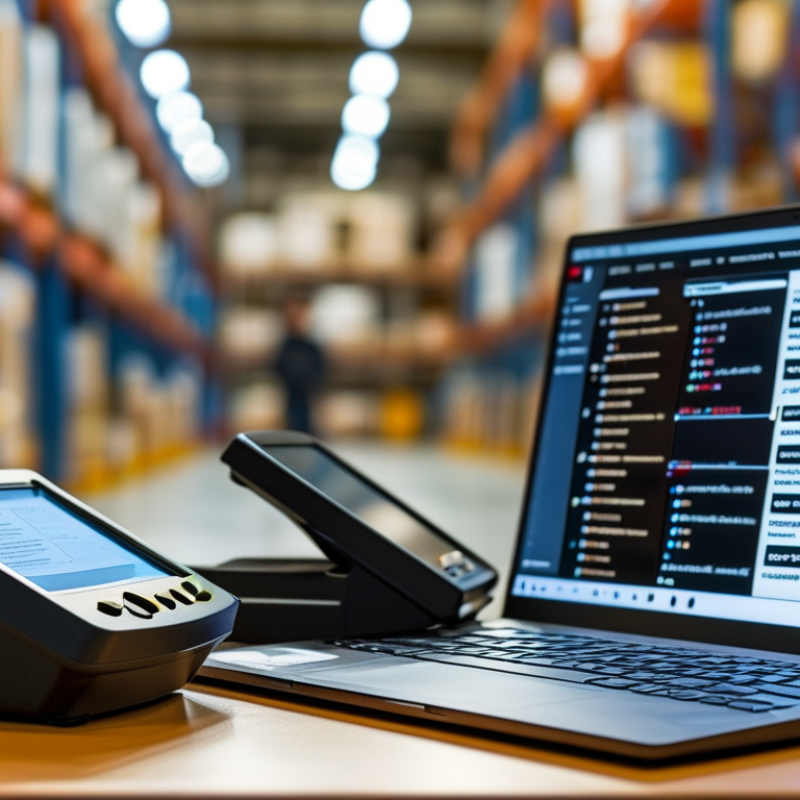
Understanding Different Types of RFID Readers Available in the Market
When choosing an RFID reader, it’s essential to explore the different types available in the market. Passive RFID readersare often a popular choice for various industries. They derive power from the RFID Tags and are cost-effective for applications like inventory tracking. However, their range is limited, which may not suit businesses needing long-distance reading capabilities.
Active RFID readers, on the other hand, contain their power source. They can read tags from a greater distance, making them ideal for asset tracking in larger areas. While they offer better performance, the higher cost can be a downside for smaller businesses. It's crucial to evaluate your specific needs and budget before making a decision.
Mobile RFID readers are another option. These portable devices enhance flexibility and convenience, particularly for field operations. However, they may lack the features of stationary readers. Weighing the pros and cons of each type requires careful thought. Not every reader fits every scenario, and understanding these differences is vital.
Evaluating Technical Specifications Relevant to Your Business Needs
Choosing the right RFID reader can enhance efficiency in your business. It’s vital to evaluate key technical specifications that suit your needs. Start with the frequency range. RFID systems operate at low, high, or ultra-high frequencies. Each has unique characteristics suitable for different applications.
Consider the read range required for your operations. If you need long-distance scanning, choose a reader designed for that. Shorter ranges might save costs but could limit productivity. Connectivity options are another factor. Ensure the RFID reader can integrate seamlessly with existing systems.
Tip: Invest time in understanding how each specification impacts your applications. Gathering input from your team can provide valuable insights.
Power source is also crucial. Some readers rely on batteries, while others connect to external power sources. Battery life can affect the reader's reliability in critical situations. Reflect on your operating environment. Will it expose equipment to extreme conditions?
Tip: Always check the durability ratings before making a purchase. Choosing rugged models can save costs on replacements.
Finally, keep scalability in mind. Businesses evolve, and your RFID reader should accommodate future growth. Think about what additional features might be necessary as you expand. Balancing all these considerations ensures you select the right RFID reader tailored to your business needs.
Identifying Use Cases for RFID Readers Across Various Industries
RFID technology has transformed various industries by enhancing efficiency and accuracy. Retailers use RFID readers for inventory management. This ensures products are accurately tracked. It reduces stockouts and overstock situations. In logistics, RFID readers streamline the shipping process. They automate package scanning, which saves time. Companies can track shipments in real time, resulting in improved customer satisfaction.
Healthcare providers also benefit from RFID technology. They utilize readers to monitor medical equipment and supplies. This practice minimizes the risk of loss and mismanagement. Hospitals can ensure that essential tools are available when needed. In manufacturing, RFID readers monitor production lines. They offer real-time data and insights into operations. However, some companies struggle to implement RFID systems effectively. Often, businesses overestimate their readiness for such technology.
Identifying the right use case is vital. Every industry has its unique needs and challenges. Consider factors like data accuracy and integration capabilities. Businesses should reflect on what problems RFID can solve specifically for them. This thought process helps in selecting the most suitable RFID reader.
Comparing Costs and Budgeting for RFID Reader Implementation
When budgeting for RFID reader implementation, it's essential to analyze the costs effectively. A recent report from RFID Journal highlights that businesses can expect to spend between $1,000 and $5,000 per fixed reader. Mobile readers come with varying prices, typically ranging from $300 to $2,500. This wide range can lead to confusion, especially for businesses lacking experience in RFID systems.
Evaluating long-term value is crucial. The initial costs may seem high, yet the ROI over time tends to justify the investment. For instance, companies have reported a 30% reduction in inventory costs after implementing RFID technology. This data suggests that thoughtful budgeting can lead to significant operational savings. One area that requires careful consideration is whether to invest in high-performance readers or settle for basic models. Choosing the wrong type can incur additional costs for upgrades down the line.
Additionally, businesses may overlook costs related to training staff and integrating RFID systems with existing software. These expenses can accumulate quickly, leading to a more expensive overall implementation than initially anticipated. Balancing quality and budget requires a clear understanding of specific operational needs, alongside the willingness to adapt as those needs evolve. Ultimately, diving deeper into cost analysis can pave the way for better decision-making.
Cost Comparison of Different RFID Readers
Assessing Compatibility with Existing Systems and Infrastructure
Choosing the right RFID reader for your business involves careful consideration of compatibility with existing systems. Many businesses overlook this essential aspect. If your RFID reader cannot integrate smoothly with your current infrastructure, it can lead to inefficiencies and increased costs. Assessing compatibility can prevent future headaches.
Tip: Identify System Specifications
Before selecting an RFID reader, analyze your current system. Know the protocols and interfaces you already use. Ensure your new reader supports these specifications. Compatibility will enhance performance and streamline operations.
Another critical factor is the environment where the reader will be used. Indoor and outdoor settings may require different readers. The reader’s range, durability, and connectivity options matter. For instance, a warehouse environment might need long-range capabilities, while a retail setting could benefit from a portable option.
Tip: Test Before You Commit
Whenever possible, test the RFID reader in your environment. This trial can reveal potential issues that might not be obvious in theory. Real-world testing can guide adjustments to improve system synergy. By reflecting on these trials, you can make an informed decision that meets your business needs effectively.


