Choosing the right Power Press Machine can be daunting, especially with so many options available in 2026. These machines play a vital role in various industries. They are essential for metal forming, and assembly lines, and can significantly influence production efficiency.
When selecting a Power Press Machine, consider your specific needs. Assess the type of materials you will work with and the desired precision. Different machines offer various capabilities. It's important to weigh features like tonnage, speed, and ease of operation. Sometimes, newer models offer advanced technology that can improve performance but may require time to master.
Don’t overlook customer reviews and expert opinions. Trustworthy sources can guide your decision-making process. Visit industry forums and reach out to current users. Their experiences can highlight the pros and cons of specific machines. Remember, investing in the right Power Press Machine can yield impressive results, but it’s crucial to avoid rushing into a choice without comprehensive research.
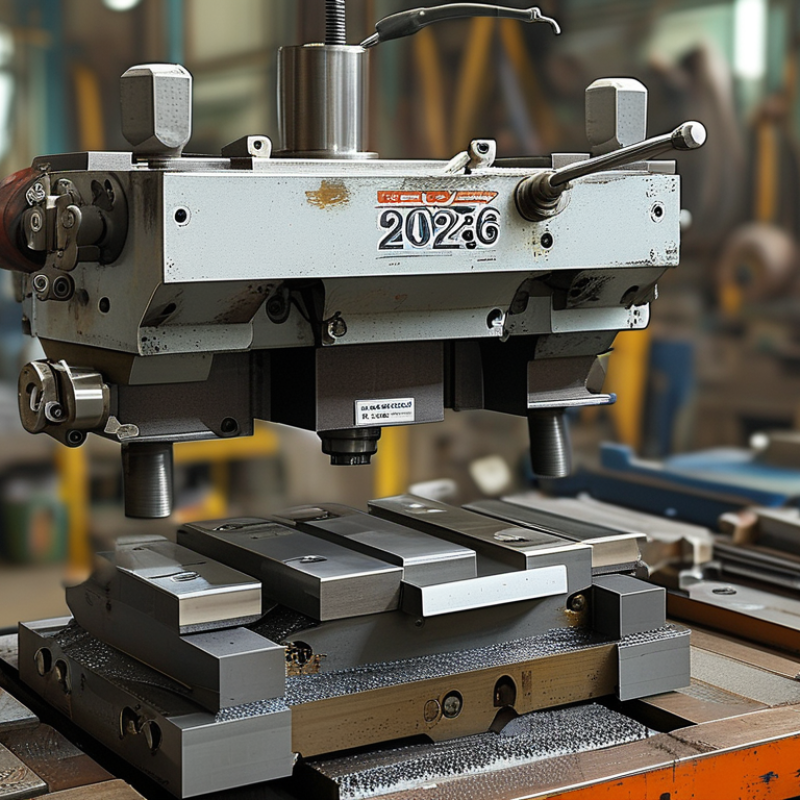
When selecting a power press machine, it's crucial to understand the various types available. Each type serves unique purposes, which can shape your decision. Mechanical power presses are popular for their speed and efficiency. They utilize gears and levers to maximize force. Hydraulic power presses, on the other hand, rely on fluid power for greater versatility. They excel in high-pressure applications and offer adjustable force settings.
Tips for choosing the right machine: Consider your production needs. If your tasks involve smaller components, a mechanical press may suffice. For heavier projects, a hydraulic press could be more appropriate. Also, assess the materials you'll be working with. Different types of materials may require specific pressing methods.
Another essential point is maintenance. Some machines require more upkeep than others. A mechanical press might need regular lubrication, while hydraulic models can require fluid checks. This aspect is often overlooked but significant in ensuring longevity and performance. Choose wisely, and don’t rush through the research phase—take your time to reflect on these factors.
When choosing a power press machine, specific key specifications must be considered. One critical aspect is the press capacity, often measured in tons. The market standard indicates that machines range from 10 to 1,000 tons capacity. Industries typically assess their production needs against this range to avoid under-specification or over-investment. According to a recent industry report, optimal press capacity directly correlates with operational efficiency and product quality.
Beyond capacity, the mechanical structure and design play essential roles. A well-constructed machine with robust materials ensures durability and reliability. Each component should be inspected for quality assurance. Notably, the frame rigidity often affects precision. Some sources suggest that a rigid design can improve the performance of the press by up to 25%, enhancing output quality.
Power consumption is another vital factor. Machines vary widely in energy use, impacting long-term operational costs. A study highlighted that energy-efficient models can reduce energy consumption by about 30%. This reduction will not only lower costs but is also more sustainable. It's crucial to reflect on the long-term implications of energy usage when selecting your machine, as these factors can significantly impact your overall production expenses.
| Specification | Importance | Recommended Range |
|---|---|---|
| Press Capacity (tons) | High importance, determines the machine's strength. | 40 to 100 tons |
| Stroke Length (mm) | Moderate importance, affects the depth of operation. | 30 to 150 mm |
| RAM Speed (strokes/min) | High importance, impacts efficiency and productivity. | 30 to 120 |
| Energy Source | Moderate importance, affects operational cost. | Hydraulic, pneumatic, electric |
| Control Type | High importance, influences ease of use and flexibility. | Manual, automatic, CNC |
| Safety Features | High importance, ensures operator safety. | Emergency stop, guards, sensors |
| Footprint (mm) | Moderate importance, affects floor space utilization. | 1000 x 500 |
| Weight (kg) | Low importance, mostly affects transportation. | 500 to 2000 kg |
When choosing the best power press machine, evaluating the brand reputation and reliability of manufacturers is crucial. Reliable brands often have a proven track record in the industry. Look for manufacturers with years of experience. Their longevity typically indicates a commitment to quality. Online reviews and ratings also play a key role. Customer feedback provides insight into the reliability of the machines.
Tips: Verify if the manufacturer has certifications. Certifications show adherence to industry standards. Check if they provide warranties or after-sales support. This can also be a good indicator of their confidence in their products.
Do not overlook the importance of transparency. Brands that share detailed specifications and testing results are often more trustworthy. Look for organizations that are open about their processes. If information seems vague, it may be a red flag.
Consider reaching out to existing users for opinions on their experiences. This direct feedback can reveal both strengths and weaknesses of the machines. Understanding potential issues can guide your decision. Sometimes, a higher price does not ensure better quality.
When assessing power press machines, safety features and compliance standards are critical. In 2026, the industry has seen a rise in safety regulations. According to a report published by the International Society of Automation, over 45% of workplace injuries in manufacturing involve machinery. This stat underscores the need for robust safety features in power press machines.
Key safety features include emergency stop functions, mechanical guards, and adjustable speed settings. Machines equipped with these features can significantly reduce accident rates. In fact, a study from the American National Standards Institute highlights that firms adhering to stringent compliance standards report up to 30% fewer injuries. Manufacturers should pay attention to certifications like ISO 12100, which guides safety principles for machinery design.
However, even with high standards, flaws can exist. Some machines may not adequately protect operators from malfunctions. A noticeable gap remains in user training, as many workers report limited understanding of emergency procedures. This indicates a pressing need for manufacturers to invest in educational programs. The goal should focus not only on technology but also on empowering users to operate machines safely. Enhanced training could be a game changer in ensuring consistent compliance and improved safety records.
When investing in a power press machine, budgeting is crucial. Industry reports indicate that businesses often allocate about 10-15% of their annual budget for machinery. This percentage can significantly affect your overall operational costs. It’s vital to compare features versus price. A more expensive model may offer durability, while cheaper options could lead to higher maintenance costs in the long run.
Look for machines with a solid warranty. A reliable warranty period can indicate manufacturer confidence. Research shows that machines with warranties of three years or more tend to have lower failure rates. Prioritize features that enhance productivity, such as automated settings or energy efficiency. These can save costs over time, despite higher initial investments.
Consider resale value as well. Some models depreciate quickly, affecting your future budgets. However, a machine that retains value can provide a buffer in case of financial needs. Engaging in thorough market research can yield insights into which models hold their value better. The right power press investment balances initial cost with long-term benefits. This reflection can create a strategic edge in your operations.
+1 (619) 661-5985
sale@roboticemotion.com
10030 Via de la Amistad San Diego CA 92154, United States
We can supply pre-cut pipes and roller tracks, with the appropriate number of joints and accessories; delivered in kit form as per your specifications.