China Top Automated Assembly Systems Manufacturers
China Top Automated Assembly Systems Manufacturers
China has become an important manufacturing base for automated assembly systems. Its suppliers serve electronics, automotive, medical-device, battery, and consumer-product factories. However, “top” should not mean the largest name alone. It should reflect engineering depth, production reliability, service response, and measurable results.
Joseph F. Engelberger, often called the father of industrial robotics, said, “The first step is to establish that something is possible; then probability will occur.” His words remain relevant on modern assembly lines. A capable manufacturer must prove the concept before promising speed. That proof may include a pilot cell, cycle-time data, vision accuracy, torque results, and repeated tests with real components.
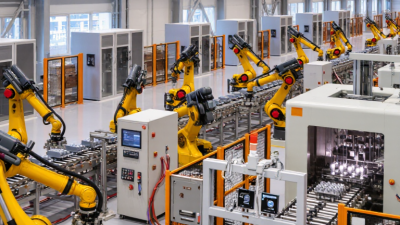
This guide examines leading Chinese automated assembly systems manufacturers through a practical lens. It considers custom design, robotic integration, PLC and vision control, feeder stability, safety engineering, documentation, and after-sales support. A strong system should place a connector accurately, detect a missing screw, and stop safely when resistance changes. Small details matter.
Factory reality is less polished. A beautiful demo may fail after eight hours of dust, vibration, or inconsistent parts. Some suppliers communicate well before signing, then respond slowly during commissioning. Buyers should ask difficult questions. Request factory references, acceptance criteria, spare-parts plans, and transparent maintenance costs.
The list is not a final verdict. It is a starting point for careful comparison. Performance depends on product design, operator training, and process discipline. Even advanced equipment needs review. That is the uncomfortable truth.
Automated Assembly Systems: Definition, Scope, and Core Functions
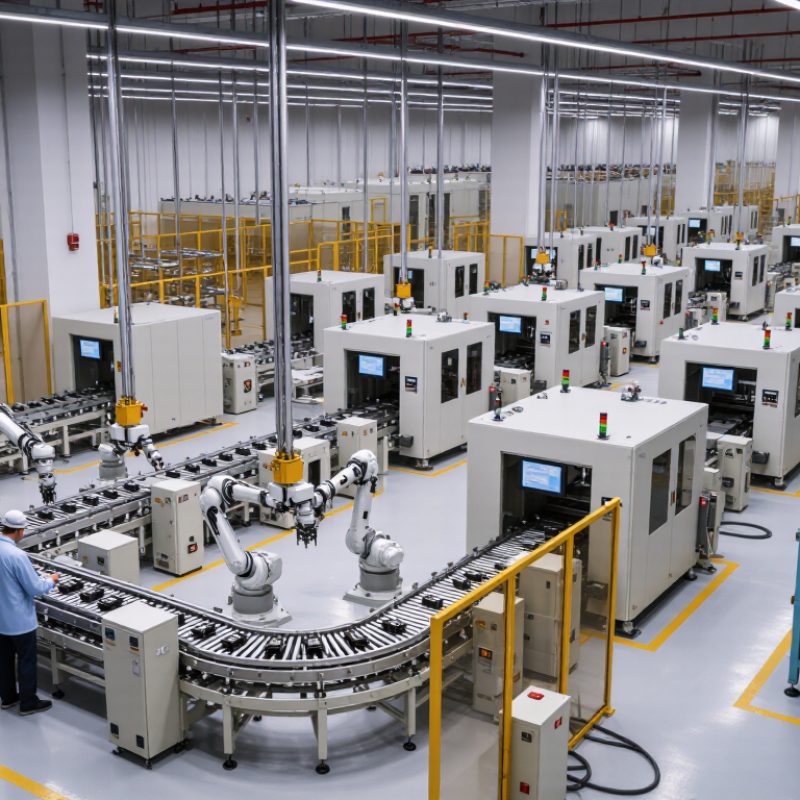
Automated assembly systems are engineered production setups that join parts with limited human intervention. They combine feeders, robots, fixtures, sensors, controllers, and inspection devices. The central purpose is consistent assembly, not simply faster production. A well-designed system places each component correctly, applies controlled force, and records critical process data.
Their scope covers many operations. These include loading, orientation, fastening, pressing, dispensing, welding, testing, labeling, and packaging. In China’s manufacturing sector, suppliers often develop systems for electronics, automotive components, medical equipment, and household products. A typical cell may use vision sensors to check a small connector, torque tools to verify screw tightening, and barcode tracking for batch records. Safety guarding and emergency controls protect operators during normal production.
Core functions include material feeding, positioning, joining, inspection, error detection, and communication with factory software. Reliable systems also support changeovers when product dimensions or assembly steps change. This flexibility is valuable, but it is often underestimated. A machine can perform accurately while still creating delays during cleaning, maintenance, or manual replenishment. Engineers should test real parts, not only digital models. No system is perfect. Dust, vibration, inconsistent components, and unclear work instructions can reduce performance. Practical trials, documented acceptance criteria, and regular maintenance make supplier claims more dependable.
China’s Automated Assembly Industry: Development and Market Position
China’s automated assembly industry has shifted from basic machine building toward integrated, data-driven production. Over the past decade, local manufacturers have improved motion control, machine vision, robotics, and precision feeding systems. Today, a line may combine servo motors, vision inspection, torque monitoring, and production traceability. Cycle time is measured in milliseconds. Small details matter.
Experienced system integrators usually begin with the product, not the machine. They study component tolerance, operator access, maintenance space, and the expected production rhythm. A well-designed system can reduce repetitive labor, stabilize quality, and record each assembly step through manufacturing software. Many Chinese suppliers now serve electronics, electric vehicles, medical devices, and household equipment. Their market position is strengthened by flexible customization, competitive engineering costs, and shorter equipment delivery cycles.
The market is not flawless. Some systems still depend heavily on manual adjustment during changeovers. Documentation can also be inconsistent between suppliers. That creates problems when equipment moves across factories or countries. Buyers should verify acceptance tests, spare-part plans, safety compliance, and long-term technical support. In practice, a fast demonstration is not enough. A stable line must run through dust, vibration, product variation, and unexpected stoppages. Chinese manufacturers are improving, but reliability requires evidence from sustained production, not only impressive showroom performance.
Key Technologies Used in Automated Assembly Systems
China Top Automated Assembly Systems Manufacturers
Key Technologies Used in Automated Assembly Systems
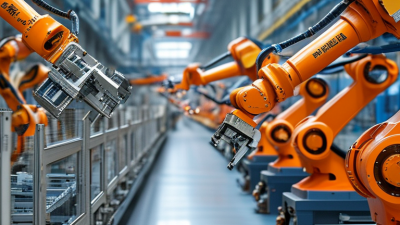
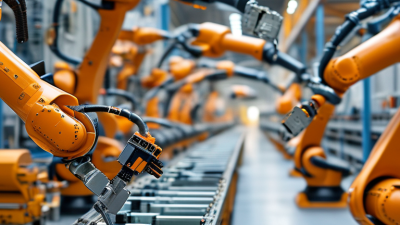
Leading Chinese manufacturers are developing assembly systems around robotics, machine vision, and precise motion control. At each station, cameras inspect surface defects, alignment, and missing components. A programmable logic controller coordinates feeders, grippers, sensors, and emergency stops. Servo motors then position parts with repeatable accuracy. Small details matter.
Industrial communication networks connect separate stations and reduce delays during production. Sensors measure force, temperature, vibration, and tool pressure in real time. This data helps engineers identify loose fasteners or abnormal movement before failures spread. Traceability software records material batches, inspection results, and operator actions. These records support quality audits and maintenance planning.
Digital twin technology allows teams to test cycle times before installing physical equipment. Simulation can reveal collisions, bottlenecks, and difficult maintenance access. Collaborative robots also support flexible tasks, especially when product models change frequently. Safety scanners and interlocked guards remain essential around moving equipment. Machine learning can improve visual inspection, but it still needs reliable images and careful human review.
No system is perfect. Poor lighting may confuse a camera, while dust can weaken sensor readings. Engineers should challenge automatic decisions instead of trusting every dashboard alert. A practical design also leaves space for manual adjustment, cleaning, and future upgrades. That part is often underestimated.
How to Evaluate Automated Assembly System Manufacturers in China
China Top Automated Assembly Systems Manufacturers
Evaluating automated assembly system manufacturers requires more than comparing quotations. Examine their experience with products similar to yours, including materials, tolerances, cycle times, and production volumes. Ask for documented case studies, not polished claims. A reliable manufacturer can explain failures, corrective actions, and design changes clearly.
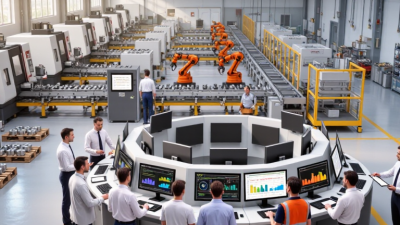
Request a factory visit or live video inspection. Observe machining quality, wiring standards, safety guarding, and software testing. Review sample components moving through feeders, vision stations, torque tools, and rejection units. Measure the actual cycle time. Do not rely only on simulations. Small details matter.
Assess engineering depth through the design review process. The team should provide layouts, risk assessments, maintenance plans, spare-parts lists, and operator training materials. Confirm factory acceptance testing with measurable criteria, such as cycle time, accuracy, uptime, and defect rates. Discuss integration with existing equipment and future product changes. Technical support after installation also deserves careful attention.
A low quotation may hide expensive manual adjustments, weak documentation, or limited local support. Ask how changeovers are performed and timed. Request references from comparable production environments, then verify their results independently. Payment milestones should follow visible progress and accepted tests. One weakness remains easy to miss: manufacturers may promise flexible customization without explaining its effect on delivery time. Challenge that assumption early. Reliable evaluation is not about finding the cheapest system. It is about finding evidence that the system can perform repeatedly under real factory conditions.
How to Evaluate Automated Assembly System Manufacturers in China
This practical evaluation framework prioritizes system performance, engineering capability, quality assurance, lifecycle support, and commercial value. The percentages represent recommended procurement weights rather than company rankings or brand-specific results.