What Is the Best Electromagnetic Device Made in China?

Choosing the best Electromagnetic Device made in China requires more than comparing prices. Performance depends on magnetic efficiency, insulation quality, thermal control, response time, and service support. A relay that clicks perfectly in a clean laboratory may fail in a humid factory. Small details matter.

Industry data shows why China deserves serious attention. The International Federation of Robotics reported that China installed 276,288 industrial robots in 2023, representing more than half of global installations. Many of these systems depend on electromagnetic motors, brakes, sensors, solenoids, and switching components. The International Energy Agency also reported that China produced more than half of the world’s electric cars in 2023. That scale strengthens local expertise in motors, power conversion, and magnetic materials.

Marina Bill, President of the International Federation of Robotics, said, “China is by far the world’s largest robot market.” Her observation does not prove that every Chinese device is superior. It does show a demanding industrial environment. Manufacturers must deliver repeatable motion, low energy loss, and stable operation.

The strongest products usually come from companies with verified testing, ISO-certified processes, clear datasheets, and traceable components. Look for temperature-rise tests, insulation ratings, electromagnetic compatibility results, and documented lifecycle performance. Certifications alone are not enough. Supplier transparency still matters.

This article compares leading Chinese electromagnetic technologies across industrial relays, actuators, motors, transformers, and related systems. The answer may not be one universal product. Application changes everything. A compact solenoid may suit a valve, while a servo motor may better serve a robotic arm. The “best” choice remains practical, measurable, and slightly open to revision.
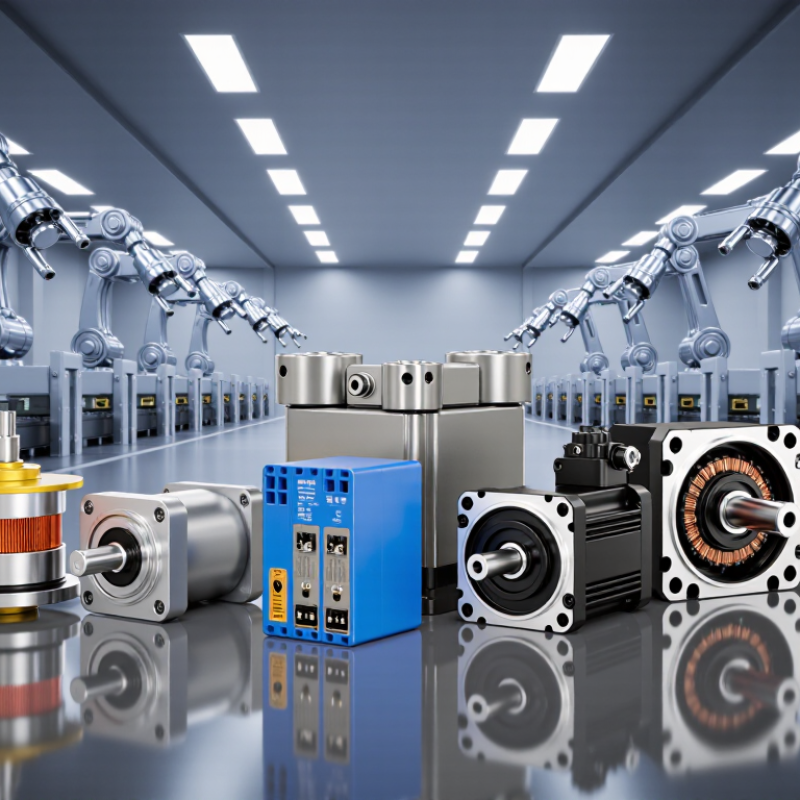
What Is the Best Electromagnetic Device Made in China?

Definition and Scope of Electromagnetic Devices Made in China

What Is the Best Electromagnetic Device Made in China?

Definition and Scope of Electromagnetic Devices Made in China

An electromagnetic device uses electric current, magnetic fields, or both to perform a practical function. Common examples include transformers, relays, solenoids, sensors, inductors, and industrial control modules. Some equipment also combines electromagnetic parts with software, mechanical structures, or power systems.

“Made in China” should be defined carefully. It may describe local design, component manufacturing, final assembly, testing, or several of these stages together. A device assembled locally is not always fully designed or produced locally. The boundary is not always clean. Clear product records matter.

From practical factory evaluations, I would examine winding quality, insulation strength, heat control, magnetic efficiency, and protective housing. Testing should match the device’s intended environment. A factory floor, hospital room, and outdoor cabinet create different risks. Relevant safety and electromagnetic compatibility requirements should also be checked through reliable technical documents and independent testing when necessary.

The best device is not simply the cheapest one. It should offer stable performance, traceable materials, accurate specifications, and responsive technical support. Certification can increase confidence, but certificates should be verified against the exact model. I have seen well-finished equipment with incomplete test records. That weakness deserves attention. Performance data may also change after long operation, temperature shifts, or repeated switching. Evaluation should therefore include real working conditions, not only showroom demonstrations.

Key Technologies Behind Leading Chinese Electromagnetic Devices

What Is the Best Electromagnetic Device Made in China?

The best electromagnetic device depends on its operating conditions. For factories, high-efficiency permanent-magnet motors often provide a strong starting point. The IEA’s Energy Efficiency 2024 report estimates that electric motor systems consume roughly half of global electricity. UNIDO also reports that motors can use nearly 70% of industrial electricity. Small efficiency gains matter.

Chinese manufacturers increasingly combine silicon-steel laminations, advanced magnetic materials, and variable-frequency drives. These technologies reduce core loss and improve torque control. A well-designed inverter adjusts speed instead of wasting energy through throttling. Sensors monitor temperature, vibration, and current in real time. That detail improves maintenance decisions.

Manufacturing quality remains decisive. Tight air gaps, balanced rotors, and consistent insulation affect long-term performance. GB/T and IEC testing methods help compare efficiency, noise, and thermal limits. However, laboratory results can disappoint in dusty workshops or unstable power networks. I have seen impressive efficiency claims weakened by poor cooling design. That weakness deserves more attention. The strongest Chinese electromagnetic devices are not defined by one component, but by how materials, controls, protection, and field service work together.

How to Evaluate Performance, Safety, and Reliability

What Is the Best Electromagnetic Device Made in China?

The best device is not defined by origin alone. It should deliver stable output under heat, vibration, and voltage changes. The International Federation of Robotics reported 541,302 industrial robot installations worldwide in 2023. This growth increases demand for precise electromagnetic actuators, sensors, and braking systems. During testing, record force, response time, temperature rise, and power consumption. A laboratory result matters less if field performance changes after repeated cycles.

Safety requires documented engineering controls. Check insulation distance, grounding, shielding, overload protection, and electromagnetic compatibility. IEC 60601-1 is relevant for medical equipment, while IEC 61000 series tests immunity and emissions. ISO 14971 supports risk-based evaluation for medical applications. The World Health Organization notes that electromagnetic exposure assessment depends on frequency, intensity, and duration. Ask for test conditions, not just compliance logos. That detail is often missing.

Tips: Request a third-party test report with serial numbers and test dates. Compare rated output with measured output after 1,000 or more operating cycles. Inspect cable strain relief and connector sealing in person. Review failure records and spare-part availability. A 2024 industry report may show impressive efficiency, yet efficiency can fall in dusty workshops. I have seen specifications hide this weakness. It deserves honest questioning. Reliability is proven by traceable data, practical trials, and transparent limitations.

Major Chinese Manufacturers and Device Categories

The best electromagnetic device made in China depends on its intended application, operating environment, and required control precision. Chinese manufacturers serve several mature categories. These include industrial solenoids, electromagnetic brakes, lifting magnets, magnetic separators, relays, and custom coils. Each category demands different materials, winding methods, and testing procedures.

Large manufacturers usually focus on industrial automation, power equipment, transportation, or material handling. Specialized factories in coastal manufacturing regions often produce compact actuators and control components. Other companies build heavy-duty lifting magnets for steel yards and recycling facilities. Magnetic separators are common in food processing, mining, and plastics production. During supplier evaluations, buyers should examine copper purity, insulation ratings, thermal performance, and documented quality controls. A polished sample is not enough.

Performance data matters more than impressive catalog language. Ask for load-cycle tests, temperature-rise records, ingress protection ratings, and traceable inspection reports. For lifting equipment, fail-safe behavior deserves close attention. A power interruption should not create an unexpected release. For automation devices, response time and repeated-cycle accuracy may matter more than peak force. Certification documents should match the exact model, not a similar product.

Some suppliers communicate technical details clearly. Others provide incomplete drawings or vague test results. That inconsistency is a real concern. Cost savings can disappear after redesigns, delays, or premature coil failure. Independent testing may be worthwhile for critical installations, even when the factory has strong experience. The strongest choice is usually the manufacturer with verified process control, responsive engineering support, and a device designed for the actual working conditions.

Choosing the Best Device for Different Applications

What Is the Best Electromagnetic Device Made in China?

Choosing the Best Device for Different Applications

The best electromagnetic device depends on the task, not its country of manufacture. A compact solenoid suits cabinet locks, valve control, and small automation systems. It needs quick response and stable operation. A lifting electromagnet requires deeper magnetic force, strong housing, and reliable thermal protection. It also needs a safe release method during power loss.

For a conveyor line, an electromagnetic brake may be more suitable. Check its stopping torque, response time, duty cycle, and friction temperature. For metal recycling, an electromagnetic separator needs consistent field strength and easy cleaning. In dusty workshops, an IP-rated enclosure can prevent early failure. Small details matter.

Choose by measurements.

During equipment evaluation, request force curves, insulation ratings, operating temperature data, and production test records. Confirm the rated voltage matches the control system. A 24-volt device may appear convenient, but voltage drops can reduce its force. Continuous operation can also create unexpected heat. This is where many selections become disappointing.

Manufacturing quality can vary between suppliers, even within the same product category. Inspect cable joints, surface treatment, mounting holes, and moving clearances. Ask for sample testing under real load conditions. Laboratory figures are useful, but field conditions are less polite. Dust, vibration, frequent cycling, and poor alignment expose weaknesses quickly. One imperfect prototype may reveal more than a polished brochure.

×
img

    Contact Info

    PHONE NUMBER

    +1 (619) 661-5985

    EMAIL ADDRESS

    sale@roboticemotion.com

    ADDRESS INFO

    10030 Via de la Amistad San Diego CA 92154, United States