2026 Top Types of Industrial Efficiency Systems
Industrial efficiency systems are becoming central to how factories control energy, equipment, labor, and production quality in 2026. This guide examines the leading system types shaping modern industrial performance. It covers industrial energy management, predictive maintenance, industrial automation, manufacturing execution systems, digital twins, and real-time production analytics.
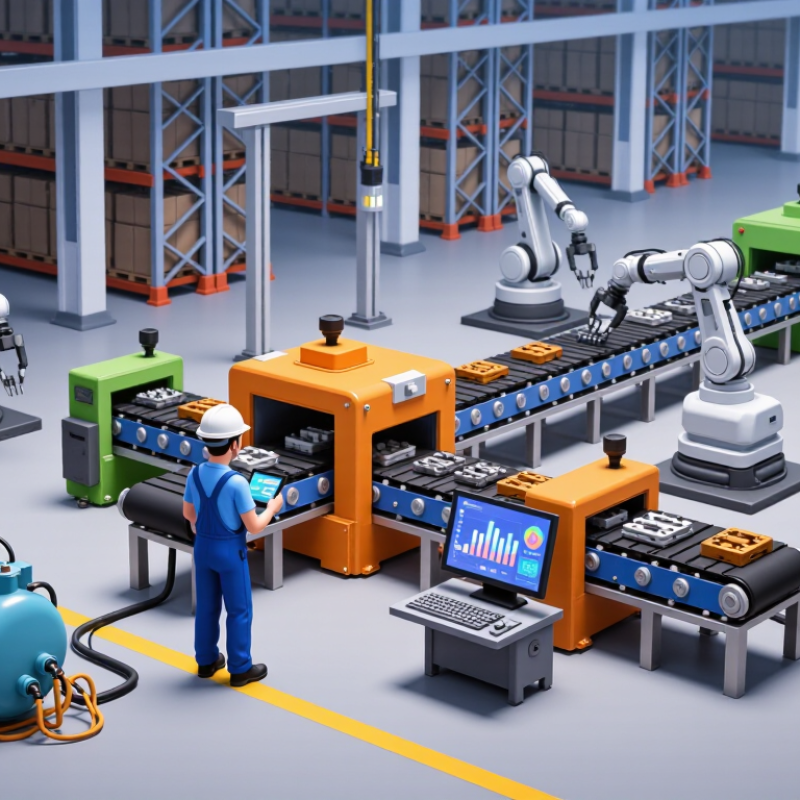
The focus is practical. A plant may have sensors on a compressor, dashboards beside the production line, and maintenance alerts on a supervisor’s tablet. These tools can reduce waste, shorten downtime, and improve decision-making. However, technology alone does not create efficiency. Data must be accurate. Workers must understand the system. Managers must act on evidence rather than attractive charts.
W. Edwards Deming, a leading authority on industrial quality management, said, “If you can’t describe what you are doing as a process, you don’t know what you’re doing.” His point remains important. Reliable efficiency begins with clear processes, measurable targets, and disciplined review. It also requires honest attention to weak results.
Some systems may look impressive but deliver limited value. That happens. A factory can install advanced software while ignoring poor maintenance routines or inconsistent operator training. This guide therefore compares each system by practical use, integration needs, measurable benefits, and implementation limits. The strongest solutions are not always the most expensive. They are the ones that fit real operations, support people, and produce dependable improvement over time.
Industrial Efficiency Systems: Definition, Scope, and Core Functions
Industrial efficiency systems are integrated methods for reducing energy, material, time, and maintenance losses. Their scope covers production lines, motors, compressed air, heating, cooling, water, and waste streams. Core functions include sensing, monitoring, analysis, control, and continuous improvement. The International Energy Agency reported that global energy intensity improved by 2.2% in 2022. However, annual progress must reach about 4% to meet global efficiency goals. This gap shows why isolated equipment upgrades are insufficient.
In practice, an efficiency system links meters, production data, maintenance records, and operator feedback. A factory may detect a compressor leak through abnormal night-time demand. It can then compare air pressure, output volume, and repair costs. The system should also verify savings after changes. A dashboard can look precise and still guide poor decisions. Data quality, sensor placement, and human judgment remain critical. The difficult part is not installing sensors. It is trusting the measurements.
Tips: Begin with one measurable process, such as boiler fuel use per production unit. Establish a baseline before changing settings. Review results weekly with operators and engineers. The United Nations Industrial Development Organization reports that industry remains responsible for roughly one-third of global energy use. Small improvements can therefore have wide effects, but targets should remain realistic and openly questioned.
2026 Top Types of Industrial Efficiency Systems
Industrial Efficiency Systems: Definition, Scope, and Core Functions
The chart shows representative energy-saving potential for major industrial efficiency systems.
Values are indicative midpoints of commonly reported benchmark ranges and may vary according to
facility age, operating hours, process design, equipment condition, and control strategy.
Reference basis: publicly available industrial energy-efficiency guidance and benchmark ranges from
international energy agencies and national energy-efficiency programs. No company or brand data is included.
Key Types of Industrial Efficiency Systems in 2026
In 2026, industrial efficiency systems are becoming more connected, measurable, and practical. Energy management systems combine meters, production data, and control dashboards. They reveal night-shift loads that paper reports often miss. A good system tracks electricity, steam, water, and compressed air together. That wider view matters because one saving can create another cost. For example, lower air pressure may reduce power but affect a sensitive machine. Operators should verify changes on the floor. Numbers alone can mislead.
Motor efficiency systems remain a major category. Variable-speed drives adjust pumps, fans, and conveyors to match real demand. Smart controls can reduce throttling, heat, and unnecessary starts. Predictive maintenance tools monitor vibration, temperature, and current patterns. They can flag bearing wear before a noisy failure stops a line. However, sensor data needs clean baselines and skilled review. A warning is not a diagnosis. Some factories install too many sensors and use too little information.
Process automation systems improve timing, recipe control, and material flow. They work well beside heat-recovery units, boiler controls, and compressed-air monitoring. Waste-heat systems can reuse exhaust energy for water or space heating. Digital models may test changes before engineers alter live equipment. Yet models can simplify real production. Maintenance teams still face leaks, dusty sensors, and inconsistent operator habits. The strongest programs combine verified measurements, worker experience, and scheduled performance checks. Small trials are safer than dramatic promises.
How Industrial Efficiency Systems Operate and Integrate
2026 Top Types of Industrial Efficiency Systems
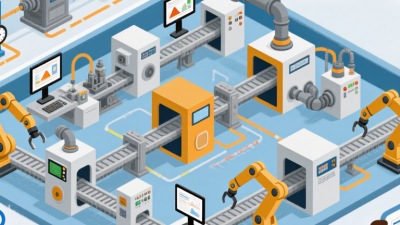
Industrial efficiency systems connect machines, people, and production data. Sensors measure temperature, pressure, energy use, vibration, and cycle time. Controllers then adjust equipment according to programmed limits. Supervisory software displays trends and alarms for operators. This process reduces waste while supporting safer, more consistent decisions. Energy management systems focus on electricity, fuel, compressed air, and heat. Manufacturing execution systems track materials, schedules, quality checks, and downtime. Their value increases when they exchange reliable information.
Integration usually begins at the equipment level. Edge gateways collect signals from older machines and newer digital devices. They translate different communication protocols into usable data. The data can then move to supervisory platforms, maintenance tools, and business planning systems. A shared time standard is essential. Otherwise, a five-minute delay may appear as a machine fault. Access controls, backups, and clear data ownership also protect operations. I have found that integration projects often fail because teams measure too much and act too little. That weakness deserves honest review.
Tips:
Start with one production line and define three measurable targets. Use verified sensor readings before trusting automated recommendations. Train operators to question unusual alerts, not ignore them. Review energy and downtime data weekly. Keep room for manual control. No system is perfect. Efficiency can improve, but poorly configured automation may simply move waste elsewhere.
Selection Criteria and Future Development Trends
2026 Top Types of Industrial Efficiency Systems
Industrial efficiency systems now include energy monitoring, predictive maintenance, process control, and heat recovery platforms. Selection should begin with measured data, not attractive software features. A factory needs clear baselines for electricity, water, downtime, and production output.
During plant assessments, I have found that incomplete sensor coverage often creates misleading savings claims. Integration matters too. The system should connect with existing controllers, meters, and maintenance records without forcing expensive replacement. Operators also need simple dashboards, because complicated screens are frequently ignored during busy shifts.
Tips: Test one production line first. Compare results across four weeks. Check data accuracy manually. Ask whether technicians can act on each alert within minutes.
Future systems will combine edge computing, digital twins, and machine learning to identify waste earlier. Local processing can reduce delay when production conditions change quickly. Digital twins may simulate airflow, heating loads, and equipment wear before managers approve adjustments. However, predictions are not always correct. Dust, seasonal demand, and unusual operator behavior can distort models. Human review remains essential, especially when an efficiency change could affect product quality or worker safety. Strong systems will also report carbon intensity, repair needs, and resource use in one practical view. The best solution may not be the most advanced one. It should be measurable, maintainable, and flexible enough for tomorrow’s uncertain production demands.