Industrial process automation plays a crucial role in maximizing efficiency and minimizing costs for global buyers. In today’s competitive landscape, understanding the nuances of automation is essential for success. Industrial process automation involves the use of control systems to operate equipment in manufacturing facilities. This ranges from machinery to processes, significantly impacting productivity.
Navigating the complexities of industrial process automation can be challenging. Buyers often face decisions regarding technology, supplier selection, and integration with existing systems. The key is to target reliable vendors and develop a clear understanding of the technologies available. Effective communication with suppliers can also enhance the purchasing process, allowing for a tailored approach to meet specific needs.
However, it’s important to recognize that not all solutions are universal. What works for one facility may not suit another. Buyers must critically assess their operational requirements and be open to adapting their strategies. This reflection fosters better decision-making in an ever-evolving industrial landscape. As you explore the top tips for industrial process automation, keep in mind the need for informed choices and critical thinking.
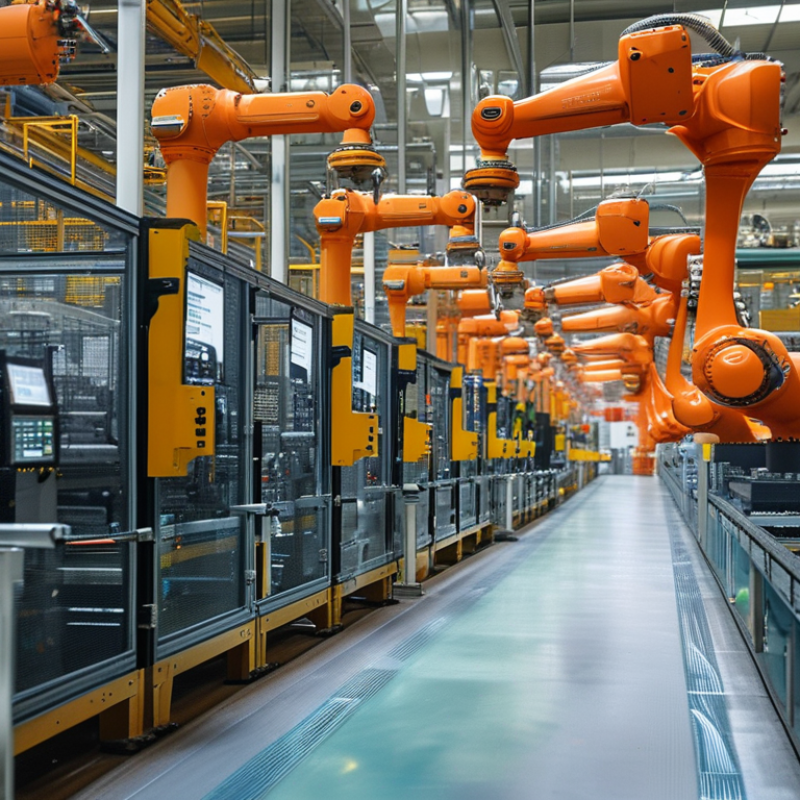
Understanding the basics of industrial process automation is essential for making informed decisions as a global buyer. This field involves the use of technology to monitor and control production processes, delivering efficiency and consistency. Understanding the components and their functions can help optimize operations. For example, sensors detect variables like temperature and pressure. Controllers process this data, adjusting equipment to maintain the desired conditions.
Adopting automation is a journey. One key aspect is to assess your specific needs. Analyze your current processes and identify areas for improvement. This reflection will guide your investment in automation tools. Regularly reviewing performance metrics is crucial. These insights can reveal if the chosen solutions meet operational goals, or if adjustments are necessary.
Consider starting with small-scale automation projects. This approach allows you to gather insights without significant risk. Gradually expand based on what works well. Stay updated on technological advancements in the field. New solutions frequently emerge, offering better efficiency and capability. Embracing a mindset of continuous improvement will ultimately lead to better outcomes in industrial process automation.
When selecting automation technologies, several key factors demand attention. These factors influence both the efficiency and longevity of your chosen systems. Focus on your specific industry needs. Each sector has unique requirements. A one-size-fits-all approach may lead to missed opportunities for optimization.
Integrate user-friendly interfaces in your selection process. Easy-to-navigate software aids in training and daily operations. Assist your team in embracing the change. Consider scalability in your decisions. Technologies that grow with you save time and resources in the long run. It's important to assess future needs, not just current applications.
Look at real case studies or testimonials from other industries. Learning from others’ experiences offers insight. Don’t rush into decisions. Set aside time for thorough evaluations. Any technology must align with your overall strategy. Cultivating a robust understanding before committing is crucial. In the constantly evolving landscape of industrial automation, reflection on your choices is vital. Each decision shapes your operational future.
Evaluating automation vendors and their solutions is a critical step for global buyers. With the industry forecasted to grow from $190 billion in 2023 to over $280 billion by 2028, careful vendor selection is essential. Buyers should prioritize vendors with proven track records and domain expertise.
Tip: Assess a vendor's scalability. A flexible solution accommodates future growth. Solutions that lack scalability can quickly become liabilities as your operations expand. Seek vendors that can support your long-term vision.
Additionally, it's vital to review the case studies and customer testimonials of potential vendors. A report by the International Society of Automation highlights that 73% of enterprises that vetted vendors carefully reported improved performance. However, don't overlook red flags in testimonials. Some may lack depth or appear overly positive, prompting a need for deeper investigation.
Tip: Inquire about the vendor's support and training options. Proper implementation depends on user understanding. Without adequate training, even the best solutions may fail. Aim to partner with vendors who offer robust support post-purchase.
Implementing automation in industrial processes requires careful planning and execution. A study by McKinsey indicates that automation can boost productivity by 20-30% in various sectors. However, adopting this technology doesn't come without challenges. Organizations often face integration issues with existing systems. It is crucial to assess compatibility before implementation.
Data from the International Society of Automation highlights that 70% of automation projects exceed budget or timeline estimates. Many companies underestimate the need for staff training and change management. This oversight can lead to resistance from employees and hinder project success. Engaging teams early ensures better acceptance and understanding of new technologies.
To achieve successful automation, continuous evaluation is vital. Industry leaders suggest setting clear KPIs to measure performance improvements. While automation can streamline operations, relying purely on technology may not suffice. Regular feedback loops and adjustments help maintain alignment with business goals. It’s essential to remain flexible and adapt strategies as the market evolves.
Monitoring and maintaining automated processes requires a strategic approach. Start by leveraging real-time data analytics. This allows for immediate identification of anomalies. Regularly check system performance metrics. Sudden changes in output can signal issues. Engage with your team to ensure everyone understands these metrics. They can provide insights that algorithms may overlook.
Implement routine maintenance schedules. This helps in preventing unexpected breakdowns. A proactive approach saves time and costs in the long run. Create a checklist for equipment inspections. Detail specific components that need attention. Minor issues can escalate if left unchecked. Encourage team feedback on maintenance procedures. They might offer practical solutions based on their experiences.
Develop a culture of continuous improvement. Collect feedback from all stakeholders involved. Sometimes, existing processes need reevaluation. Stay open to changes. This adaptability fosters efficiency. Involve your workforce in monitoring efforts. Their hands-on experience is invaluable. Aim for a collaborative atmosphere where everyone feels responsible for process excellence.
| Tip | Description | Frequency of Monitoring | Key Metrics |
|---|---|---|---|
| Regular System Audits | Conduct comprehensive audits of automation systems to ensure compliance and efficiency. | Quarterly | Audit completion rate, Compliance percentages |
| Real-time Monitoring | Utilize IoT sensors to monitor equipment performance in real-time. | Continuous | Downtime, Performance deviations |
| Predictive Maintenance | Implement predictive analytics to foresee potential equipment failures before they occur. | Monthly | Failure rate predictions, Maintenance costs |
| Employee Training | Regular training sessions for employees on the latest automation technologies and safety procedures. | Bi-annually | Training completion rates, Employee satisfaction |
| Data Analytics | Leverage data analytics tools to improve decision-making processes based on automation data. | Ongoing | Decision accuracy, Data utilization rates |
+1 (619) 661-5985
sale@roboticemotion.com
10030 Via de la Amistad San Diego CA 92154, United States
We can supply pre-cut pipes and roller tracks, with the appropriate number of joints and accessories; delivered in kit form as per your specifications.