How to Choose the Right Intralogistics Solutions?
Choosing intralogistics solutions is not a technology contest. It is a decision about how goods, people, and information move through a facility. A pallet waiting at a dock, a picker walking an extra aisle, or a conveyor running half-empty can reveal more than a glossy equipment brochure. Start with the actual flow: order profiles, peak volumes, load types, travel distances, and bottlenecks. Then compare automation, software, storage, and material-handling equipment against those conditions. The right fit may combine several technologies—or require a simpler process change.
Professor Michael ten Hompel, a leading logistics researcher and former head of Fraunhofer IML, has helped shape modern thinking about connected material flows. A useful paraphrase of his systems-oriented perspective is: “Make the flow visible before choosing the technology.” This is a paraphrase, not a verbatim quotation. Keep that distinction clear. For a sound decision, test each option against measurable outcomes, such as throughput, labor demand, space use, uptime, and recovery from disruptions. Ask operators to assess proposed workflows, and check how systems will exchange data with existing software. Model ordinary days and peak shifts; one average-volume estimate can hide costly constraints. Also examine maintenance skills, integration effort, and future capacity. No forecast is perfect. A careful plan should leave room to learn, revise assumptions, and expand without forcing a costly redesign.
Define Operational Needs and Material-Handling Goals
Before comparing intralogistics solutions, map how materials actually move through the facility. Record item dimensions, weights, order profiles, and daily volume. Include peak periods, not just average shifts. A small carton line may run smoothly at noon but stall when orders surge at 4 p.m. Start with the work.
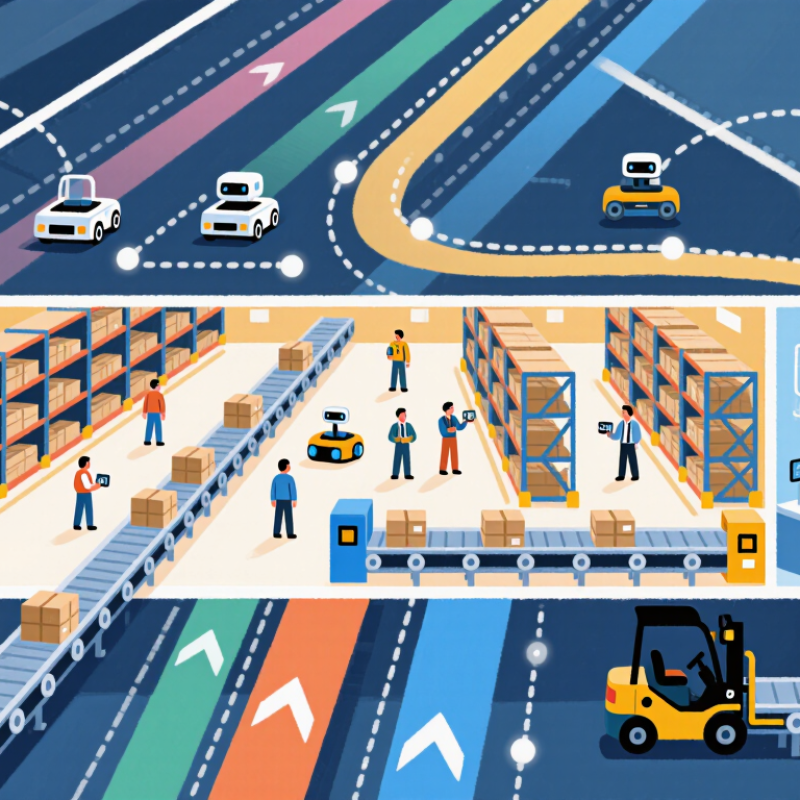
Walk the route from receiving dock to storage, picking, packing, and dispatch. Note narrow aisles, floor changes, queue points, and places where workers carry loads by hand. Measure travel times and count touches per order. These details reveal whether the main goal is faster picking, fewer handling steps, better space use, or steadier flow. Measure before automating. A precise map still has blind spots; seasonal stock and informal workarounds are easy to miss.
Set targets that can be checked after installation, such as orders picked per hour, inventory accuracy, or time from receipt to put-away. Define limits too: available floor space, ceiling height, load capacity, and acceptable disruption during changeover. Ask operators where delays recur, then compare their observations with system data. Reality gets messy. A conveyor may shorten travel but create a queue at packing, while shelving may add capacity yet increase walking. Treat early estimates as hypotheses, test them against a real shift, and revise the goals before selecting equipment.
Map Current Workflows, Facilities, and Bottlenecks
Choosing intralogistics solutions starts with observing work as it happens, not with a product list. Follow one representative shift from receiving to storage, picking, packing, and dispatch. Record travel distance, queue time, manual touches, and order variation. Watch a pallet wait beside a blocked aisle. Small delays often repeat across many orders.
Facility details matter. Measure aisle widths, door clearances, floor conditions, ceiling height, charging access, and peak-hour traffic. The MHI 2024 Annual Industry Report found that 55% of surveyed companies planned to increase supply chain technology investment over the following two years. That signals interest, not guaranteed returns. Map the actual bottleneck before selecting equipment; a faster conveyor will not fix inaccurate inventory data. A process map can also miss unusual shift patterns, so verify it with operators.
Tips: Sketch each movement, mark delays in red, and compare peak and quiet periods. Ask workers where congestion forms. Then test one proposed change against real order data. Recheck assumptions. They can be wrong.
Compare Intralogistics Technologies and Solution Types
Choosing intralogistics technology starts with the task, not the machine. Conveyors and sorters suit steady, high-volume flows between fixed points, but they can be difficult to reroute when layouts change. Automated storage and retrieval systems use vertical space and support dense inventory storage. Autonomous mobile robots move totes around existing aisles, though traffic control and charging need careful planning. Goods-to-person systems reduce picker travel.
Not always.
Compare options against order profiles, load sizes, aisle widths, and peak-hour demand. A facility handling small, fast-moving items may benefit from goods-to-person picking, while pallet-heavy operations may favor automated storage or forklifts supported by warehouse software.
MHI’s 2024 Annual Industry Report found that 55% of surveyed supply-chain professionals planned to increase investment in technology and innovation. That reflects investment intent, not guaranteed results.
Software also matters: warehouse management and execution systems coordinate inventory, people, and equipment, but poor data or integration can limit performance. Test realistic order mixes in a pilot, including a busy shift. A neat simulation can miss awkward exceptions.
Assess Integration, Scalability, Safety, and Total Cost
Choosing intralogistics solutions starts with the work your facility actually does. Map each handoff, from receiving and storage to picking and shipping. Check whether the proposed system can exchange accurate data with existing software and equipment. Ask who will manage exceptions, such as a blocked conveyor or a delayed inventory update. A smooth demonstration is useful, but it cannot show every messy shift.
Scalability means more than adding machines later. Consider peak-season volume, available floor space, and how changes might affect daily operations. Safety deserves the same attention: review operator routes, maintenance access, emergency stops, and visibility around moving equipment with the people who work there. Then estimate total cost, including installation, software, training, energy, maintenance, and downtime. Quotes rarely capture every disruption. A realistic pilot can help, though even a pilot may miss unusual demand spikes.
Tips: Walk the route with operators. Measure real cycle times. Ask for assumptions behind capacity and service estimates. Compare options over their expected working life, not just by purchase price. Leave room for doubt; a tidy spreadsheet may overlook a practical constraint on the floor.
How to Choose the Right Intralogistics Solutions
Compare integration, scalability, safety, and total cost of ownership before selecting a solution.
Illustrative example scores on a 1–5 scale, where 1 is a weak fit and 5 is a strong fit. Assess each criterion using your facility requirements, safety review, integration tests, and lifecycle-cost estimates.
Plan Implementation, Workforce Training, and Performance Tracking
How to Choose the Right Intralogistics Solutions?
Plan implementation around actual work, not only a layout drawing. Map how goods move from receiving to storage, picking, and dispatch. Record peak-hour volumes, aisle widths, handoff delays, and recurring exceptions. These details can expose bottlenecks that a high-level plan misses. Start with a defined pilot area and agree on what success means before equipment or software changes begin. Keep a fallback process available. Real operations rarely follow a perfect schedule.
Training should match each person’s role and daily tasks. Operators can practise scanning, replenishment, and safe responses to blocked routes in the actual work area. Supervisors need separate instruction on exception handling and shift reports. Short practice sessions usually reveal gaps better than a long presentation. Ask workers to explain what feels unclear. Their feedback may challenge the original plan, and that is useful. A quick reference card near a workstation can help, but it cannot replace supervised practice.
Track a small set of measures consistently: order accuracy, throughput by shift, equipment downtime, and time spent resolving exceptions. Compare results with the baseline, while noting changes in product mix or staffing. A dashboard can show patterns, but teams still need to check the underlying records. Review results weekly during rollout, then adjust the cadence once performance stabilizes. Targets may need revision. That can feel like backtracking, but keeping an unrealistic target rarely improves decisions.